For anyone navigating PCOS, the phrase “insulin sensitivity” comes up often—and for good reason. It’s a core piece of the hormonal puzzle. But here’s the part that doesn’t always get airtime: some of the most common daily habits, the ones we barely think about, can quietly work against insulin sensitivity. This isn’t about extreme measures. It’s about recognizing the subtle ways our routines might be nudging our biology in the wrong direction.
The 24-Hour Rhythm of Insulin
Insulin doesn’t operate on a 9-to-5 schedule. It responds to every meal, every snack, even the quality of your sleep. In PCOS, the body’s cells can become less responsive to insulin—a state called insulin resistance. When that happens, the pancreas pumps out more insulin to compensate. High insulin levels then trigger the ovaries to produce more androgens, which worsens PCOS symptoms. So, any habit that spikes insulin repeatedly or keeps it elevated can become a problem.
The Problem with Constant Snacking
One of the most common “healthy” habits that can backfire is frequent snacking. The logic seems sound: keep your blood sugar steady by eating small meals every few hours. But for some women with PCOS, this approach can keep insulin levels elevated throughout the day, never giving them a chance to fall back to baseline.
When insulin stays high, cells become more resistant over time. The body never gets the message to switch into fat-burning mode, and the ovaries keep receiving that hormonal signal to produce excess androgens. It’s not about cutting out all snacks—it’s about recognizing that constant grazing may not serve the goal of improving sensitivity.
Your body needs periods without food to reset insulin sensitivity. Constant eating interrupts that natural cycle.
Nighttime Light and Insulin Confusion
This one surprises most people. Exposure to bright light in the evening—especially blue light from screens—has been shown to disrupt insulin sensitivity. The mechanism involves the circadian system. When your retina perceives light at night, it sends a signal that suppresses melatonin production. That shift in the sleep-wake cycle also alters how your cells respond to insulin.
Research published in Diabetes Care found that exposure to room light during the night hours reduced insulin sensitivity compared to dim light conditions. For women with PCOS, who already face a higher risk of insulin resistance, this is a significant factor. The habit of scrolling through a phone or watching television until the moment of sleep may be doing more metabolic harm than most realize.
Morning Coffee on an Empty Stomach
For many, coffee is sacred. But the timing matters. Drinking caffeinated coffee before eating can cause an acute spike in blood sugar and a corresponding surge in insulin. In a study published in the Journal of Nutrition, participants who consumed caffeine before a standardized breakfast had significantly higher insulin and glucose responses than those who had decaf or water first.
For someone with PCOS, starting the day with a jolt of caffeine on an empty stomach might set the stage for glucose volatility that lasts for hours. The fix isn’t abandoning coffee—it’s having it after a meal that contains protein, fat, and fiber, which buffers the blood sugar response.
High-Intensity Workouts at the Wrong Time
Exercise is a powerful tool for improving insulin sensitivity. But the type and timing matter. High-intensity interval training (HIIT) performed late in the evening can spike cortisol, the stress hormone. Elevated cortisol promotes insulin resistance, which is the exact opposite of what you’re trying to achieve. Over time, this habit can undermine the metabolic benefits of exercise.
That’s not a reason to avoid HIIT altogether. It simply means timing matters. Morning or early afternoon workouts tend to align better with the body’s natural cortisol rhythm. For evening movement, consider steady-state cardio, strength training, or yoga, which may support rather than disrupt insulin sensitivity.
The Simple Habit That Helps
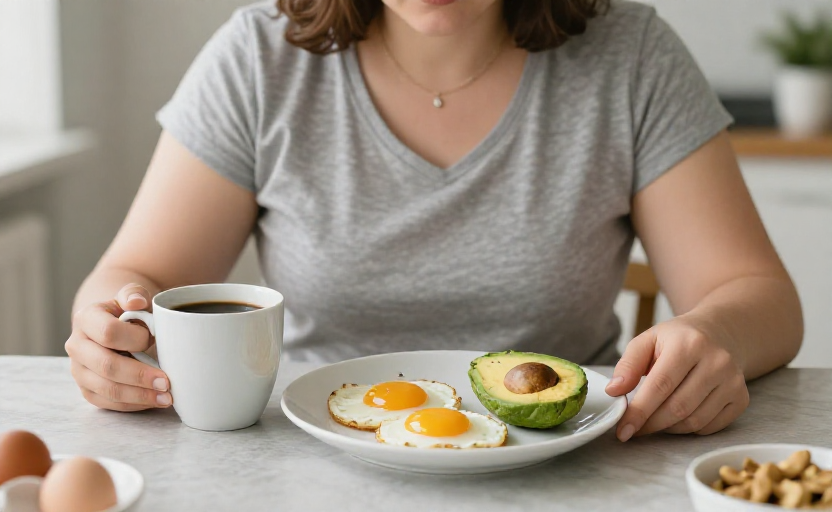
If there’s one habit to consistently prioritize, it’s a protein-rich breakfast. In a clinical trial involving women with PCOS, a high-protein breakfast—containing about 25–30 grams of protein—significantly reduced post-meal glucose and insulin spikes compared to a high-carbohydrate breakfast. That one meal change can stabilize energy, curb cravings later in the day, and send a clearer signal to your cells about how to handle glucose.
Practical Adjustments
- Eat within a 10- to 12-hour window rather than grazing all day.
- Keep evening lights low—dim lamps are better than overhead fixtures—and avoid screens at least 30 minutes before bed.
- Have your coffee after breakfast, not before.
- Schedule intense workouts earlier in the day.
These aren't dramatic overhauls. They're small shifts in rhythm and timing. But for a body with PCOS, where insulin sensitivity is already under stress, the daily pattern of when and how you eat, sleep, and move can make a real difference. The most disruptive habit isn't always the obvious one—it's often the one you do every day without thinking.