You’ve organized your to-do list, sipped your calming tea, and taken a few deep breaths. Yet, a low hum of tension still sits in your shoulders and neck. The culprit might not be your workload, but the shape you take while doing it. For many of us, a deeply ingrained daily desk habit is silently amplifying our stress response, turning a focused work session into a physiological storm.
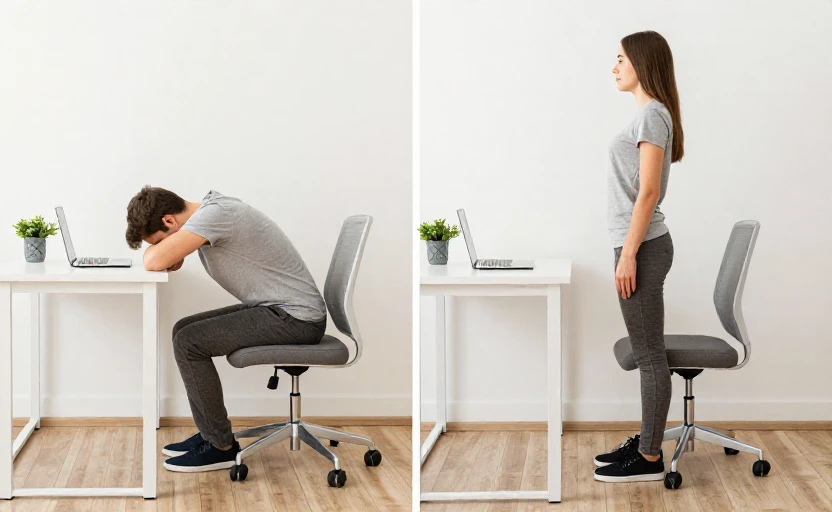
This habit is poor posture—specifically, the forward head position and rounded shoulders that become our default after hours at a screen. It’s not just an ache; it’s a direct line to your nervous system. When you crane your neck forward or hunch your shoulders, you’re physically mimicking a defensive, threatened posture. Your body reads this shape as a signal of danger, triggering a cascade of stress hormones like cortisol, tightening muscles meant for ‘fight or flight,’ and shallowening your breath. You’re essentially telling your body to stay on high alert, all while just trying to get through your inbox.
Why Your Posture Is a Stress Switch
Think of your posture as a dial for your nervous system. An upright, open posture signals safety and control to the brain. A collapsed, closed-off posture signals threat. The connection is both neurological and mechanical.
When you slump, you physically compress your diaphragm, the major muscle responsible for deep, calming breaths. This forces you into shallow chest breathing, which is associated with the sympathetic nervous system—your ‘gas pedal’ for stress. Conversely, deep belly breathing, which is easiest in an upright position, activates the parasympathetic nervous system, your ‘brake’ for relaxation.
Furthermore, the forward head posture—where your ears drift ahead of your shoulders—places immense strain on the muscles at the base of your skull and along your neck. These muscles are rich with proprioceptors, sensory neurons that tell your brain where your body is in space. Chronic tension here can send a constant stream of ‘something is wrong’ signals to your brain, maintaining a background level of anxiety.
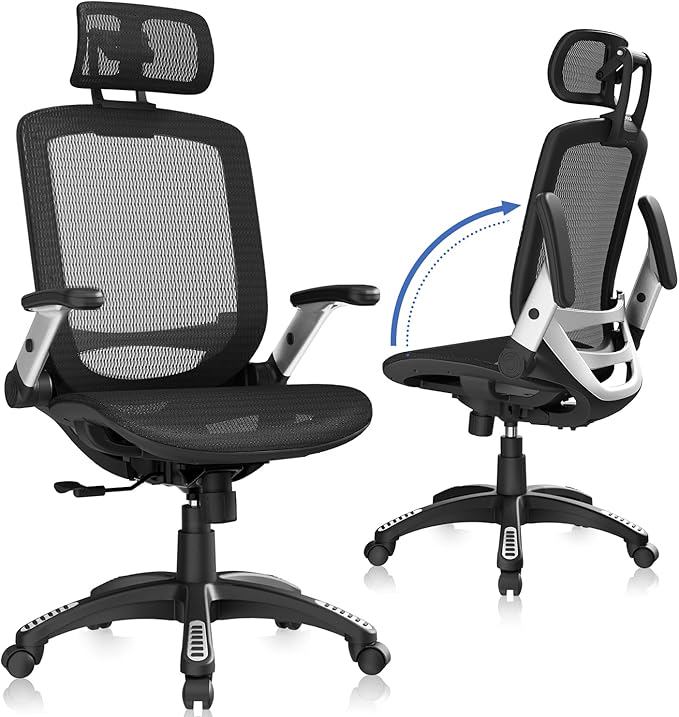
Your desk chair isn't just furniture; it's the setting where your body learns its daily story of stress or ease.
Recognizing the Signs Beyond Discomfort
You might notice the tight neck first. But the stress-posture cycle manifests in subtler ways too. Do you find yourself sighing frequently or holding your breath while concentrating? That’s often a sign of restricted diaphragm movement. Do you get afternoon headaches, often starting at the base of your skull? That’s a classic sign of postural strain. Even brain fog and fatigue can be exacerbated by the inefficient breathing and increased muscular effort that comes with slouching.
It’s a two-way street: stress makes us hunch, and hunching makes us feel more stressed. Breaking this loop requires conscious, gentle intervention.
How to Reset Your Desk Posture for Calm
Fixing this isn’t about sitting rigidly at attention all day. It’s about creating a supportive environment and introducing small, frequent resets that teach your body a new, more neutral default.
1. Optimize Your Workspace Setup
Your environment should do some of the work for you. Set your monitor so the top of the screen is at or slightly below eye level. This allows you to view the middle of the screen with a gentle downward gaze, not a neck bend. Your keyboard and mouse should be close enough that your elbows can stay near your body, forming an angle between 90 and 120 degrees. Your feet should rest flat on the floor or a footrest.
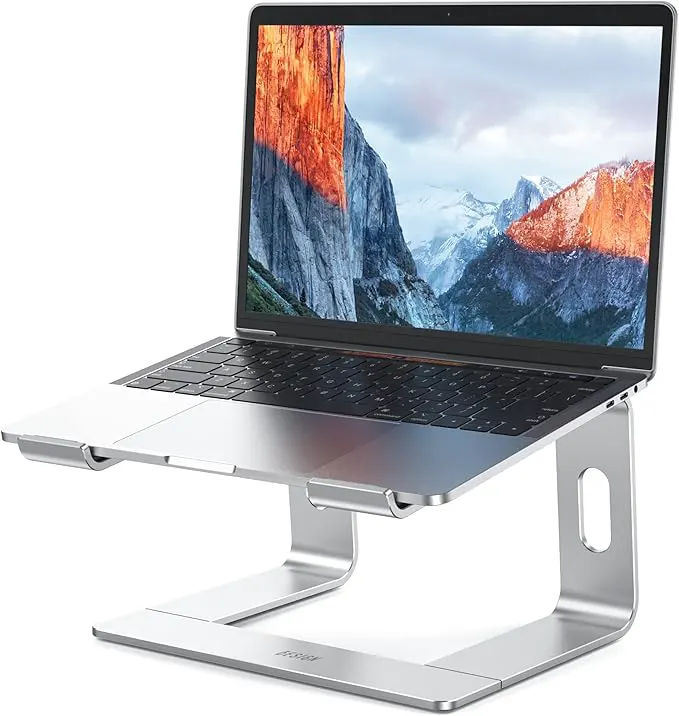
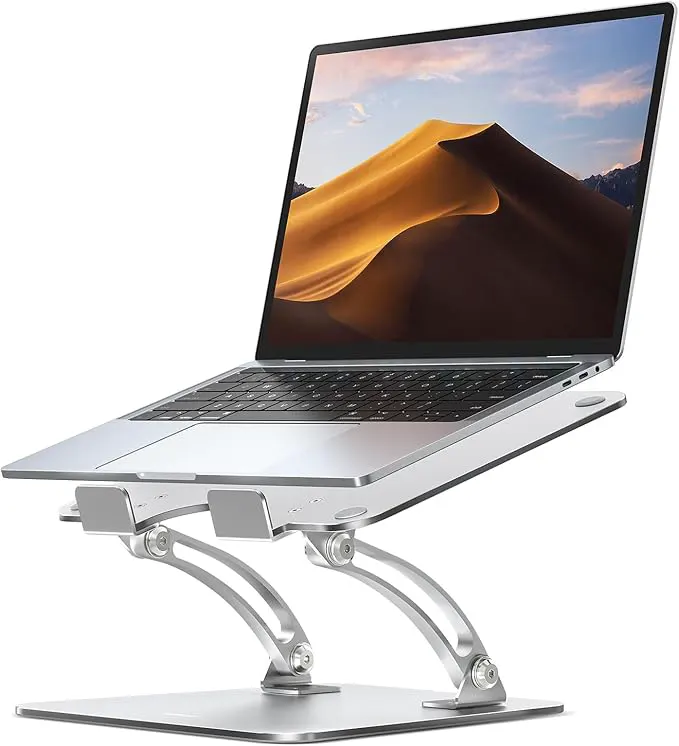
If you use a laptop, consider a stand and a separate keyboard and mouse. This single change can be transformative.
2. Practice the “Ear-Over-Shoulder” Check
Several times an hour, pause for a five-second reset. Gently draw your head back, as if making a double chin, until you feel your ears align roughly over your shoulders. Simultaneously, let your shoulder blades slide down your back. Don’t force it or pinch them together—just let them relax downward. Take one full, slow breath in this adjusted position. This isn’t about perfect posture; it’s about interrupting the forward creep.
3. Integrate Breath and Movement Breaks
Set a gentle timer for every 30-45 minutes. When it goes off, stand up. Don’t just sit differently—move. Do two or three of these simple movements:
- Thoracic Extension: Interlace your fingers behind your head, gently open your elbows, and lean back over your chair to arch your upper back slightly.
- Chin Tucks: Sitting tall, gently nod your head, drawing your chin straight back toward your spine. Hold for 3 seconds, release. Repeat 5 times.
- Supported Breath: Sit upright, place one hand on your chest and the other on your belly. Inhale slowly through your nose, feeling your belly push into your hand. Exhale fully. Do this for 3-5 breaths.
These micro-breaks reset both your skeletal position and your nervous system.
Cultivating a Posture of Ease, Not Effort
The goal is sustainable change, not perfection. You will slouch. The key is to notice it sooner and correct it more kindly. Think of it as nurturing a sense of vertical spaciousness in your body—creating room for your lungs to expand and your nerves to settle.
Over time, maintaining a more neutral alignment becomes less of a chore and more of a felt sense of support. You may find that your concentration improves alongside your calm, simply because your body isn’t busy managing a phantom threat. By addressing this daily desk habit, you’re not just caring for your back; you’re actively dialing down your body’s stress response, turning your workspace into a place of focused productivity rather than hidden tension.