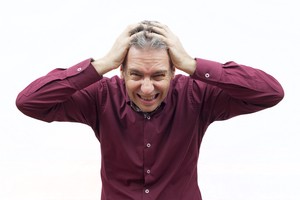

It hits like a wave. Your chest tightens, your thoughts race, and suddenly your heart is pounding for no obvious reason. For many people, this happens in the afternoon — between 2 and 4 p.m. — and they assume it is just stress catching up with them. But a less obvious trigger could be at play: blood sugar fluctuations that mimic the physical symptoms of panic.
An afternoon crash in blood glucose can activate the body's stress response, releasing adrenaline and cortisol. That surge can produce shakiness, a racing heart, sweating, irritability, and a sense of dread — symptoms nearly identical to a panic episode. If you haven't considered your last meal or snack as a factor, you are not alone. Most people look first to emotional or psychological causes, but the body's fuel supply can be just as influential.
Why the afternoon is a vulnerable time
By midday, the effects of breakfast have worn off, and lunch choices can set the stage for a sharp drop in blood sugar a few hours later. Meals that are high in refined carbohydrates — white bread, sugary drinks, pasta, or dessert — cause a rapid spike in glucose followed by an insulin surge that drives blood sugar down too far. That dip, known as reactive hypoglycemia, can feel like a panic attack. Even people without diabetes can experience this.
When blood sugar falls, the brain perceives a threat. It signals the adrenal glands to release epinephrine (adrenaline) to mobilize stored glucose. That emergency signal triggers symptoms including trembling, rapid heartbeat, difficulty catching your breath, and a feeling of being overwhelmed. It is easy to interpret these sensations as anxiety or the start of a panic attack, especially if you are already prone to worry.
Recognizing the difference between panic and blood sugar drops
Because the physical symptoms overlap so much, it can be hard to separate a blood sugar-related episode from a purely psychological one. A few clues may help. Blood sugar drops often come on a few hours after a meal, improve within 15–20 minutes of eating a small amount of complex carbohydrates or protein, and may be accompanied by a headache, blurred vision, or unusual fatigue. Panic attacks, on the other hand, can arise at any time, are often tied to specific triggers or suppressed emotions, and may not respond as quickly to food.
Quick check: If eating a handful of almonds or a piece of fruit with peanut butter calms your symptoms within 15 minutes, your body may have been reacting to low blood sugar — not an emotional trigger.
The loop between blood sugar and stress hormones
The body does not draw clean lines between physical and emotional stress. A blood sugar drop triggers the release of cortisol, the same hormone that ramps up during psychological stress. Over time, frequent dips can keep your stress-response system on high alert. This can make you more sensitive to everyday pressures and more likely to experience afternoon episodes of anxiety that feel out of your control.
Conversely, chronic stress and poor sleep can disrupt the hormones that regulate blood sugar, creating a vicious cycle. The more often your blood glucose swings, the more likely you are to feel anxious; the more anxious you feel, the harder it is to make steady food choices or get restorative rest.
Practical ways to stabilize blood sugar and reduce afternoon anxiety
Shifting from reactive to preventive habits can interrupt the pattern. These adjustments are simple, backed by a solid understanding of how metabolism interacts with mood, and do not require a major overhaul of your lifestyle.
- Eat a protein-rich breakfast and lunch. Protein slows the absorption of glucose, preventing the spike-and-crash cycle. Eggs, Greek yogurt, legumes, and lean meat are solid options.
- Include healthy fats and fiber. Avocado, nuts, seeds, olive oil, and vegetables further slow digestion and keep blood sugar steady for hours.
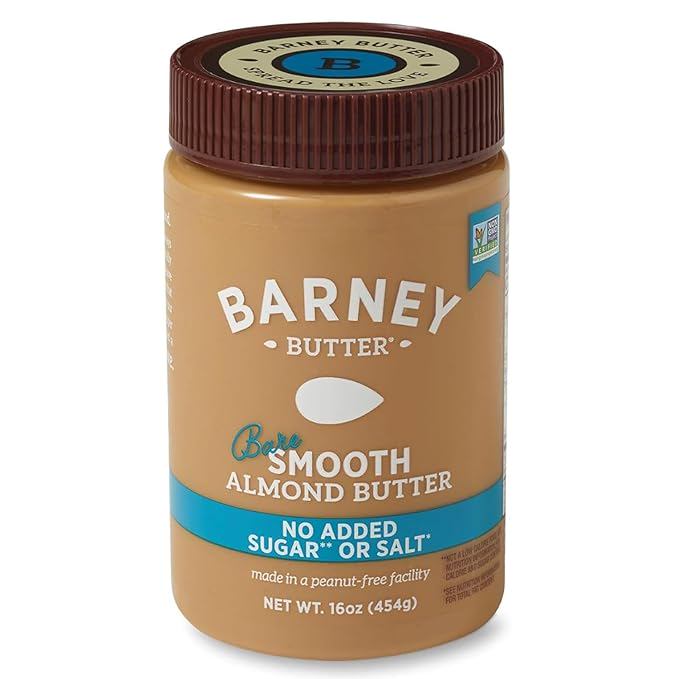
- Snack strategically. Around 2–3 p.m., have a small snack that combines protein or fat with carbohydrates — an apple with almond butter, a handful of walnuts with berries, or a hard-boiled egg with a few whole-grain crackers.
- Stay hydrated. Dehydration can mimic or worsen feelings of anxiety and make it harder for your body to regulate blood sugar. Aim to drink water steadily through the day.
- Move gently after meals. A short walk after lunch improves insulin sensitivity and helps your body manage glucose more smoothly.
When to look beyond food
While dietary adjustments can make a significant difference for many people, afternoon panic episodes may have multiple causes. Hormonal shifts (especially around the menstrual cycle or during perimenopause), caffeine sensitivity, dehydration, and underlying anxiety disorders can all contribute. If symptoms persist after you have balanced your meals and snacking pattern, it may be worth discussing them with a primary care provider, a registered dietitian, or a mental health professional. A blood sugar monitor or a simple glucose tolerance test can reveal patterns that are not obvious from symptoms alone.
Paying attention to the timing and context of your afternoon episodes gives you a powerful starting point. The panic you feel is real — but its origin may be a simple metabolic shift that you can address with thoughtful nutrition and daily habits.