
You blend your morning smoothie with good intentions—fruit, greens, maybe a scoop of protein powder. But one common ingredient could be quietly working against your mood, especially if you struggle with social anxiety.
Emerging research suggests that caffeine, a standard addition to many breakfast smoothies (via coffee, matcha, or even chocolate-based powders), may amplify anxiety symptoms in people who are sensitive to its effects. For those already prone to social anxiety, the link is worth examining.
How caffeine interacts with anxiety
Caffeine is a stimulant that blocks adenosine receptors in the brain, which keeps you feeling alert. For some people, that boost feels productive. For others, particularly those with generalized anxiety or social anxiety disorder, the same mechanism can trigger a nervous system response that mimics or worsens anxiety.
A review published in General Hospital Psychiatry found that caffeine consumption is associated with increased anxiety symptoms in susceptible individuals. The physical sensations—racing heart, jitteriness, sweaty palms—can be misinterpreted by the brain as signs of danger, fueling the cycle of social worry.
Why morning smoothies are a hidden source
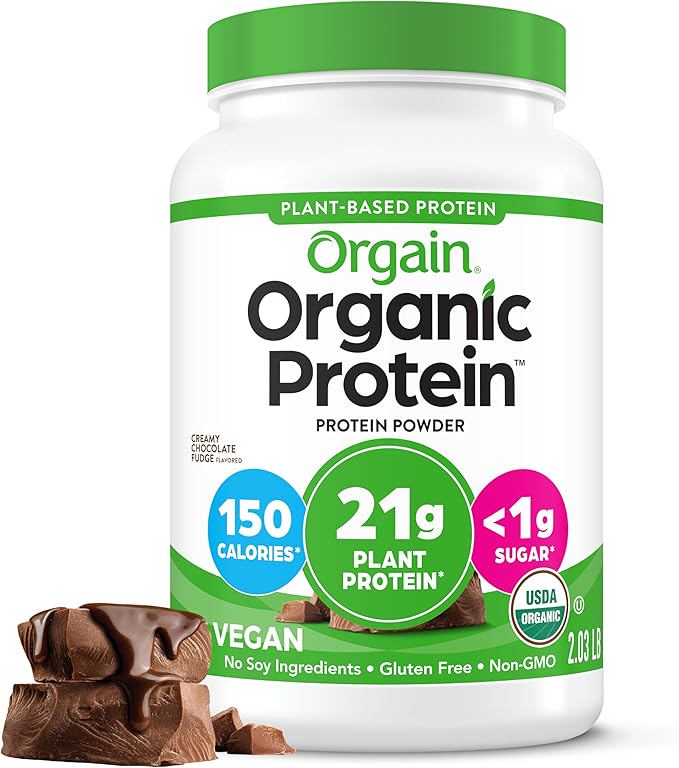
Breakfast smoothies often fly under the radar as a caffeine vehicle. A single cup of brewed coffee added to your smoothie delivers roughly 95 mg of caffeine. Matcha powder, another trendy add-in, provides around 70 mg per teaspoon. Even chocolate protein powders or cocoa nibs bring a small but meaningful amount.
When you consume caffeine on an empty stomach—which is common with a liquid breakfast—the absorption is faster, leading to a sharper spike in blood levels. This rapid onset can heighten feelings of nervousness, especially in social settings that already demand emotional regulation.
Signs caffeine may be affecting your social anxiety
- Feeling your heart race before a meeting or social gathering shortly after your morning drink.
- Noticing increased sweating or trembling in social situations that you don't experience later in the day.
- Feeling irritable or on edge after your morning smoothie, even in calm environments.
What the research says about caffeine and social anxiety
Several studies have examined the caffeine-anxiety link. One study from the Journal of Anxiety Disorders observed that individuals with panic disorder and social anxiety disorder showed greater increases in anxiety after caffeine ingestion compared to controls. The authors noted that caffeine's anxiogenic effects may be especially pronounced in people with pre-existing vulnerabilities.
If you have social anxiety, consider whether your morning smoothie contains a caffeine source. Even small amounts can make a difference.
Practical adjustments to try
If you suspect caffeine might be contributing to your social anxiety, you don't need to abandon smoothies entirely. Try these swaps:
- Replace coffee with decaf or herbal alternatives. Chicory root, roasted barley, or carob can mimic coffee's flavor without the stimulant.
- Use caffeine-free protein powders. Many plant-based or grass-fed whey proteins are unflavored and caffeine-free.
- Reduce matcha or cocoa quantities. Cutting the amount in half can still provide flavor with less impact.
- Add a complex carbohydrate. Oats, banana, or ground flaxseed can slow caffeine absorption and blunt the spike.
Other breakfast foods to watch
Caffeine isn't the only hidden trigger in breakfast meals. High-sugar smoothies (from sweetened yogurt, fruit juice, or syrups) can cause rapid blood sugar fluctuations that mimic anxiety symptoms. A crash after a sugar spike can leave you feeling shaky, irritable, or fatigued—all of which can worsen social discomfort.
Paying attention to how you feel 30 to 60 minutes after your morning meal can offer clues. If you notice a pattern of heightened anxiety in social situations following your smoothie, adjusting the ingredients is a low-risk experiment worth trying.
Small changes to your breakfast routine won't replace professional help for social anxiety, but they can remove one manageable trigger from the equation. For many, that's a meaningful step toward feeling calmer in daily interactions.