Most of us know that reaching for a drink after a hard day isn't the healthiest coping mechanism. But what about the morning after? Or, more specifically, what about that cup of coffee you grab first thing to shake off the fog? The truth is, the way you start your day—particularly what you put in your body on an empty stomach—can quietly amplify feelings of existential dread and anxiety, even if you don't realize it.
Let's be clear: I'm not talking about a glass of wine with dinner or a social beer. I'm talking about a specific morning habit that millions of people use to 'wake up' or 'calm down,' and it might be backfiring in a big way. The source material we reviewed points directly at alcohol as a coping mechanism for anxiety, but the real, everyday trigger for many people is something far more common: the habit of starting the day with caffeine on an empty stomach.
How your morning coffee could be fueling your anxiety
Caffeine is a stimulant. It works by blocking adenosine, a neurotransmitter that makes you feel tired. That's why it helps you feel more alert. But for someone prone to anxiety or those nagging feelings of dread and unease, caffeine can act like pouring gasoline on a small fire. When you consume it first thing in the morning, before you've eaten anything, your body absorbs it rapidly. This can lead to a spike in cortisol (your stress hormone) and adrenaline, which can mimic or worsen the physical symptoms of anxiety—a racing heart, jitteriness, and that sense of impending doom.
This is often called 'caffeine-induced anxiety disorder' in clinical settings. While it's not a formal diagnosis for everyone, the overlap with existential dread is real. You might not be worried about a specific thing, but your body is in a state of high alert. That physical feeling can be misinterpreted by your brain as a psychological threat, leading to more ruminating, more worrying, and a deeper sense of unease about life in general.
The connection between caffeine and existential dread
Existential dread isn't just being anxious about a meeting or a test. It's that deeper, more profound feeling of unease about the meaning of life, death, freedom, and isolation. It's a philosophical weight. While caffeine doesn't create these thoughts, it can make you more sensitive to them. When your nervous system is already revved up by caffeine, you have less capacity to handle the big, heavy questions. A simple passing thought about the future can spiral into a full-blown panic because your body is already primed for 'fight or flight'.
Why alcohol is a false savior for these feelings
The source material rightly highlights that turning to alcohol to 'drown' your sorrows is a dangerous cycle. Alcohol is a depressant that initially provides a sedative effect, making you feel relaxed. But as the body metabolizes it, the rebound effect can be brutal. You might wake up in the middle of the night with a racing heart and a feeling of pure dread. This is often called 'hangxiety' (hangover anxiety). It's not just a physical hangover; it's a psychological one.
Using alcohol to calm existential anxiety is like using a fire extinguisher full of gasoline—it feels effective for a moment, but then it makes everything burn hotter.
Alcohol disrupts your sleep architecture, particularly the REM stage, which is crucial for emotional processing. When you don't process your emotions properly, underlying feelings of dread and worry don't get resolved; they get stored and amplified. This creates a vicious cycle: you drink to escape the dread, the dread gets worse, so you drink more.
A better breakfast habit for a calmer mind
So, what should you do instead? The answer isn't just 'stop drinking coffee' or 'stop drinking alcohol.' It's about being strategic with your morning routine. Here are a few practical, research-backed shifts that can help calm existential dread instead of fueling it:
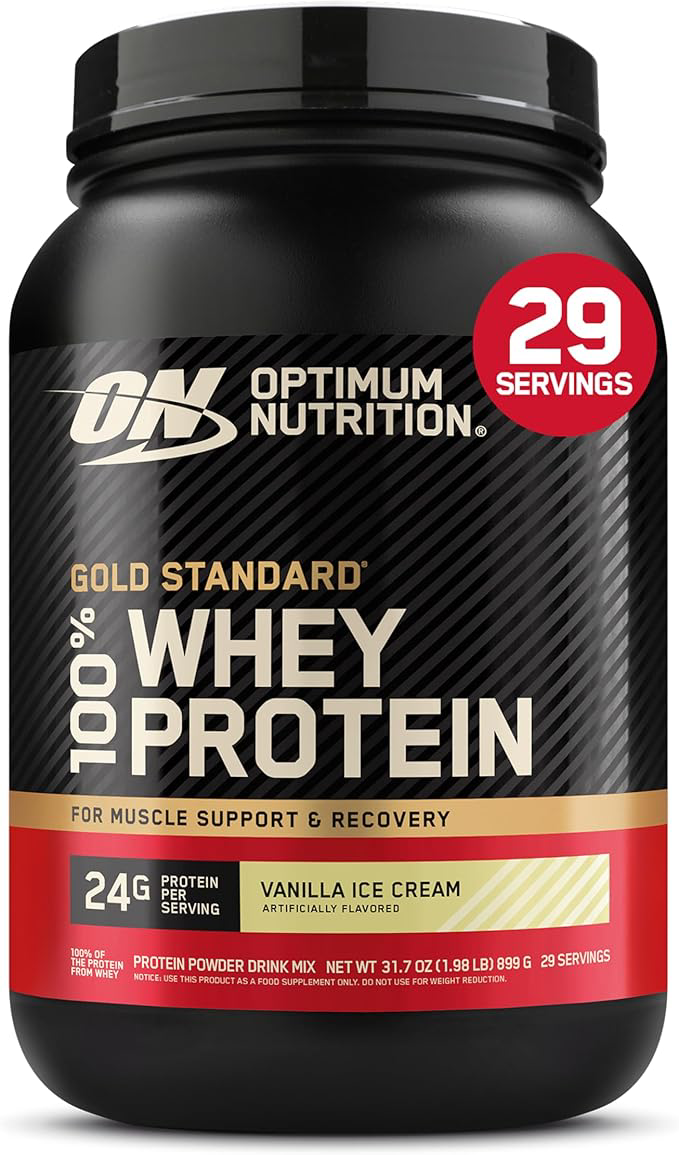
- Eat protein with your first cup of coffee. If you must have caffeine, don't have it on an empty stomach. Have a breakfast that includes eggs, yogurt, or a protein shake first. Protein helps stabilize blood sugar, which has a direct calming effect on the nervous system.
- Switch to lower-caffeine options. Consider matcha, green tea, or a half-caff coffee in the morning. They provide a more stable energy lift without the sharp spike and crash that can trigger anxiety.
- Hydrate with water first. Dehydration is a major physical stressor that amplifies anxiety. Drink a full glass of water before you have your coffee.
- Replace the 'wind down' drink with a 'wind down' ritual. Instead of relying on alcohol to ease evening existential dread, try a warm bath, reading fiction, or a short meditation. These activities actually reduce cortisol, while alcohol only postpones it.
Breaking the cycle is about awareness, not perfection
The goal here isn't to demonize caffeine or alcohol completely. It's to recognize that these are powerful substances that interact with your brain chemistry in ways you might not expect. If you find yourself waking up with a sense of dread, reaching for coffee, then feeling more on edge, or if you're using alcohol nightly to 'turn off your brain,' you have the power to change the script. Small tweaks to your first meal of the day can have a profound impact on your baseline anxiety and your capacity to handle the big, philosophical questions of life without panic.
Your body and mind are connected. What you absorb in the morning sets the tone for your entire nervous system. Choose habits that soothe, not stimulate, your underlying dread.