Your midday meal can do more than just refuel your energy. For those focused on thyroid health and a steady metabolism, lunch is a strategic opportunity to support how your body functions for the rest of the day. Dietitians who specialize in endocrine health know that the right balance of nutrients at lunch can help regulate hormone production, stabilize blood sugar, and prevent the sluggishness that often derails a healthy afternoon.
The goal is not a restrictive menu, but a reliable, nourishing framework. Here is the dietitian-approved lunch routine built to support your thyroid and your metabolism.
The Core Plate Formula
The most effective lunch for thyroid and metabolic health follows a simple template: lean protein paired with colorful vegetables, a modest portion of complex carbohydrates, and a small amount of healthy fat. This combination works by providing the building blocks for thyroid hormones (iodine, tyrosine, and selenium) while keeping your blood sugar stable—a key factor in preventing the insulin spikes that can slow metabolism and disrupt thyroid function.
Dietitians emphasize the protein portion because it directly supports satiety and thermogenesis, the process by which your body burns calories to digest food. Think grilled chicken, wild salmon, firm tofu, or lentils. Pair that with a generous serving of non-starchy vegetables like spinach, broccoli, or bell peppers, then add a fist-sized portion of a complex carbohydrate such as quinoa, sweet potato, or brown rice.
Dietitian's tip: If you are short on time, a well-built grain bowl or hearty salad with pre-cooked protein works just as well as a plated meal. The structure matters more than the presentation.
Don't Forget the Micronutrients
While the macronutrient balance is the foundation, specific micronutrients play a direct role in thyroid support. Selenium, found in Brazil nuts, tuna, and eggs, helps your body convert the thyroid hormone T4 into its active form, T3. Zinc, present in pumpkin seeds, chickpeas, and lean beef, is critical for thyroid hormone synthesis. And iodine, which you can get from seaweed, iodized salt, or cod, is the raw material your thyroid uses to make hormones.
You do not need to load up on supplements to get these nutrients. A lunch that includes a source of selenium (like one Brazil nut), a zinc-rich component (like a handful of chickpeas), and a moderate iodine source (like a piece of white fish) will cover your bases naturally.
A Sample Lunch That Hits Every Mark
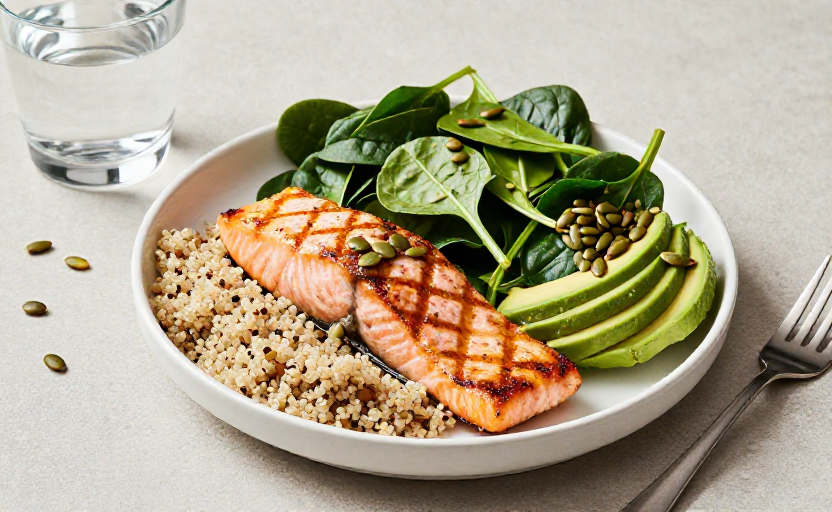
To make this practical, consider a spinach salad topped with grilled salmon (protein, selenium, iodine), quinoa (complex carb), avocado slices (healthy fat), and a sprinkle of pumpkin seeds (zinc). This single meal provides a broad range of thyroid-supporting nutrients alongside the macros that help your metabolism hum.
Timing and Portion Awareness
When you eat lunch matters almost as much as what you eat. Dietitians advise eating lunch at a consistent time each day—ideally between 12:00 p.m. and 1:30 p.m. Eating at a regular hour helps your body anticipate fuel and regulate the release of cortisol, the stress hormone that can interfere with thyroid function when levels stay elevated.
Portion size also plays a role. Eating too little at lunch can cause your blood sugar to crash, triggering cravings and a drop in metabolic rate. Eating too much—especially if the meal is carb-heavy—can cause a sharp rise in insulin, which may blunt thyroid signaling. The plate formula naturally prevents both extremes.
What to Avoid at Lunch
Certain lunch habits can work against your thyroid and metabolism. Dietitians recommend steering clear of meals that are highly processed, such as fast-food sandwiches or frozen meals, as they often contain high sodium and low fiber, which can increase inflammation and spike blood sugar. Excessive caffeine intake at lunch can also be problematic, as it may interfere with nutrient absorption, especially if you drink coffee or tea at the same time you are eating iron-rich foods like spinach or lentils.
Similarly, while soy gets a lot of attention for thyroid health, the evidence shows that moderate consumption (like a serving of edamame or tofu a few times a week) is generally safe for people with a functioning thyroid. The real issue is consuming enormous quantities of processed soy products combined with a low-iodine diet. For most people, the benefits of plant protein outweigh the theoretical risks.
Hydration Matters Too
Water intake is often overlooked in the lunch routine, but dehydration slows metabolism and can worsen fatigue in people with thyroid concerns. Aim to drink a glass of water with your meal, and consider starting your lunch with a small salad or vegetable soup, both of which contribute to hydration and help signal fullness without adding many calories.
When you build your lunch around the core plate formula, include a few targeted micronutrients, and eat it at a consistent time, you create a daily rhythm that supports your thyroid and keeps your metabolism operating efficiently. It is a simple, sustainable strategy that does not require fancy ingredients or extensive meal prep—just thoughtful choices.