
When your thyroid is out of balance, the number on the scale can feel like it has a mind of its own. Weight swings—whether stubborn gains that won’t budge or sudden losses that feel just as unsettling—are one of the most common frustrations for people managing thyroid conditions. While your healthcare team guides your medication and overall treatment, what you eat each day plays a powerful supporting role.
The goal isn’t a crash diet or a rigid meal plan. Instead, it’s about building a steady, nutrient-dense eating pattern that works with your metabolism, not against it. Here are three expert-backed diet tips to help calm thyroid-related weight swings and support your body’s natural rhythm.
1. Prioritize Protein at Every Meal
Protein is your ally when it comes to stabilizing blood sugar and supporting a healthy metabolism—two things that often go haywire with thyroid issues. When you eat enough protein, you help your body maintain lean muscle mass, which is critical because muscle burns more calories at rest than fat tissue does.
Aim to include a palm-sized portion of protein at breakfast, lunch, and dinner. Think eggs or Greek yogurt in the morning, grilled chicken or tofu at lunch, and fish or legumes at dinner. Spreading protein throughout the day can also prevent the energy crashes that lead to cravings for sugary, processed snacks.
A Quick Note on Selenium and Zinc
Two minerals directly involved in thyroid hormone production are selenium and zinc. You can get selenium from just a couple of Brazil nuts per day, or from tuna, sardines, and eggs. Zinc is abundant in oysters, beef, pumpkin seeds, and chickpeas. Including these in your protein sources gives you an extra thyroid-friendly boost.
2. Focus on Fiber from Whole Foods
Constipation and sluggish digestion often accompany thyroid imbalances. Fiber helps regulate digestion and also slows the absorption of sugar into your bloodstream, preventing insulin spikes that can contribute to weight gain.
But here’s the catch: if you take thyroid medication, timing matters. Fiber supplements and high-fiber foods like bran cereals can interfere with how well your body absorbs your medication. Take your thyroid medication on an empty stomach, and wait at least 30–60 minutes before eating a high-fiber meal. After that window, go ahead and enjoy oats, chia seeds, lentils, apples, and leafy greens.
Aim for 25–30 grams of fiber per day from whole foods rather than processed “fiber bars.” Your body will thank you for the steady release of energy and the gut-friendly prebiotics that come with real produce and whole grains.
3. Balance Your Plate for Blood Sugar Stability
Weight swings are often amplified by blood sugar roller coasters. When your thyroid is underactive, your metabolism slows, and your body may become more prone to insulin resistance. That means meals that spike your blood sugar can lead to more fat storage, especially around the midsection.
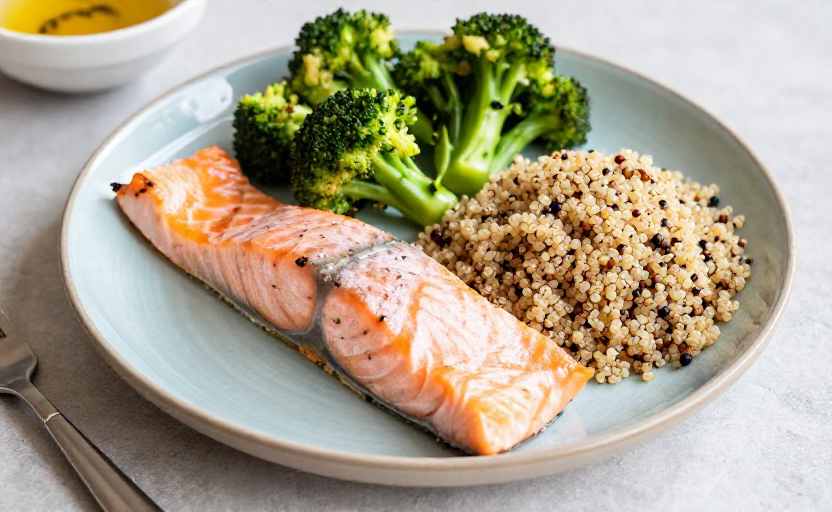
The plate method works well here: fill half your plate with non-starchy vegetables (broccoli, spinach, bell peppers), a quarter with lean protein, and a quarter with complex carbohydrates like sweet potato, quinoa, or brown rice. Add a small amount of healthy fat—avocado, olive oil, or nuts—to keep you satiated and support hormone production.
“A balanced plate isn’t about perfection; it’s about consistency. Small, repeated choices add up to real change over weeks and months.”
This approach naturally limits processed foods and added sugars, which are the biggest culprits behind inflammation and weight fluctuations. When you do crave something sweet, pair it with protein or fat—like an apple with almond butter—to soften the blood sugar impact.
Putting It All Together: A Sample Day
- Breakfast: Scrambled eggs with spinach and a side of sliced avocado
- Lunch: Grilled chicken salad with mixed greens, cherry tomatoes, cucumbers, chickpeas, and a lemon-tahini dressing
- Snack: A handful of walnuts and an apple
- Dinner: Baked salmon with roasted broccoli and quinoa
This day hits protein, fiber, healthy fats, and complex carbs without any rigid rules. Adjust portions to your hunger and activity level, and always consult your doctor before making significant changes—especially if you have other health conditions or take medications beyond thyroid hormone replacement.
Remember, weight is just one data point in your thyroid health picture. Energy levels, mood, digestion, and body temperature also matter. The right diet helps you feel better, not just weigh less. Be patient with your body—steady, nourishing habits are the foundation for long-term balance.