When you think about heart health, you probably focus on arteries, blood pressure, and cholesterol. But there's a smaller, more intricate part of the cardiovascular system that deserves just as much attention: your heart valves. These delicate flaps of tissue open and close with every heartbeat, directing blood flow in the right direction. Over time, wear and tear, inflammation, and calcium buildup can stiffen or damage them, leading to conditions like valve stenosis or regurgitation.
The good news? What you eat can directly influence how well your valves work. A diet that reduces systemic inflammation, supports healthy blood pressure, and provides key nutrients like magnesium and omega-3s can help protect valve tissue. Below are seven foods that cardiologists often highlight for supporting heart valve health.
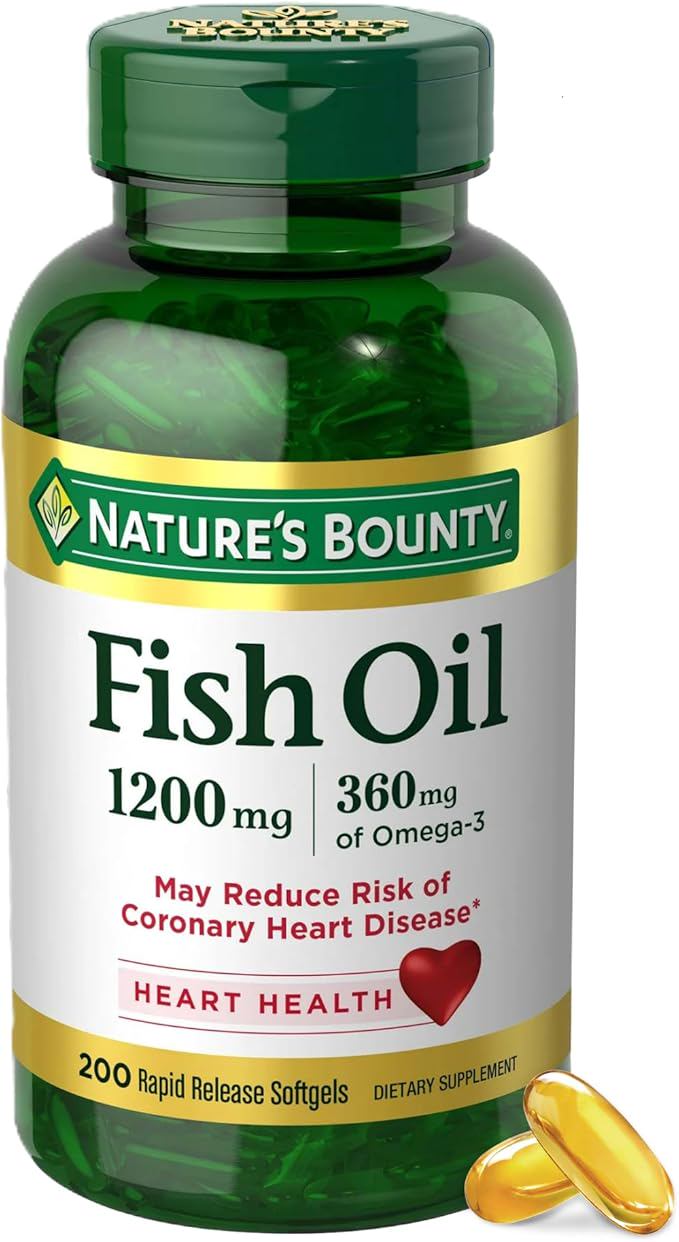
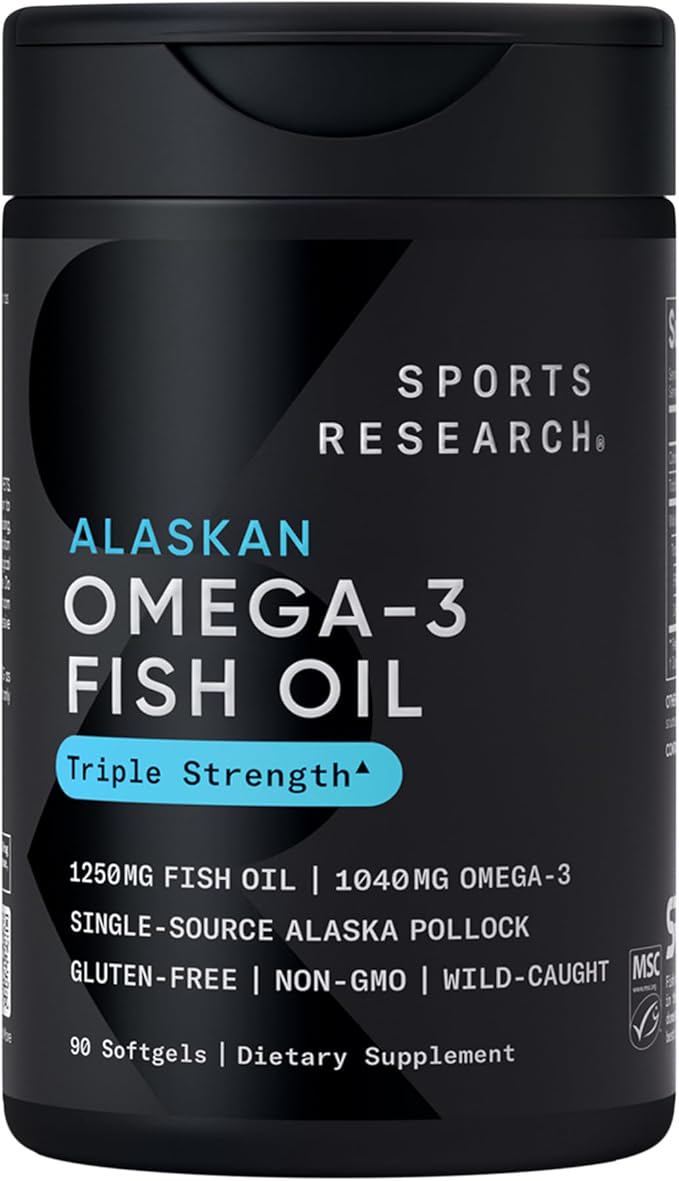
1. Fatty fish for omega-3s and reduced inflammation
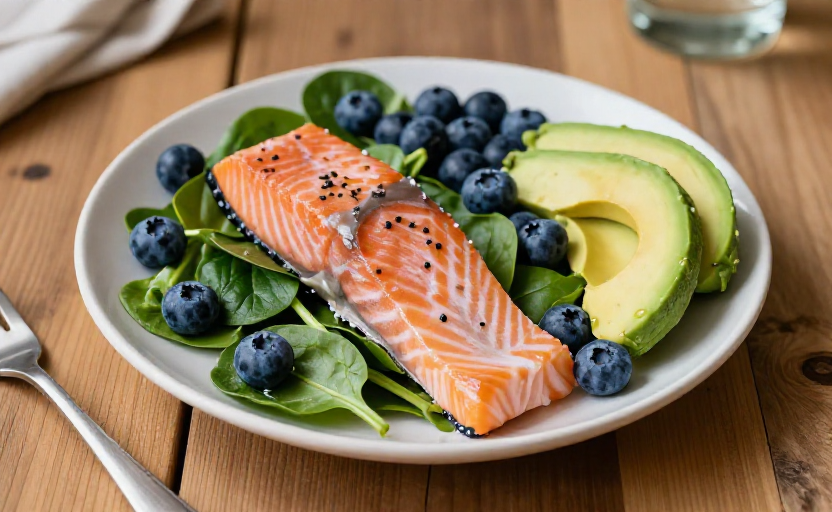
Salmon, mackerel, sardines, and trout are rich in eicosapentaenoic acid (EPA) and docosahexaenoic acid (DHA), two types of omega-3 fatty acids. These fats help calm the chronic low-grade inflammation that can stiffen valve leaflets over time. A 2021 study in Nutrients found that higher omega-3 intake was associated with slower progression of aortic valve stenosis. Aim for two servings of fatty fish per week — no need for supplements unless your doctor advises them.
2. Leafy greens for vitamin K and calcium regulation
Spinach, kale, Swiss chard, and collard greens deliver vitamin K, which helps activate proteins that prevent calcium from depositing in the wrong places — like your heart valves. When calcium builds up on the aortic valve, it can restrict blood flow. A diet rich in vitamin K from greens may help keep calcium where it belongs: in your bones. Pair these greens with a source of healthy fat (like olive oil) to improve absorption.
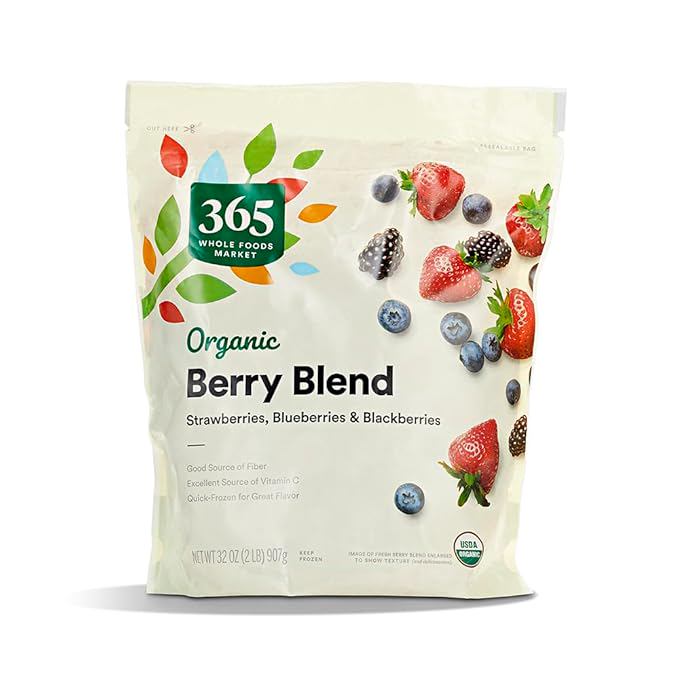
3. Berries for polyphenols that protect valve tissue
Blueberries, strawberries, raspberries, and blackberries are packed with anthocyanins — plant compounds that fight oxidative stress. Oxidative stress damages the endothelial cells that line your heart and valves, making them more prone to scarring and stiffness. Eating a handful of berries daily is a simple, sweet way to support the structural integrity of your valve tissue.
4. Extra virgin olive oil for anti-inflammatory fats
Olive oil is a cornerstone of the Mediterranean diet, which has been repeatedly linked to better cardiovascular outcomes. The monounsaturated fats and oleocanthal (a natural anti-inflammatory compound) in high-quality extra virgin olive oil help reduce systemic inflammation. Use it as your primary cooking oil or drizzle it over vegetables and salads.
5. Nuts and seeds for magnesium and healthy fats
Almonds, walnuts, flaxseeds, and chia seeds provide magnesium, a mineral that helps regulate blood pressure and heart rhythm. Uncontrolled high blood pressure forces your heart valves to work harder, accelerating wear. Magnesium also supports the relaxation of blood vessels, easing the pressure load on your valves. A small handful of nuts or a tablespoon of ground flaxseed daily is an easy addition.
6. Beans and lentils for fiber and blood pressure control
Legumes are rich in soluble fiber, which helps lower LDL cholesterol and stabilize blood pressure. Lower blood pressure means less mechanical stress on your heart valves every time they open and close. Fiber also feeds beneficial gut bacteria that produce anti-inflammatory compounds. Swap processed snacks for a bean-based soup or lentil salad a few times a week.
7. Avocados for potassium and heart rhythm support
Avocados are one of the best food sources of potassium, a mineral that balances sodium and helps maintain healthy blood pressure. They also deliver healthy monounsaturated fats and folate. A 2022 observational study suggested that higher potassium intake was linked to lower risk of developing aortic valve calcification. Add half an avocado to your plate a few times per week.
Putting it all together: a valve-friendly plate
You don't need to eat every one of these foods every day. But aiming for a pattern that includes several of them — fatty fish twice a week, greens at most meals, berries as snacks, olive oil as your main fat, nuts, legumes, and avocado — gives your valves the nutrients they need. Pair this eating style with low sodium intake (under 1,500 mg per day if you have high blood pressure) and you're building a genuinely protective diet.
Quick reminder: Diet supports valve health, but it does not replace medical treatment. If you have a known valve condition (stenosis, regurgitation, prolapse, or bicuspid valve), work with your cardiologist on a comprehensive plan that includes medication, monitoring, and possibly surgery. Food is your ally, not your cure.