Recovering from a heart attack is a gradual process that involves many lifestyle adjustments, and what you drink each day can play a meaningful role in supporting your heart's healing. The right beverages can help manage blood pressure, reduce inflammation, and support healthy circulation—all critical factors during recovery. Meanwhile, a few common drinks can undermine your progress by spiking blood pressure, adding unnecessary sugar, or overtaxing your cardiovascular system.
Below we break down the best choices for hydration and heart support after a heart attack, along with two specific drinks that are best left on the shelf.
Why hydration matters after a heart attack
Proper hydration helps your heart pump blood more efficiently. When you are well-hydrated, your blood volume is stable, which means your heart doesn't have to work as hard to deliver oxygen and nutrients to your tissues. Dehydration, on the other hand, can thicken the blood and raise heart rate, adding unnecessary strain to a recovering heart. But not all fluids are created equal—some offer extra benefits, while others can do harm.
The best beverages for recovery
Water — the foundation of recovery
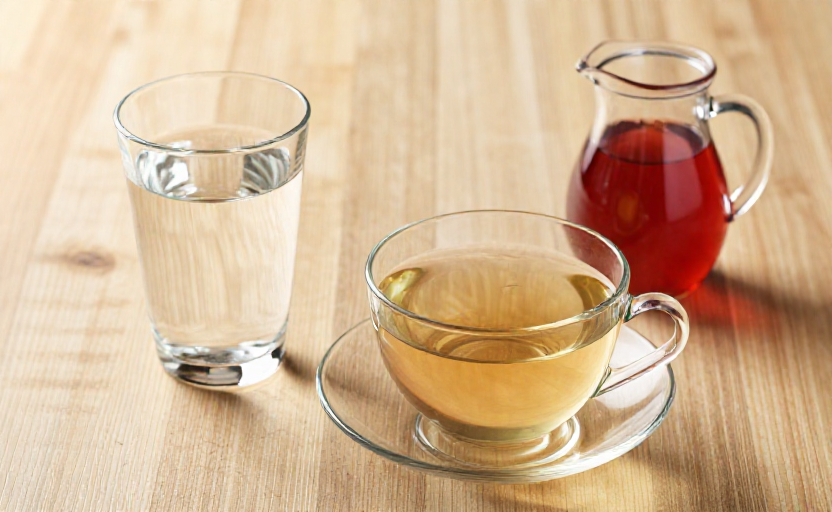
Plain, clean water is the single best choice for almost everyone recovering from a heart attack. It is calorie-free, sugar-free, and readily available. Staying adequately hydrated—roughly 8 to 10 cups per day for most adults, though individual needs vary—helps maintain healthy blood volume and supports kidney function, which is especially important if you are taking medications that affect fluid balance.
If plain water feels boring, try infusing it with a slice of lemon, cucumber, or a few mint leaves. Avoid flavored “enhanced” waters that contain added sugars or artificial sweeteners, as these can trigger blood sugar spikes or unwanted metabolic effects.
Unsweetened green tea
Green tea is rich in catechins, a type of antioxidant that may help improve blood vessel function and reduce inflammation. Several observational studies have linked regular green tea consumption with lower rates of cardiovascular disease and improved recovery outcomes. Aim for 1–2 cups per day, brewed fresh, without added sugar or honey. If you are sensitive to caffeine, opt for decaffeinated green tea, which still retains many of the beneficial polyphenols.
Low-fat or skim milk
Milk provides calcium, vitamin D, and high-quality protein—nutrients that support overall health and muscle repair, including the heart muscle itself. Choosing low-fat or skim versions keeps saturated fat intake low, which aligns with standard heart-health dietary guidelines. A glass of milk with a meal or as a snack can also help you feel full and satisfied, reducing the temptation to reach for less healthy drinks.
Small amounts of pomegranate juice
Pomegranate juice is packed with antioxidants called punicalagins, which have been shown to help lower blood pressure and reduce oxidative stress. However, it is also concentrated in natural sugars and can be high in calories. The key is moderation: stick to about 4 ounces (half a cup) of 100% pomegranate juice per day, preferably diluted with water or seltzer. Avoid “juice cocktails” that add sugar or other juices.
A quick tip: Always check the label. The healthiest juice is 100% fruit juice with no added sugars or syrups, and even then, keep portions small.
Tomato or vegetable juice (low-sodium)
Low-sodium vegetable juices, especially tomato juice, can be a convenient way to increase your intake of potassium, which helps counteract sodium's effect on blood pressure. They also provide lycopene, an antioxidant linked to reduced cardiovascular risk. Be vigilant about the sodium content—look for “no salt added” or “low sodium” versions, as many standard vegetable juices pack more sodium than a bag of chips.
Two drinks to avoid (or strictly limit)
Sugary sodas and energy drinks
Regular soda and energy drinks are essentially liquid sugar. A single 12-ounce can of soda contains about 39 grams of added sugar—well above the American Heart Association's recommended daily limit for added sugars (36 grams for men, 25 grams for women). High sugar intake can lead to weight gain, insulin resistance, and increased triglycerides, all of which place extra strain on a healing heart. Energy drinks often contain caffeine plus even higher sugar loads, and some have additional stimulants that can raise heart rate and blood pressure unpredictably. It is best to avoid them entirely during recovery.
Alcohol
Alcohol can interfere with blood pressure control, weaken heart muscle over time, and interact with common post-heart-attack medications such as blood thinners and beta-blockers. The American Heart Association recommends that people who have had a heart attack should avoid alcohol or consume it only in very limited amounts (no more than one drink per day for women, two for men, and only after checking with their healthcare provider). For many recovering patients, the safest choice is to skip alcohol altogether. If you do drink, choose red wine in strict moderation—it contains resveratrol, which some studies link to heart benefits—but never start drinking for health reasons.
Putting it all together
Your daily beverage routine during heart attack recovery doesn't need to be complicated. Prioritize water as your mainstay, and add in unsweetened green tea, low-fat milk, and small servings of 100% fruit or vegetable juice for variety and extra nutrients. Steer clear of sugary sodas, energy drinks, and alcohol, which can sabotage your recovery. As with any dietary change, talk to your cardiologist or a registered dietitian to tailor these suggestions to your specific medications and health status.