Choosing a cooking oil can feel like navigating a supermarket aisle of confusing claims. For heart health, the decision carries extra weight. The right oil can be a simple, powerful tool for supporting healthy cholesterol levels, while the wrong choice might quietly work against your goals. Let’s clear the smoke point and look at what dietitians consistently recommend—and suggest limiting—based on the latest science.
The conversation isn’t about finding one “perfect” oil, but understanding the fatty acid profile: the balance of saturated, monounsaturated, and polyunsaturated fats. This balance, more than any marketing term, determines how an oil affects your heart. It also dictates how you should use it in your kitchen.
What makes a cooking oil “heart-healthy”?
Think of fats on a spectrum. On one end are saturated fats, which are typically solid at room temperature (like butter or coconut oil). Consuming high amounts of saturated fat can raise LDL (“bad”) cholesterol. On the other end are unsaturated fats—monounsaturated and polyunsaturated—which are liquid at room temperature and have a beneficial effect on cholesterol when they replace saturated fats in the diet.
A heart-smart oil is one that’s predominantly made up of these unsaturated fats. These fats help reduce LDL cholesterol while maintaining or even increasing HDL (“good”) cholesterol. Many also contain antioxidants and plant compounds that fight inflammation, adding another layer of cardiovascular protection.
The best oils for supporting healthy cholesterol
These oils earn top marks from nutrition professionals for their favorable fat profiles and versatility.
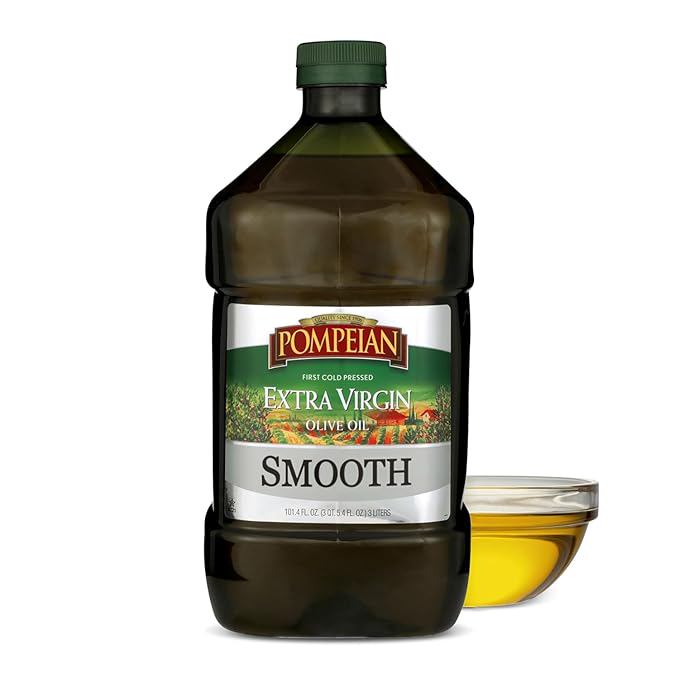
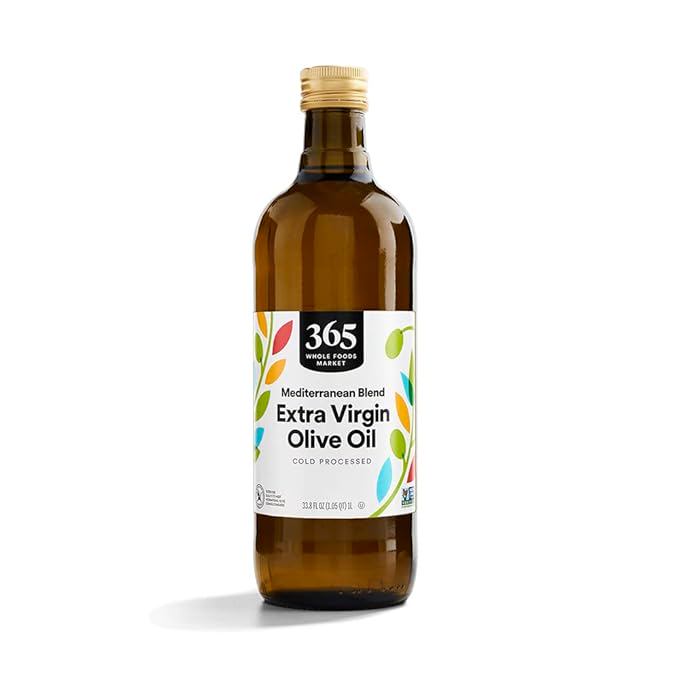
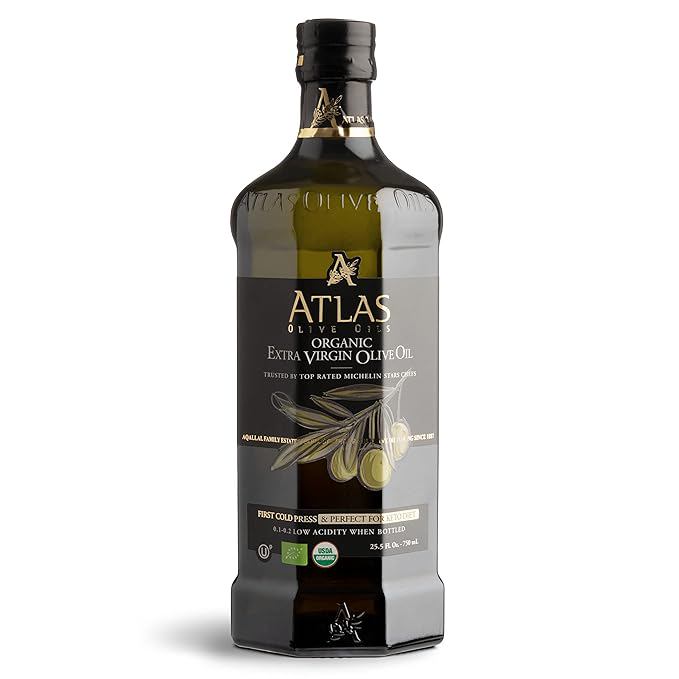
Extra virgin olive oil
The cornerstone of the Mediterranean diet, and for excellent reason. It’s rich in monounsaturated fats and packed with antioxidants called polyphenols. Research consistently links its use with improved cholesterol profiles and reduced heart disease risk. Its robust flavor is perfect for dressings, drizzling, and lower-heat sautéing.
For maximum health benefits and flavor, look for “extra virgin” on the label and a dark glass bottle to protect its delicate compounds.
Avocado oil
With a similar monounsaturated-rich profile to olive oil, avocado oil has a major practical advantage: a very high smoke point. This makes it exceptionally versatile, ideal for everything from high-heat searing and roasting to making mayonnaise. Its mild, buttery flavor won’t overpower other ingredients.
Canola oil
Often misunderstood, canola oil is actually one of the oils lowest in saturated fat. It has a good balance of monounsaturated fats and contains a plant-based omega-3 fatty acid (ALA). Its neutral taste and high smoke point make it a reliable, affordable all-purpose oil for baking, frying, and everyday cooking.
Walnut oil & flaxseed oil
These are specialty oils praised for their high content of ALA omega-3s. They are not for cooking, as heat easily damages their delicate fats. Instead, use them as finishing oils—drizzled over roasted vegetables, salads, or oatmeal. Their unique, nutty flavors are a bonus. Keep them refrigerated.
Cooking oils to use with caution
Moderation and context are key here. Some oils aren’t “bad,” but they come with caveats that make them less ideal as your primary, everyday choice for cholesterol management.
Coconut oil
This is perhaps the most debated oil. It’s about 90% saturated fat, which traditionally raises LDL cholesterol. Some proponents point to its unique medium-chain triglycerides (MCTs), but the primary fatty acid in common coconut oil is lauric acid, which behaves more like a long-chain saturated fat. Dietitians generally advise using it sparingly, for occasional flavor in specific recipes, not as a primary cooking fat.
Palm oil
Similar to coconut oil, palm oil is high in saturated fat. Its widespread use in processed foods (listed often as “palm kernel oil”) is a greater concern than occasional culinary use, as it can be a hidden source of saturated fat in snacks, spreads, and baked goods.
“Vegetable oil” blends
This generic term often masks a blend of oils, sometimes including partially hydrogenated oils (source of trans fats, which are unequivocally harmful for cholesterol). Even without trans fats, these blends are often high in refined omega-6 polyunsaturated fats (like soybean or corn oil). While not inherently unhealthy, an excessive imbalance of omega-6 to omega-3 fats may promote inflammation. It’s wiser to choose a specific, known oil.
How you use it matters as much as what you use
A bottle of extra virgin olive oil won’t perform miracles if it’s used incorrectly. Two practical factors are crucial: smoke point and storage.
Respect the smoke point. Heating an oil past its smoke point—when it starts to smoke and break down—not only creates harmful compounds and off-flavors but also destroys its beneficial antioxidants. Match the oil to the cooking method:
- High-heat (searing, frying, roasting >425°F): Avocado, refined olive oil, canola.
- Medium-heat (sautéing, baking, stir-fry): Extra virgin olive oil, regular olive oil.
- No heat (dressings, dips, drizzling): Extra virgin olive oil, walnut oil, flaxseed oil.
Store oils properly. Heat, light, and air cause oils to oxidize and go rancid, creating free radicals. Store oils in a cool, dark cupboard (not next to the stove) or, for very delicate oils like walnut or flaxseed, in the refrigerator. Dark glass bottles offer better protection than clear plastic.
A simple approach for your kitchen
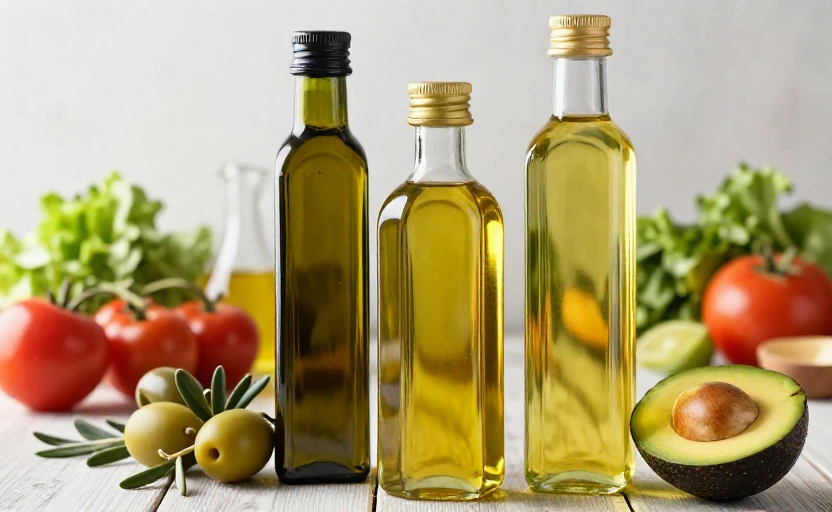
You don’t need a cabinet full of bottles. Most home cooks can cover all their bases with just two: a high-quality extra virgin olive oil for dressings and medium-heat cooking, and a high-smoke-point oil like avocado or canola for roasting and high-heat tasks. From there, you might add a flavorful finishing oil like walnut for special dishes.
The most impactful step you can take is to use these unsaturated-rich oils to replace solid fats like butter, lard, or shortening in your daily cooking. This simple swap is a proven strategy for a healthier cholesterol profile over time.
Remember, no single food—or oil—defines your heart health. It’s the overall pattern of your diet, rich in vegetables, fruits, whole grains, and lean proteins, cooked with mindful choices, that creates lasting benefit.