You know the feeling. It’s mid-afternoon, your energy is dipping, and a familiar sense of restlessness or low-grade worry starts to creep in. You might reach for a quick sugar hit or a caffeinated pick-me-up, only to find your mood and energy crashing harder an hour later. What if your snack choice could do the opposite? What if it could act as a gentle, stabilizing force for your nervous system?
The connection between what we eat and how we feel is profound, yet often overlooked in the hustle of the day. Strategic nutrition isn’t about a magic cure, but about providing your body and brain with the foundational building blocks they need to maintain equilibrium. Choosing an afternoon snack with intention can be a simple, powerful act of support for your mood and anxiety levels.
Why the Afternoon Slump Hits Your Mood
That 3 p.m. crash isn’t just in your head. Our natural circadian rhythms often dictate a dip in alertness in the early afternoon. Combine that with potential drops in blood sugar from lunch choices, the cumulative stress of the day, and perhaps mild dehydration, and you have a perfect storm for irritability, brain fog, and heightened anxiety.
When blood sugar plummets, your body releases stress hormones like cortisol and adrenaline to mobilize energy. For someone prone to anxiety, this physiological stress response can feel indistinguishable from the onset of a anxious episode—heart racing, jitteriness, difficulty concentrating. A well-chosen snack works to prevent this rollercoaster, offering a steady release of energy and specific nutrients that directly support calm and cognitive function.
The Building Blocks of a Mood-Stabilizing Snack
For a snack to truly support mood stability and reduce feelings of anxiety, it should combine a few key elements. Think of it as a formula for calm: complex carbohydrates, quality protein, healthy fats, and specific micronutrients.
Complex carbohydrates, like those in whole grains, oats, or sweet potatoes, help gradually increase serotonin production. Serotonin is a key neurotransmitter that promotes feelings of well-being and calm. Unlike the spike and crash from simple sugars, complex carbs provide a slow, steady fuel source.
Protein is crucial. It contains amino acids like tryptophan, which is a precursor to serotonin. It also slows the absorption of carbs, further smoothing out blood sugar levels. Sources like Greek yogurt, nuts, seeds, or lean poultry are excellent.
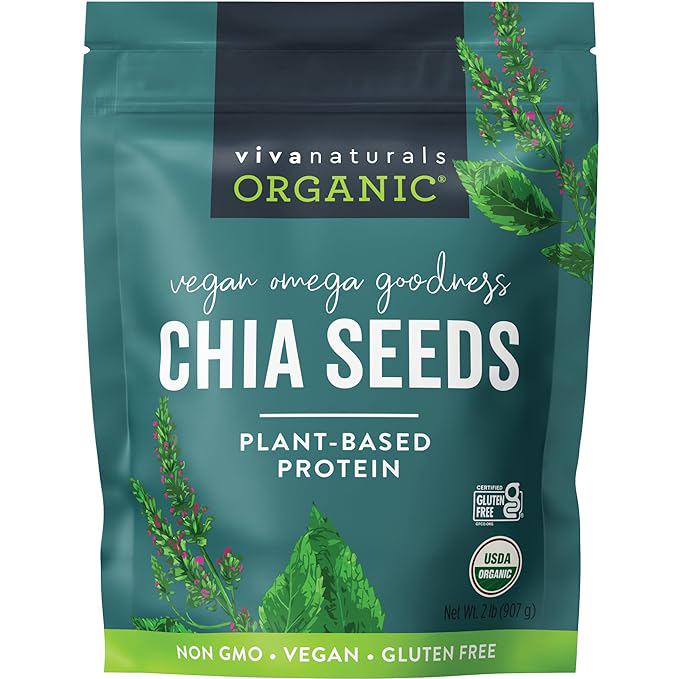
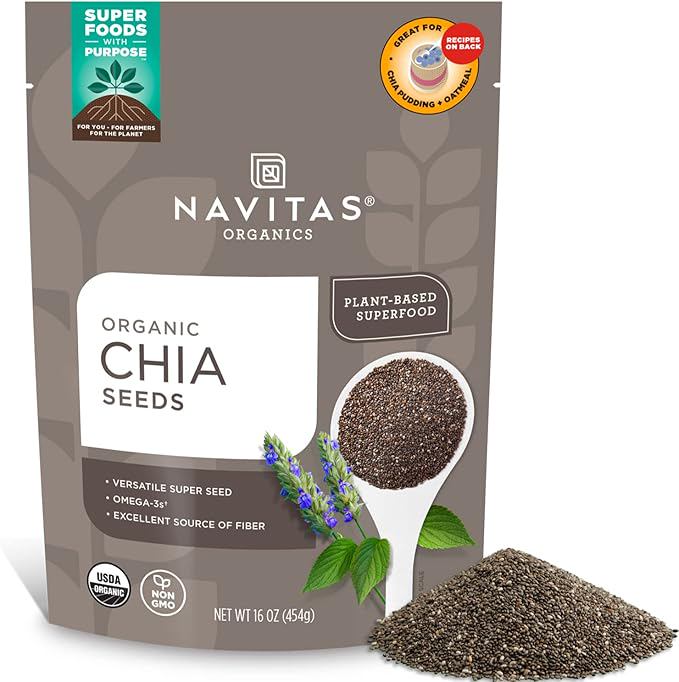
Healthy fats, particularly omega-3 fatty acids found in walnuts, chia seeds, and flaxseeds, are essential for brain health. Research suggests omega-3s may help reduce inflammation and support the structure of brain cells involved in mood regulation.
Key Nutrients That Quiet the Mind
Beyond the macronutrient balance, certain vitamins and minerals play starring roles in nervous system function.
Magnesium is often called nature’s relaxant. It helps regulate the body’s stress-response system and is involved in hundreds of enzymatic reactions, including those that govern neurotransmitters. Many people are mildly deficient. It’s abundant in almonds, spinach, pumpkin seeds, and dark chocolate.
B Vitamins, especially B6, B9 (folate), and B12, are vital for producing and regulating mood-related chemicals like serotonin, dopamine, and GABA. You’ll find them in chickpeas, avocados, leafy greens, and eggs.
Zinc and selenium have also been linked to mood. Zinc, found in pumpkin seeds and cashews, supports nerve signaling, while selenium in Brazil nuts acts as an antioxidant for the brain.
A stabilizing snack isn't about deprivation; it's about strategic nourishment. It’s the difference between throwing newspaper or a steady log on a fire.
Putting It All Together: Snack Ideas
The ideal snack combines these elements into something simple, satisfying, and practical. Here are a few concrete combinations that fit the bill.
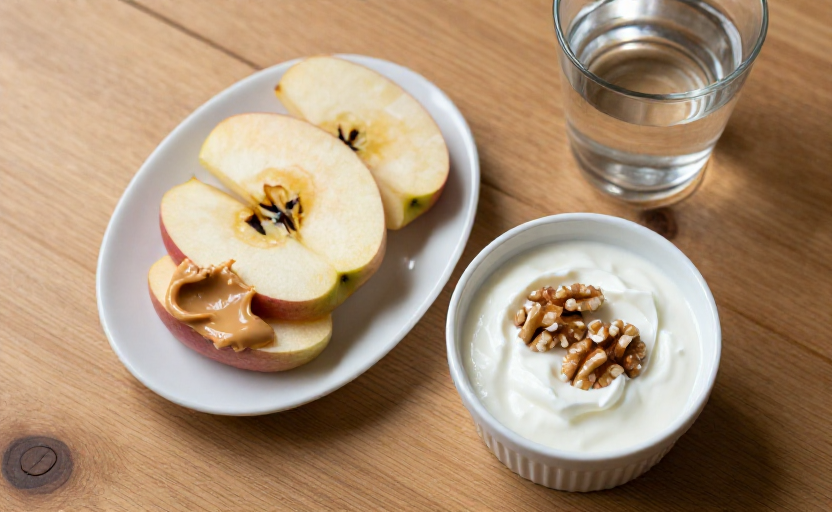
- Apple Slices with Almond Butter & a Sprinkle of Chia Seeds: The apple provides fiber and complex carbs, the almond butter offers protein, healthy fats, and magnesium, and the chia seeds add omega-3s.
- Greek Yogurt with Walnuts and a Drizzle of Honey: Greek yogurt is packed with protein and probiotics (linked to gut-brain health), walnuts provide omega-3s, and a small amount of honey satisfies a sweet craving without a major sugar spike.
- Whole-Grain Crackers with Avocado and Pumpkin Seeds: The crackers offer steady carbs, avocado is rich in healthy fats and B vitamins, and pumpkin seeds are a powerhouse of magnesium, zinc, and protein.
- A Small Handful of Trail Mix: Make your own with raw almonds, cashews, walnuts, and a few dark chocolate chips for a magnesium boost. Avoid mixes with candy or excessive dried fruit.
The goal is to move away from processed, sugary options and toward whole-food combinations that deliver sustained nourishment.
What to Avoid in Your Afternoon Pick-Me-Up
Just as some foods support calm, others can undermine it. Being mindful of what to limit is the other half of the equation.
Heavily processed snacks and those with refined sugars are the biggest culprits. They cause a rapid spike in blood sugar and insulin, followed by a crash that triggers stress hormones and can exacerbate anxiety and irritability.
While a cup of coffee in the morning might be fine, caffeine in the afternoon can interfere with sleep and, for some, directly increase feelings of nervousness and jitteriness. Similarly, sugary energy drinks combine the worst of both worlds: a massive sugar hit and a high dose of stimulants.
Don’t forget hydration. Mild dehydration can manifest as fatigue, headache, and difficulty focusing—symptoms that can worsen feelings of stress. Often, a glass of water alongside your snack is the simplest first step.
A Note on Perspective
Viewing a snack as a tool for mood support is a form of mindful self-care, but it’s not a substitute for professional medical advice, therapy, or treatment for anxiety disorders. Think of it as one piece of a holistic foundation that also includes sleep, movement, stress management, and social connection.
It’s also not about creating rigid rules or guilt. Some days, you’ll have the perfect snack prepared; other days, you’ll have what’s available. The awareness itself—the understanding of the connection between your plate and your mental state—is the real, lasting tool. It empowers you to make choices that consistently support your well-being, one calm afternoon at a time.