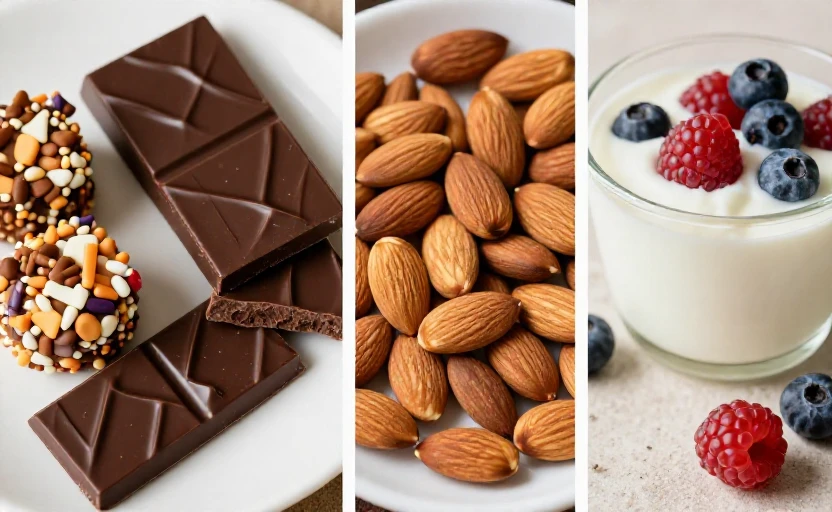
You know the feeling. It’s mid-afternoon, your energy is flagging, and a familiar restlessness or low-grade worry starts to creep in. The vending machine or pantry calls, promising a quick fix. What you choose in that moment, science suggests, might do more than just satisfy a craving—it could directly influence your sense of calm for the rest of the day.
Emerging research points to a powerful connection between what we eat and how we feel, particularly when it comes to anxiety. The right afternoon snack can act as a strategic intervention, providing nutrients that support a steady mood and a resilient nervous system, while the wrong choice can subtly undermine both.
Why the Afternoon Is a Critical Window for Mood
Our bodies and brains operate on intricate circadian rhythms. For many, the post-lunch dip coincides with a natural cortisol fluctuation, which can heighten feelings of stress or unease. Blood sugar, if it drops too steeply after a midday meal, can manifest as jitteriness, irritability, and anxiety—symptoms that feel emotional but are rooted in physiology.
This makes the afternoon snack not just a pleasure, but a potential tool. It’s a chance to course-correct, to provide your brain with the specific building blocks it needs to manufacture calming neurotransmitters and maintain equilibrium.
The goal isn’t just to eat something. It’s to choose something that actively works to soothe your nervous system.
The Science of Swapping: Nutrients That Matter
Anxiety is complex, but nutritional psychiatry has identified key players in dietary support. Swapping a processed, sugary snack for one rich in these nutrients can create a tangible difference.
Magnesium is often called nature’s relaxant. It plays a crucial role in regulating the hypothalamic-pituitary-adrenal (HPA) axis, your body’s central stress response system. Low levels are associated with increased anxiety. A snack rich in magnesium can help quiet neural excitability.
Fiber and Complex Carbohydrates are essential for blood sugar stability. A rapid spike and crash in blood glucose can trigger the release of stress hormones like adrenaline, mimicking anxiety. Fiber slows digestion, providing a steady stream of energy that keeps mood on an even keel.
Antioxidants like vitamins C and E, and polyphenols, combat oxidative stress. Chronic stress and anxiety are linked to increased oxidative damage in the brain. Antioxidants from whole foods help protect neural cells.
Protein with Tryptophan provides the amino acid precursor to serotonin, a neurotransmitter vital for mood regulation. Pairing it with a complex carbohydrate helps tryptophan cross the blood-brain barrier more effectively.
What to Move Away From
Before we get to the swaps, it helps to understand what might be working against you. Common afternoon picks can be stealthy anxiety amplifiers.
- Sugary Pastries or Candy Bars: Cause a rapid blood sugar spike and crash, leading to hormonal fluctuations that feel like anxiety.
- Heavily Caffeinated Drinks: Can overstimulate the nervous system, increasing heart rate and triggering nervousness, especially on an empty stomach.
- Highly Refined Carbs (like chips or white crackers): Act similarly to sugar, offering little nutritional support for mood stability.
Simple, Science-Backed Swaps to Try
Here are practical, delicious exchanges that incorporate the calming nutrients discussed. Think of these not as restrictive rules, but as empowering alternatives.
Instead of a Candy Bar, Try a Square of Dark Chocolate with Almonds
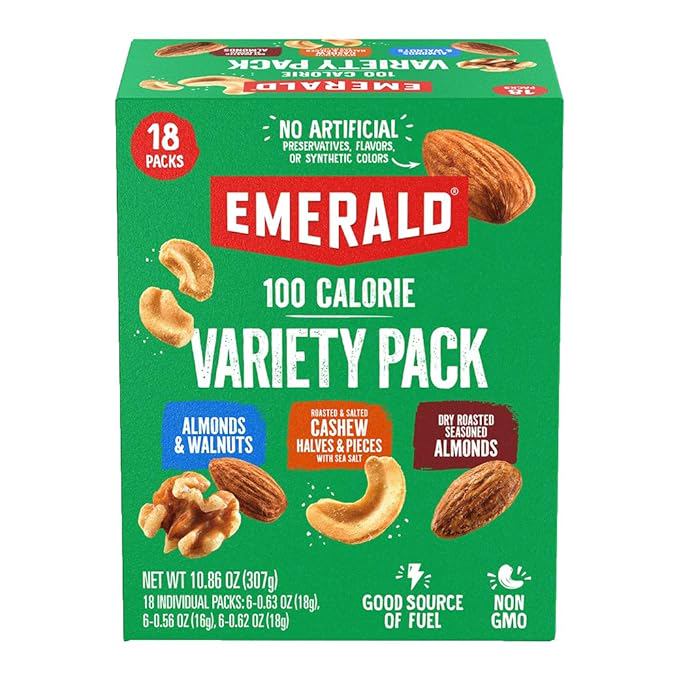
This swap tackles the chocolate craving with purpose. Choose dark chocolate with 70% cocoa or higher—it’s rich in magnesium and polyphenols. A small handful of almonds adds protein, healthy fats, and more magnesium. The combination provides sustained energy and a dose of compounds shown to support a calm mood.
Instead of Potato Chips, Try Roasted Chickpeas or Edamame
You still get a satisfying crunch and savory flavor. Chickpeas are an excellent source of fiber, protein, and magnesium. Edamame (young soybeans) provides protein, fiber, and folate, another nutrient involved in neurotransmitter synthesis. Both help stabilize blood sugar far better than processed chips.
Instead of a Sweetened Yogurt, Try Plain Greek Yogurt with Berries and a Drizzle of Honey
Flavored yogurts are often loaded with added sugar. Plain Greek yogurt is packed with protein and probiotics, which are linked to gut health and, subsequently, brain health via the gut-brain axis. Berries add fiber and a powerhouse of antioxidants. A small drizzle of raw honey satisfies sweetness while offering its own beneficial compounds.
Instead of a Muffin or Pastry, Try a Small Apple with Nut Butter
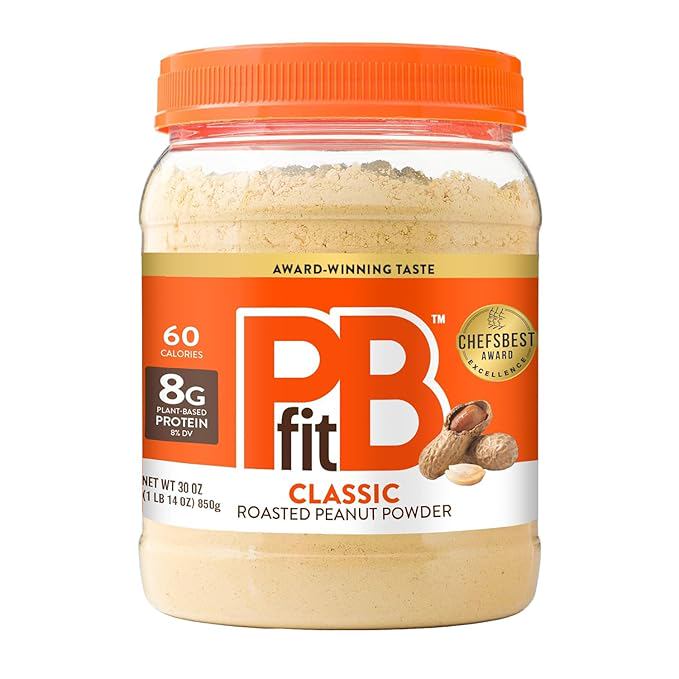
This classic pairing is a powerhouse for mood. The apple provides fiber and quercetin, an antioxidant. The nut butter (almond, peanut, cashew) offers protein, healthy fats, and magnesium. The fat and fiber slow the absorption of the fruit’s natural sugars, preventing a crash.
Remember, these swaps are a form of self-care, not a rigid prescription. The most sustainable change is one that feels both good and doable. Start by trying one swap this week. Notice how you feel an hour later—not just in your stomach, but in your mind. That awareness is the first, and most important, step toward using food as a genuine support for your calm and well-being.