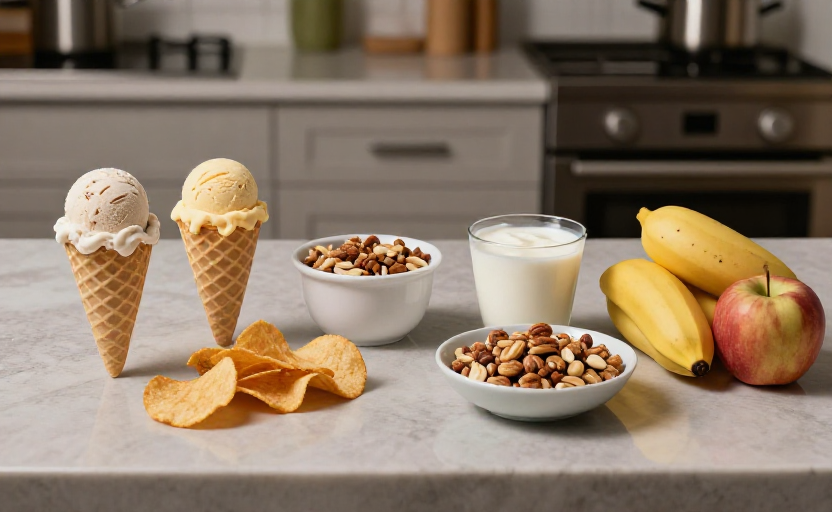
You’ve had a long day, you’re winding down, and a familiar craving hits. The kitchen calls. While a small, thoughtful snack before bed isn’t inherently bad, the choices we make in that drowsy, decision-fatigued state can quietly work against our heart health, particularly when it comes to cholesterol levels. The wrong late-night bite can introduce a surge of saturated fat, refined carbohydrates, and added sugars right when your body is preparing for rest—a combination that can influence your lipid profile over time.
Understanding which snacks are the most problematic isn’t about creating a list of forbidden foods. It’s about making informed, gentle swaps that satisfy the craving without the downside. Let’s look at the common culprits that tend to sneak into our evening routines and explore satisfying, heart-friendlier alternatives.
Why Late-Night Choices Matter for Cholesterol
Cholesterol management isn’t just about what you eat, but also when and how. Eating heavily right before sleep can affect how your body processes fats and sugars. Metabolism naturally slows during sleep, and a large influx of saturated fat and simple carbs may be more readily stored or contribute to unfavorable cholesterol levels. Furthermore, poor sleep—which can be caused by heavy, rich, or sugary foods—is itself linked to worse cholesterol profiles. Choosing a lighter, balanced snack supports both rest and heart health.
Snacks to Rethink Before Bed
These five common late-night options are typically high in the very ingredients experts suggest limiting for cholesterol health: saturated fats, trans fats, refined carbohydrates, and added sugars.
1. Full-Fat Cheese and Crackers
It’s a classic combo, but it’s often a double whammy. Many hard cheeses are high in saturated fat. When paired with refined white crackers, which can lower beneficial HDL cholesterol and raise triglycerides, the snack becomes less than ideal. The salt content in both can also lead to water retention and disrupted sleep.
2. Ice Cream or Heavy Dairy Desserts
A bowl of premium ice cream is a common comfort ritual. However, most traditional ice cream is rich in saturated fat from cream and loaded with added sugar. This combination can stimulate the liver to produce more LDL (“bad”) cholesterol. Frozen dairy desserts also often contain trans fats, which are explicitly advised against for heart health.
3. Processed Meats on White Bread
Think that quick salami or bologna sandwich. Processed meats are notable for their saturated fat and sodium content, and some research suggests the preservatives used may negatively affect heart health. Putting them on white bread adds refined carbs with little fiber to help moderate the impact.
4. Buttered Microwave Popcorn
While plain popcorn is a whole grain, the movie-night version is a different story. Many microwave popcorn brands use hydrogenated oils to create that buttery flavor and preserve shelf life. These oils contain trans fats, which are known to raise LDL cholesterol and lower HDL cholesterol. The topping often adds significant saturated fat and salt.
5. Packaged Cookies, Pastries, or Chips
This is the grab-and-go category when willpower is low. These ultra-processed snacks are typically made with unhealthy fats (like palm or hydrogenated oils), refined flour, and sugar. They offer little nutritional value and can contribute to higher triglycerides and lower HDL cholesterol.
The goal isn’t perfection at midnight, but a better choice. A small shift can make a meaningful difference for your heart without sacrificing satisfaction.
Heart-Smart Swaps for Your Evening Craving
Instead of fighting the urge to snack, prepare for it. The ideal late-night option is light, contains some fiber or protein for satiety, and is low in saturated fat and added sugars. Here are delicious alternatives aligned with cholesterol-conscious eating.
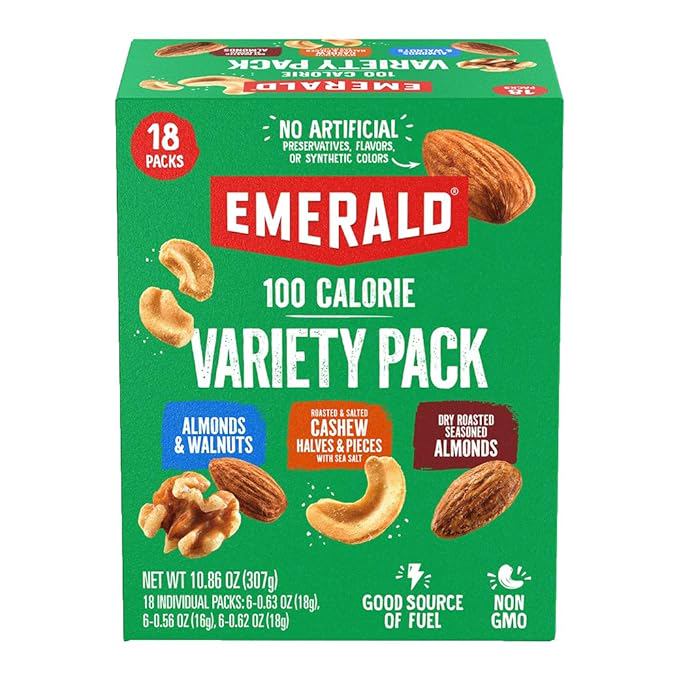
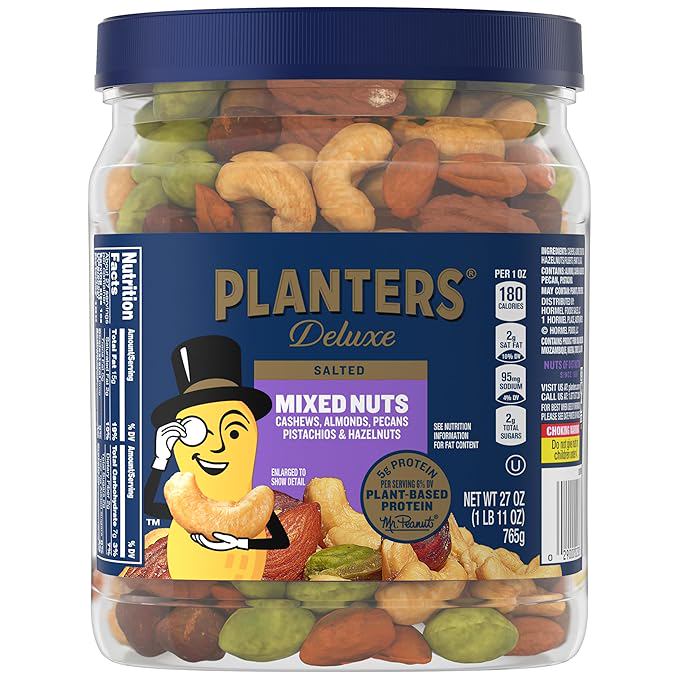
Instead of cheese and crackers, try: A small handful of almonds or walnuts. A 2023 review in Nutrients highlighted that regular nut consumption is associated with improved lipid profiles. Pair them with a few whole-grain crackers or a pear slice for fiber.
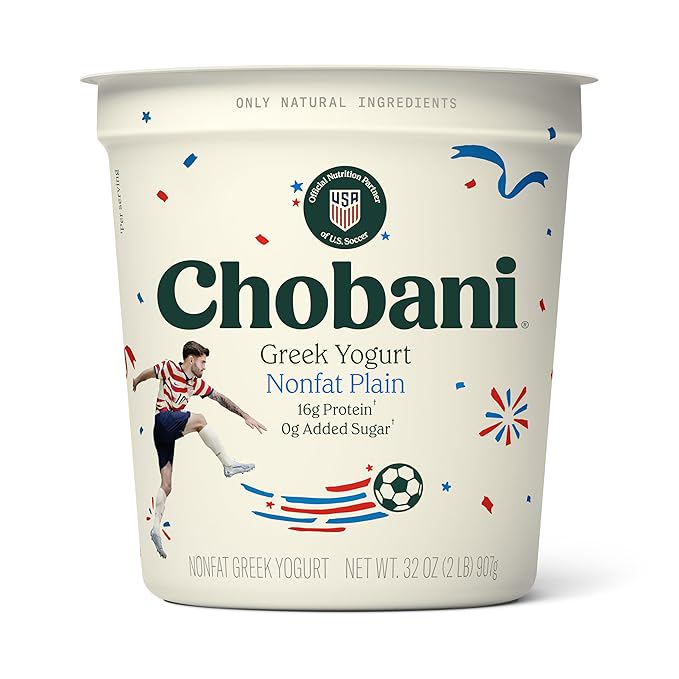
Instead of ice cream, try: A small bowl of plain Greek yogurt topped with berries and a drizzle of honey. Greek yogurt provides protein and probiotics, while berries add fiber and antioxidants. For a frozen treat, blend a frozen banana with a tablespoon of unsweetened cocoa powder for a creamy “nice cream.”
Instead of a processed meat sandwich, try: A small slice of whole-grain toast with a thin spread of avocado or a tablespoon of natural peanut butter. You get healthy monounsaturated fats and fiber without the saturated fat and sodium overload.
Instead of buttered microwave popcorn, try: Air-popped popcorn seasoned with nutritional yeast (for a cheesy, savory flavor), a sprinkle of smoked paprika, or a mist of olive oil. You control the fat and skip the trans fats entirely.
Instead of packaged sweets or chips, try: A piece of dark chocolate (look for 70% cocoa or higher). It contains flavonoids and is lower in sugar than milk chocolate. Alternatively, a few whole-grain oat crackers or a small bowl of cherries can satisfy a sweet or crunchy craving.
Building a Better Nighttime Routine
Sometimes, the urge to snack is really thirst or boredom. Try drinking a glass of water or herbal tea first. Establishing a calming pre-sleep ritual—like reading, light stretching, or listening to music—can also divert the habit of mindless eating. If you are hungry, honor that. Just reach for the option that loves you back, supporting a good night’s sleep and a healthier heart by morning.