We often hear breakfast called the most important meal of the day, but when it comes to heart health, it might be more accurate to call it the most influential. The choices we make first thing in the morning can set a metabolic tone for the hours that follow, impacting blood sugar, blood pressure, and inflammation. The good news is that by recognizing a few common missteps, you can transform your morning routine into a powerful ally for your cardiovascular system.
These mistakes aren't about dramatic failures; they're the quiet, habitual choices that, made daily, can subtly steer heart health in the wrong direction. The fixes, however, are equally straightforward—simple swaps and additions that bring big benefits without requiring a complete kitchen overhaul.
Mistake 1: Skipping Protein and Fiber
Many classic breakfasts are heavy on refined carbohydrates—think toast, bagels, sugary cereals, or pastries—and light on the nutrients that truly sustain us. This combination can lead to a rapid spike in blood sugar, followed by a crash that leaves you hungry, tired, and craving more carbs mid-morning. Over time, this rollercoaster can contribute to insulin resistance, a risk factor for heart disease.
Protein and fiber are the stabilizing forces your breakfast needs. They slow digestion, promote satiety, and help maintain steady blood sugar and energy levels.
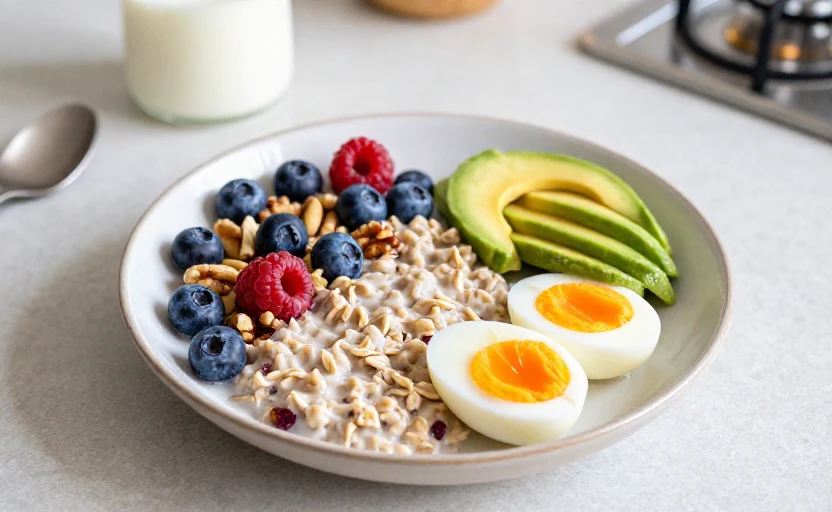
Easy Fix: Anchor your meal with a protein source and add a fiber boost. Instead of just oatmeal, stir in a scoop of nut butter or serve it with a side of Greek yogurt. If you enjoy eggs, pair them with avocado or serve them on a slice of whole-grain toast. Even a smoothie can be transformed by adding a handful of spinach, a tablespoon of chia seeds, or a scoop of plain protein powder.
Think of your plate: aim for at least one solid protein source and one fiber-rich component to start your day on steady ground.
Mistake 2: Overloading on Added Sugar
This is perhaps the most pervasive heart health pitfall. Added sugars hide in plain sight in flavored yogurts, granola, cereal, breakfast bars, pastries, and sweetened coffee drinks. Consuming high amounts of added sugar is linked to increased triglycerides, a type of fat in the blood, higher blood pressure, inflammation, and weight gain—all risk factors for heart disease.
The goal isn't to eliminate all sweetness but to be mindful of added sugars, distinct from the natural sugars found in whole fruits and plain dairy.
Easy Fix: Become a label reader for your staple breakfast items. Choose plain, unsweetened versions of yogurt, oatmeal, and nut milks, then add your own flavor with berries, a drizzle of honey, or a dash of cinnamon. When buying granola or cereal, look for options with less than 5-8 grams of added sugar per serving. For coffee, try gradually reducing the amount of sweetener you use to allow your taste buds to adjust.
Mistake 3: Forgetting Healthy Fats
For decades, fat was unfairly villainized, leading many to choose fat-free or low-fat everything. Unfortunately, these products often compensate for lost flavor with added sugars and refined carbs. More importantly, we now understand that certain fats are essential for heart health. Monounsaturated and polyunsaturated fats can help reduce LDL ("bad") cholesterol and provide anti-inflammatory benefits.
A breakfast devoid of these healthy fats is a missed opportunity for nourishment and satisfaction.
Easy Fix: Intentionally include a source of heart-healthy fat in your morning. This could be a quarter of an avocado, a handful of nuts or seeds (like walnuts, almonds, or flaxseeds), or using olive oil to cook your eggs or sauté vegetables. These fats not only benefit your heart but also help you feel full and satisfied longer.
Mistake 4: Ignoring the Power of Plants
A breakfast plate dominated by beige and yellow foods (toast, eggs, hash browns) is missing the vibrant colors of plants. Fruits and vegetables are packed with potassium, which helps manage blood pressure, antioxidants that fight inflammation, and a vast array of phytonutrients that support overall vascular health.
Easy Fix: Make it a rule to add one fruit or vegetable to every breakfast. It doesn't have to be complicated. Slice a banana onto your cereal, blend spinach into a smoothie, add sliced tomatoes or mushrooms to your eggs, or simply have an apple on the side. Frozen berries are a perfect, convenient option for oatmeal, yogurt, or smoothies year-round.
Mistake 5: Rushing Through the Meal
This mistake is less about what you eat and more about how you eat it. Eating on the run, in front of a screen, or under stress activates the sympathetic nervous system ("fight or flight"), which is not ideal for digestion. When we're rushed, we tend to eat faster, chew less, and may miss our body's signals of fullness, leading to overeating. Chronic stress itself is a known contributor to high blood pressure and heart disease risk.
Easy Fix: Grant yourself just 10-15 minutes to sit down and eat without multitasking. Put your phone aside. Take a few deep breaths before you start. Chew slowly. This practice of mindful eating improves digestion, enhances satisfaction, and helps regulate appetite. It turns breakfast from a fueling task into a brief moment of calm that prepares you mentally and physically for the day ahead.
Improving your heart health doesn't require perfection. It's built through consistent, small choices. By addressing these five common breakfast mistakes, you're not just eating a better meal—you're cultivating a daily habit that honors and protects your heart for the long term.