Hydration is one of those health basics that sounds simple but gets pushed aside on a packed day. You know you should drink more water, yet somehow the hours slip by and your water bottle stays full until bedtime. For busy adults, the challenge isn't just remembering to drink — it's knowing when to drink for the most impact on energy, focus, and long-term health.
Prevention strategies are about making small, intentional moves that keep small problems from turning into bigger ones. Strategic hydration fits that mindset perfectly. Instead of sipping water randomly throughout the day, you can anchor your intake to specific moments that support digestion, circulation, and mental clarity. Here are the four most effective times to drink water, backed by prevention-based thinking, for adults who don't have time to micromanage their hydration.
Right after waking up
Your body goes six to eight hours without fluid while you sleep. Even if you don't feel thirsty first thing in the morning, you are in a mild state of dehydration. A glass of water within 30 minutes of waking helps rehydrate tissues, gets blood moving more freely, and supports kidney function as your body clears overnight waste products.
From a prevention standpoint, morning hydration is a buffer against headaches, brain fog, and constipation — three common complaints that often stem from chronic low fluid intake. Keep a glass or bottle on your nightstand so you see it before you reach for coffee. Plain water works best here; you don't need lemon or salt unless that helps you drink it.
One glass of water within 30 minutes of waking supports kidney function and reduces morning brain fog.
30 minutes before meals
Drinking water a half hour before you eat — not during the meal — gives your digestive system a gentle head start. It primes the stomach lining and supports the production of digestive enzymes and mucus. This timing also helps with appetite awareness: thirst can sometimes feel like hunger, and pre-meal hydration lets you better gauge how much food your body actually needs.
For busy adults eating on the go, this is a simple preventive measure against overeating and sluggish digestion. You don't need to chug a full pint. Four to eight ounces is enough. Set a phone reminder or link the habit to a visual cue — seeing your lunch container can be your signal to take a few sips.
Before and after physical activity
Exercise puts direct stress on your fluid balance, and even mild dehydration during movement affects coordination, endurance, and recovery. The prevention strategy here is to hydrate before you feel thirsty. Thirst is a lagging indicator — by the time your brain signals it, your body is already below optimal hydration.
Drink about eight ounces 20 to 30 minutes before a workout, walk, or even a physically active commute. After exercise, replace fluids gradually over the next hour rather than gulping everything at once. This pacing supports electrolyte balance and prevents the uncomfortable bloating that comes from rapid water intake after exertion. For most daily activity, plain water is sufficient; intense or prolonged exercise may require adding electrolytes, but that's a separate conversation for individual needs.
What counts as physical activity for hydration purposes?
Any sustained movement that raises your heart rate or makes you sweat — a brisk 20-minute walk, carrying groceries up several flights of stairs, yard work, or dancing around the kitchen while cooking. You don't need a gym membership to qualify.
Late afternoon, before decision fatigue sets in
Between 2 p.m. and 4 p.m., many adults hit a mental slump. You've been making decisions all day, and your cognitive resources are running low. Research shows that even mild dehydration can impair concentration, short-term memory, and mood — exactly when you need those things most to finish work, drive home safely, or engage with family.
Drinking a glass of water during this window is a preventive tool against the afternoon crash that often leads to caffeine overload or poor snack choices. Pair it with a short break away from screens and you have a low-cost reset that takes under two minutes. This is not about replacing sleep or proper nutrition, but it does help stabilize mental sharpness when the day is long.
How to make these hydration anchors stick
Knowing the best times is only half the battle. Execution requires a lightweight system that doesn't add mental load. Here are a few practical approaches:
- Use a marked bottle. A standard 24-ounce bottle with time markings on the side gives you visual feedback without needing to count ounces in your head.
- Stack hydration onto existing habits. Morning coffee, lunch prep, workout gear, and the end-of-day email check can all serve as triggers for a water break.
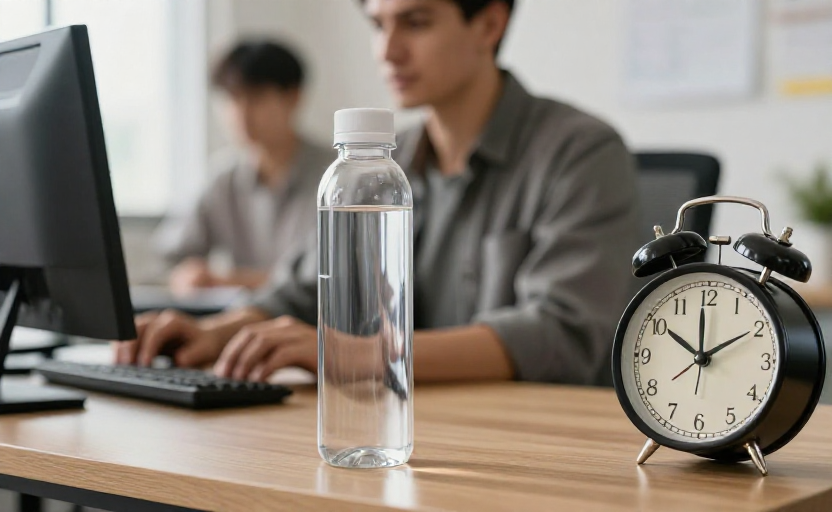
- Keep water visible. If your bottle is in a drawer or bag, you will forget about it. Place it on your desk, counter, or car cup holder as a persistent reminder.
- Adjust for thirst during illness or heat. If you're fighting a cold, running a fever, or spending time in hot weather, your fluid needs increase. Add an extra glass during those times without waiting for one of the four anchor moments.
These anchor times are not rigid rules — they are flexible guides for people who do not have space in their day for complicated wellness routines. The goal is not to obsess over ounces or to drink water on a strict schedule. It is to build simple, prevention-minded habits that support your body's basic needs without draining your time or attention.