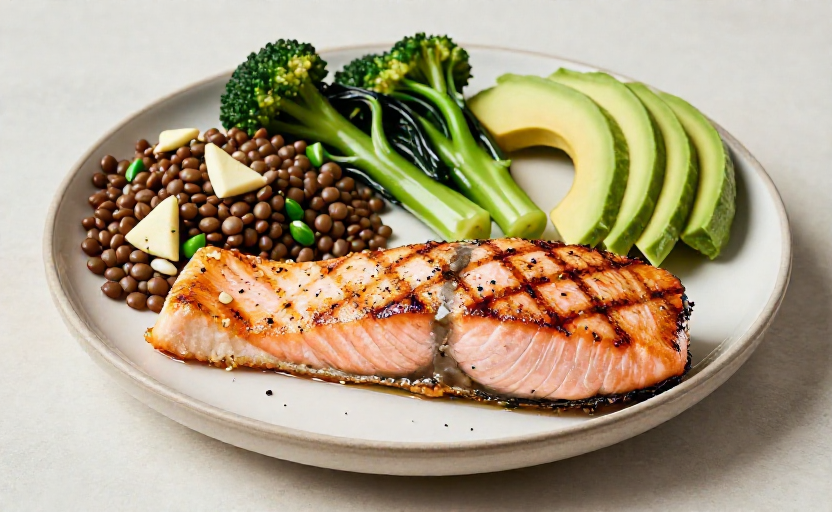
When the sun sets and you’re planning your evening meal, you have a quiet opportunity to support your heart. Dinner isn’t just about ending the day; it’s a chance to nourish your body with foods that work gently through the night. For those mindful of cholesterol, the right evening choices can be a simple, powerful part of a heart-healthy rhythm.
The goal isn’t a restrictive diet, but rather leaning into foods that are naturally rich in specific fibers, healthy fats, and plant compounds. These nutrients can help manage cholesterol levels as part of an overall balanced lifestyle. Let’s explore some of the most supportive foods to consider for your plate.
What makes a food good for cholesterol at dinner?
Foods that support healthy cholesterol levels typically work in a few key ways. Some are rich in soluble fiber, which binds to cholesterol in the digestive system and helps remove it from the body. Others provide unsaturated fats, which can help lower LDL (often called “bad” cholesterol) when they replace saturated fats in your diet. Many also contain plant sterols or antioxidants, which can further support heart health. The evening meal is an ideal time for these foods, as a satisfying, nutrient-dense dinner can prevent late-night snacking on less optimal choices.
Foods to build your dinner around
Instead of focusing on elimination, think about inclusion. Centering your plate around one or two of these foundational foods creates a meal that’s both satisfying and supportive.
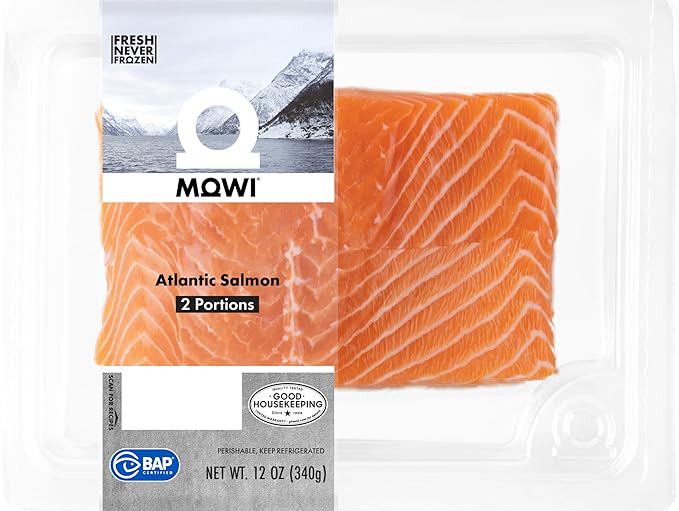
Fatty fish like salmon and mackerel
The omega-3 fatty acids in fatty fish are renowned for their heart benefits. These healthy fats, specifically EPA and DHA, can help lower triglycerides and may modestly raise HDL (“good”) cholesterol. They also have anti-inflammatory properties. Grilling, baking, or pan-searing a fillet is quick and preserves these beneficial fats.
Try pairing a simple piece of baked salmon with a large side of roasted vegetables for a complete, fiber-rich dinner.
Lentils and beans
These humble pantry staples are cholesterol-management powerhouses. Packed with soluble fiber, they help reduce the absorption of cholesterol into your bloodstream. They’re also an excellent source of plant-based protein, helping you feel full and satisfied. From a hearty lentil soup to black bean tacos in lettuce wraps, their versatility makes them an easy dinner base.
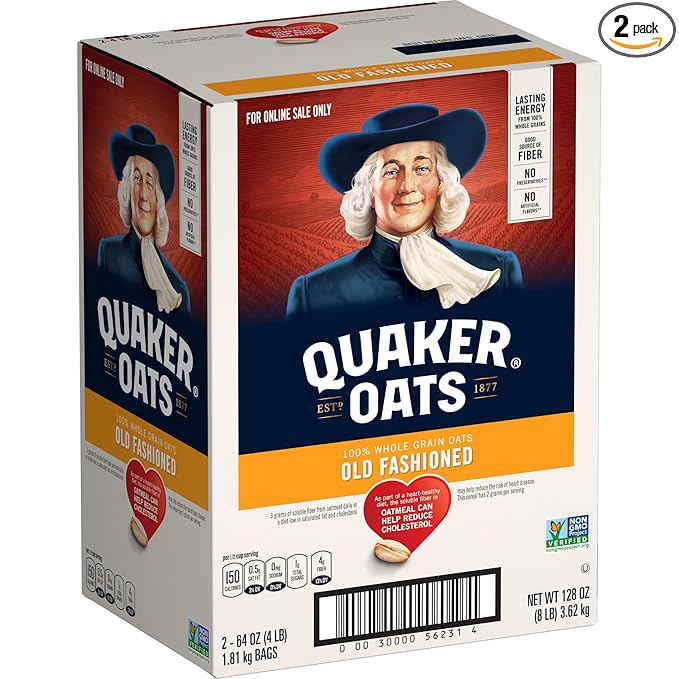
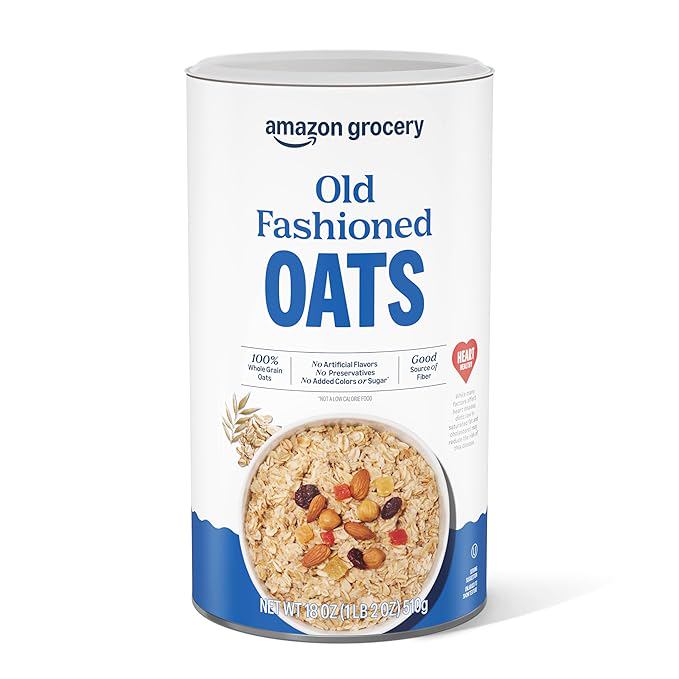
Oats and barley
While often associated with breakfast, these whole grains deserve a place at the dinner table. The soluble fiber in oats and barley is beta-glucan, which has a well-established effect on lowering LDL cholesterol. A warm bowl of savory oatmeal with vegetables and herbs, or a barley risotto with mushrooms, can be a comforting and effective evening choice.
Avocados and nuts
Sources of monounsaturated and polyunsaturated fats, avocados and nuts (like walnuts and almonds) help improve your cholesterol profile when they replace saturated fats. Adding a quarter of an avocado to a salad or sprinkling a small handful of chopped nuts over a stir-fry or roasted vegetables introduces creamy texture, flavor, and heart-healthy fats.
How to put it all together on your plate
Creating a cholesterol-friendly dinner is about balance and composition. Aim to fill half your plate with non-starchy vegetables—like broccoli, spinach, or bell peppers—which add antioxidants and bulk. Dedicate a quarter of your plate to a lean protein source from the list above, such as fish or lentils. The final quarter can be a wholesome complex carbohydrate, like a small serving of barley or quinoa. Finish with a drizzle of healthy fat from avocado, olive oil, or nuts.
This framework ensures a mix of soluble fiber, healthy fats, and protein, which works synergistically to support satiety and heart health.
Foods to enjoy in smaller amounts
Balance is key. It’s not about never enjoying certain foods, but being mindful of their frequency and portion size, especially in your final meal of the day. Foods high in saturated fats, like fatty cuts of red meat, full-fat dairy products, and butter, can raise LDL cholesterol. Similarly, processed foods and those with trans fats (often listed as “partially hydrogenated oils”) are best minimized. Enjoying these occasionally in small portions, rather than making them dinner staples, is a sustainable approach.
The bigger picture of managing cholesterol
It’s important to remember that no single food is a magic solution. Consistent dietary patterns matter most. A heart-healthy dinner is one part of a lifestyle that includes regular physical activity, maintaining a healthy weight, and not smoking. If you have been advised to manage your cholesterol levels, these dietary choices are a supportive step to discuss with your doctor or a registered dietitian, who can provide guidance tailored to your personal health.
By choosing dinners rich in soluble fiber, healthy fats, and plants, you’re doing more than just eating a meal. You’re making a choice that supports your well-being for the rest of the night and the day to come.