
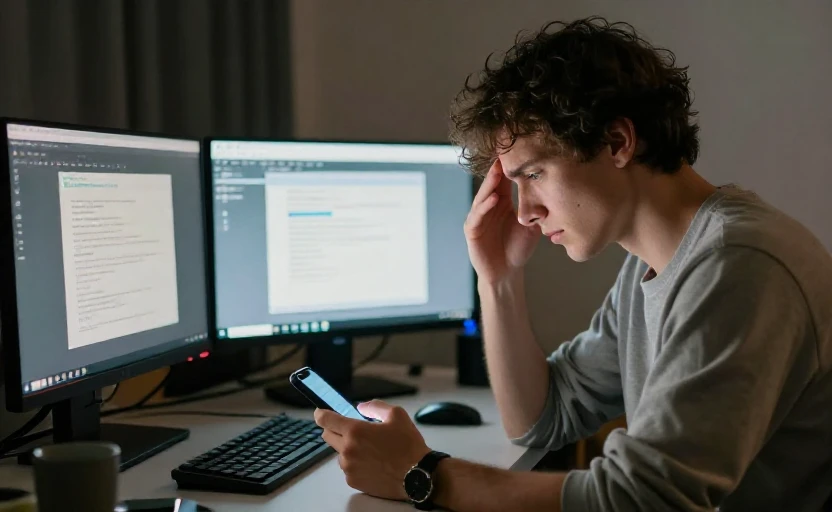
We often think of workplace stress as something that happens to us—a demanding project, a difficult conversation, a looming deadline. But our own daily habits can quietly fan those flames, turning manageable pressure into a persistent burn. Recognizing these patterns isn't about assigning blame; it's about spotting the subtle ways we might be undermining our own resilience.
By identifying these common behaviors, we can start to make small, intentional shifts. The goal isn't to eliminate stress entirely, which is an unrealistic standard, but to stop accidentally making it harder on ourselves. Here are three of the most common habits that tend to amplify workplace stress, and what to consider instead.
The Perpetual Inbox Refresh
It starts innocently enough. You’re waiting for a reply, so you check your email. Then you check Slack. Then you glance at the project management tool. Before you know it, you’ve developed a nervous tic of clicking between tabs or refreshing your phone screen, often without even realizing you’re doing it. This habit creates a state of constant, low-grade alertness. Your nervous system never gets the signal that it’s safe to fully focus on a single task, because a new demand could arrive at any second.
Your attention becomes a resource on standby, always waiting for the next interruption.
This fractured attention makes deep work nearly impossible. It takes the brain significant time to re-engage after an interruption, meaning you’re working harder to accomplish less. The cognitive load of constantly context-switching is exhausting, leaving you feeling drained by midday. To counter this, consider batching communication. Designate specific times to process emails and messages—perhaps at the top of the hour, or during three set blocks in your day. Turn off non-essential notifications during focus periods. The world rarely needs an instant reply; giving yourself permission to respond in batches can reclaim a surprising amount of mental space.
Blurring the Boundaries Between Work and Life
When your work laptop lives on the kitchen table and your phone buzzes with updates after hours, the workday never truly ends. The physical and temporal boundaries that once contained job-related stress have dissolved. This habit makes recovery difficult. Without a clear “off” signal, your body stays in a mild state of work readiness, which can interfere with sleep, relaxation, and time spent with family or on hobbies.
This isn’t just about remote work. It’s the habit of sending “one quick email” at 9 p.m., or mentally rehearsing a meeting while making dinner. Each small act reinforces the connection that work is always present. Creating ritual boundaries can help. This could be as simple as a closing ritual at the end of your workday—shutting down your computer, tidying your desk, or making a brief list for tomorrow. Physically putting work devices in another room after hours, or using a separate browser profile for work, can provide a tangible cue that your time is now your own.
Why a Hard Stop Matters
Consistently working late or starting early doesn’t just add hours; it erodes the psychological recovery period your brain needs to maintain creativity and problem-solving ability. Chronic availability can lead to a sense of resentment and burnout, as personal time feels constantly encroached upon.
The Neglect of Micro-Breaks
In an effort to power through a heavy workload, many of us skip the small pauses that sustain energy. We eat lunch at our desks, skip the walk outside, and go hours without standing up. This habit is deceptively taxing. The human brain and body are not designed for sustained, uninterrupted focus for hours on end. Performance and mood naturally ebb and flow in cycles.
By denying ourselves brief resets, we allow stress hormones like cortisol to build up without a natural release valve. Physical tension accumulates in the shoulders, neck, and jaw. Mental fatigue sets in, leading to more errors and diminished patience. A micro-break doesn’t need to be long. It’s a five-minute stretch, a walk to get a glass of water, or simply looking out a window and taking three deep breaths. These moments are not a diversion from productivity; they are the mechanism that sustains it.
- Try the 20-20-20 rule: Every 20 minutes, look at something 20 feet away for 20 seconds to reduce eye strain and mental fatigue.
- Stand and stretch after completing a task, before diving into the next one.
- Hydrate. Getting up for water is a built-in reason for a physical pause.
Changing these habits isn’t about a complete overhaul overnight. It’s about awareness. Notice when you’re reflexively checking your inbox. Observe when work thoughts intrude on your evening. Acknowledge when you’ve been glued to your chair for too long. Each of these habits formed because, at some point, it felt necessary. The path to unwinding them begins with a gentle, non-judgmental recognition, followed by a single small change. The space you create might just be where your resilience grows.