When we think about managing cholesterol, our focus often jumps straight to what we should be eating less of. But sometimes, the most impactful changes come from recognizing the quiet patterns in our daily diet—the habits we don’t even notice—that quietly tip the scales. These aren't about single "bad" foods, but about broader nutritional imbalances that affect how our bodies produce and clear cholesterol.
Understanding these common missteps can shift your approach from restrictive dieting to thoughtful, sustainable nourishment that supports your heart health for the long term.
Mistake 1: Focusing Only on Dietary Cholesterol
For decades, the primary dietary advice for high cholesterol was simple: avoid cholesterol-rich foods like eggs and shrimp. While that guidance has evolved, the legacy of this single-minded focus can still lead us astray. The bigger picture for most people is not the cholesterol you eat, but the types of fats you consume and how they influence your body's own cholesterol production.
Your liver manufactures most of the cholesterol in your bloodstream. Certain dietary fats act like signals, instructing your liver to ramp up or slow down this internal production. This is where the real leverage lies.
The Saturated Fat Oversight
Saturated fats are the primary dietary driver that prompts your liver to produce more LDL (often called "bad") cholesterol. When you cut back on eggs but continue to eat significant amounts of saturated fat from other sources, you're likely missing the main target.
These fats are solid at room temperature and are found in:
- Fatty cuts of red meat (ribeye, ground beef)
- Full-fat dairy products (butter, cheese, whole milk, cream)
- Processed meats (sausage, bacon, salami)
- Certain tropical oils, like coconut oil and palm oil
Think of your plate’s composition: swapping a large portion of red meat for a plant-based protein or fish a few times a week can be more impactful for cholesterol management than worrying about the occasional egg.
Mistake 2: Not Eating Enough of the Right Fats
In the effort to follow a "low-fat" diet for heart health, many people inadvertently eliminate the very fats that can help. This creates a double problem: you might still be getting saturated fats from hidden sources, while missing out on the unsaturated fats that actively improve your cholesterol profile.
Monounsaturated and polyunsaturated fats do not raise LDL cholesterol. More importantly, some of them—specifically polyunsaturated fats—can actually help lower it. They also support higher levels of HDL ("good") cholesterol, which helps remove LDL from the bloodstream.
Where to Find Helpful Fats
Making a conscious effort to include these foods can rebalance your fat intake:
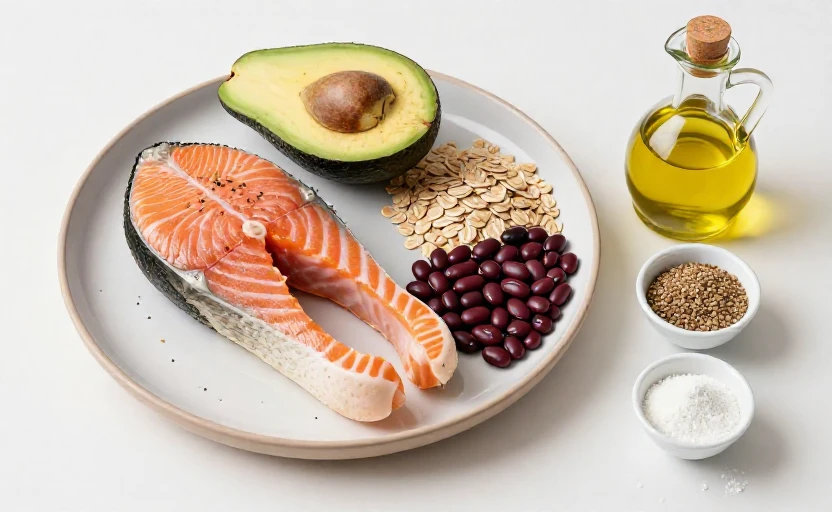
- Monounsaturated fats: Avocados, olives, olive oil, and many nuts (like almonds, cashews, and pecans).
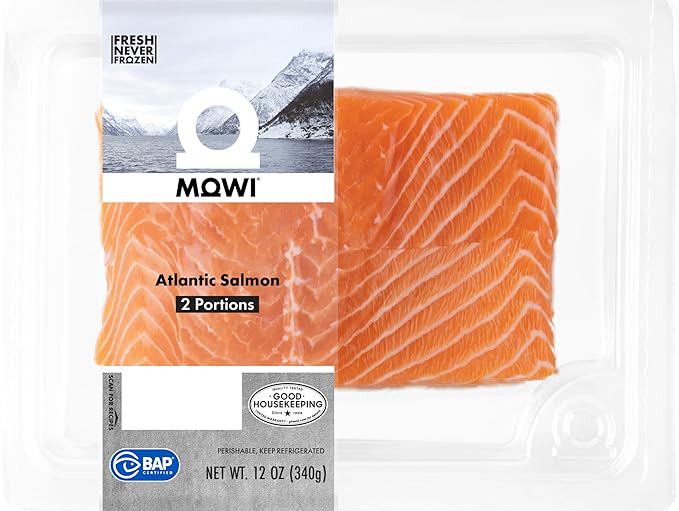
- Polyunsaturated fats (including Omega-3s): Fatty fish (salmon, mackerel, sardines), walnuts, flaxseeds, chia seeds, and sunflower oil.
The goal isn't to add fat on top of everything else, but to replace sources of saturated fat with these alternatives. Try using avocado on toast instead of butter, or snacking on a handful of nuts instead of cheese and crackers.
Mistake 3: Ignoring Dietary Fiber, Especially the Soluble Kind
This is perhaps the most overlooked tool in cholesterol management. While we often associate fiber with digestive health, specific types of fiber play a direct and powerful role in regulating cholesterol levels.
Soluble fiber dissolves in water to form a gel-like substance in your gut. This gel binds to cholesterol particles, specifically bile acids which are made from cholesterol, and helps escort them out of the body as waste. To replenish these lost bile acids, your liver pulls more cholesterol from your bloodstream, effectively lowering your circulating LDL levels.
Simple Ways to Boost Soluble Fiber
You don't need a supplement to get the benefits. Many everyday foods are rich in this helpful fiber:
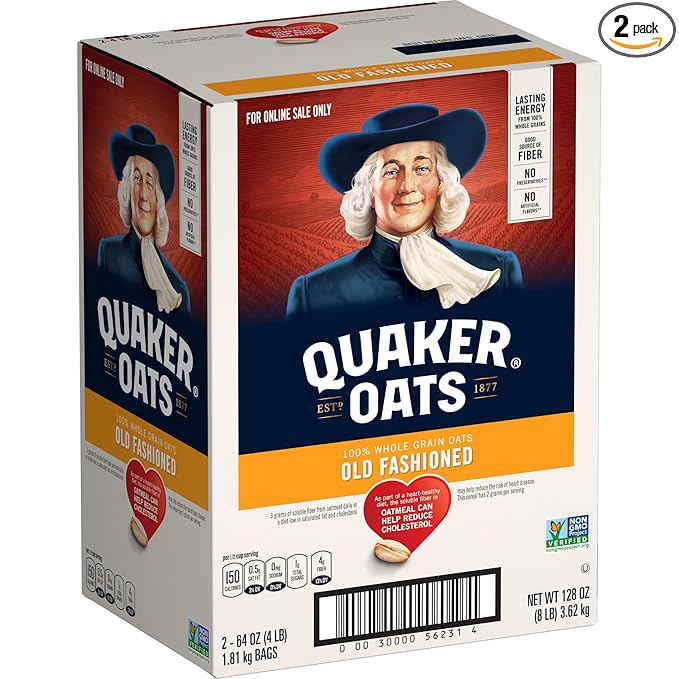
- Oats and barley: A bowl of oatmeal is a classic for a reason.
- Legumes: Beans, lentils, and chickpeas are exceptionally high in soluble fiber.
- Certain fruits: Apples, citrus fruits, and strawberries (thanks to their pectin).
- Vegetables: Brussels sprouts, carrots, and sweet potatoes.
- Psyllium husk: Often found in fiber supplements, but also a natural plant source.
The key is consistency. Adding a serving of beans to your soup or having an apple as an afternoon snack are small, sustainable acts that contribute significantly over time.
Putting It All Together
Correcting these three mistakes isn't about a drastic overnight overhaul. It's about a series of mindful shifts. Start by scanning your typical meals: Where are the main sources of saturated fat? Could one be swapped? Are there opportunities to add a serving of soluble fiber? Have you included a source of healthy unsaturated fat today?
This approach moves you away from fear-based eating and toward a pattern of nourishment that supports your heart naturally. It’s less about perfection and more about the cumulative power of better choices, most of the time.
Remember, dietary changes are one part of a heart-healthy lifestyle, which also includes regular physical activity and avoiding tobacco. Always discuss significant dietary changes with your doctor or a registered dietitian, especially if you have existing health conditions.