
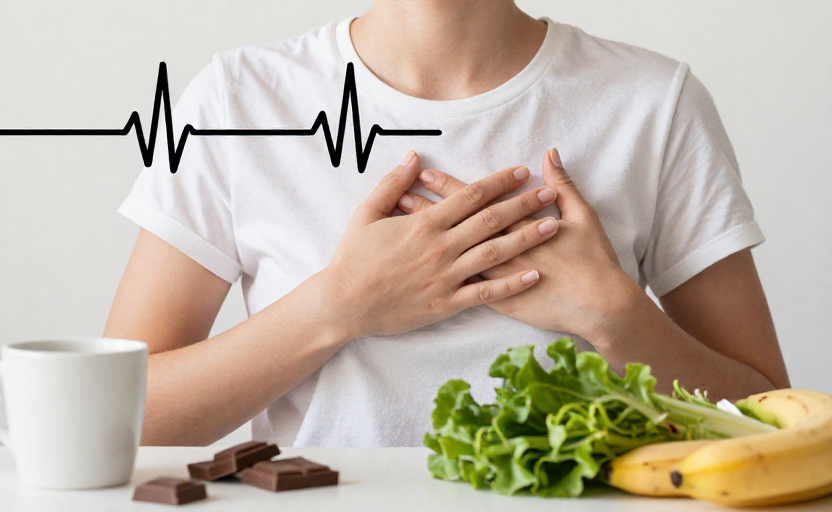
You’re sitting quietly, maybe reading or watching TV, when you feel it—a sudden flutter, a skipped beat, or a hard thump in your chest. Heart palpitations are a common, often unsettling experience. While they can be triggered by stress, anxiety, or hormonal shifts, what you eat and drink plays a surprisingly direct role. For many, a few simple, overlooked dietary habits are the primary culprits turning an occasional flutter into a frequent visitor.
Understanding this connection isn't about fear or restrictive eating. It's about empowerment. By tuning into how certain foods and beverages interact with your body's rhythms, you can make informed choices that support calm and steadiness. Let's explore the two most common diet-related missteps that can aggravate palpitations and how to gently adjust your approach.
Mistake 1: Overlooking Hidden Stimulants
When we think of stimulants and the heart, coffee is usually the first thing that comes to mind. And yes, for some people, that morning cup can be a direct trigger. But the bigger issue often lies in the less obvious sources. We might switch to decaf or herbal tea, yet still consume significant amounts of stimulants through other daily foods and drinks.
Stimulants like caffeine and theobromine work by exciting the nervous system. This can lead to a temporary increase in heart rate and, for some, provoke that sensation of a racing, pounding, or irregular heartbeat. The key word here is cumulative. It’s not always one strong coffee; it’s the soda with lunch, the dark chocolate snack in the afternoon, and the certain pain reliever you took for a headache that all add up throughout the day.
Your total stimulant intake matters more than any single source.
Beyond the usual suspects, here are some common places stimulants hide:
- Certain teas: Green tea, black tea, white tea, and yerba mate all contain caffeine. Even some “herbal” blends marketed for energy can include guarana or yerba mate.
- Chocolate: Dark chocolate contains notable amounts of theobromine, a milder cousin of caffeine. The darker the chocolate, the higher the content.
- Soda & Energy Drinks: Colas and many other sodas are obvious sources, but energy drinks are particularly potent, often combining high doses of caffeine with other stimulating ingredients like taurine.
- Over-the-Counter Medications: Many headache, migraine, and “stay awake” pills include caffeine as an active ingredient.
If palpitations are a concern, it can be helpful to do a gentle audit of your intake. You don’t necessarily need to eliminate everything. Instead, notice patterns. Do palpitations tend to follow a particular meal or snack? Could they be related to that second cup of tea in the afternoon? Sometimes, simply shifting when you consume these items—avoiding them in the evening, for instance—or moderating the total amount can make a significant difference.
Mistake 2: Neglecting Electrolyte Balance
While stimulants can rev the engine, an imbalance in electrolytes can disrupt the electrical wiring itself. Your heart’s steady beat is governed by a delicate, precise electrical system. Electrolytes—primarily potassium, magnesium, and sodium—are the minerals that conduct these essential electrical charges.
When these minerals are out of balance, the heart's electrical signals can become unstable, potentially leading to extra beats, flutters, or arrhythmias. The most common dietary culprit here isn't typically too much sodium (though excess can contribute to high blood pressure, which strains the heart), but rather not getting enough potassium and magnesium.
Modern diets are often rich in processed foods, which tend to be high in sodium but low in these other crucial minerals. This imbalance can set the stage for irritability in the heart muscle.
Why Potassium and Magnesium Matter
Potassium helps maintain a regular heartbeat and counterbalances the effects of sodium. Low levels can make heart cells more excitable.
Magnesium is a natural relaxant for muscles and nerves. It helps regulate the movement of potassium and calcium into heart cells, which is vital for a steady rhythm. A deficiency can contribute to muscle spasms, including those in the heart.
Focusing on whole, mineral-rich foods is the most sustainable way to support this balance. Excellent sources of potassium include bananas, sweet potatoes, spinach, avocados, and beans. For magnesium, think leafy greens, nuts, seeds, and whole grains.
Dehydration concentrates electrolytes in the blood and can also trigger palpitations. Consistent fluid intake with water is a simple, foundational support.
It’s important to note that significant electrolyte imbalances, especially very low potassium (hypokalemia), can be serious. While dietary adjustments are a great first step, persistent palpitations should always be evaluated by a doctor to rule out underlying causes that may need specific medical attention.
Putting It Into Practice
Addressing these two areas doesn’t require a drastic overhaul. Think of it as tuning an instrument, not buying a new one. Start with observation. Keep a simple log for a few days, noting what you eat and drink and any episodes of palpitations. Look for patterns related to stimulant intake or meals low in fruits and vegetables.
From there, consider small, manageable changes:
- Swap one caffeinated drink for a herbal alternative like peppermint or rooibos.
- Add one magnesium- and potassium-rich food to your daily routine, like a handful of almonds or a spinach salad.
- Carry a water bottle and sip regularly throughout the day.
- Read labels on medications and supplements to be aware of added stimulants.
Your body is giving you feedback. Palpitations, while frightening, are often its way of signaling that something is out of balance. By paying attention to these two common dietary connections—hidden stimulants and electrolyte support—you take a proactive, gentle step toward understanding your own rhythms and fostering a sense of calm from within.