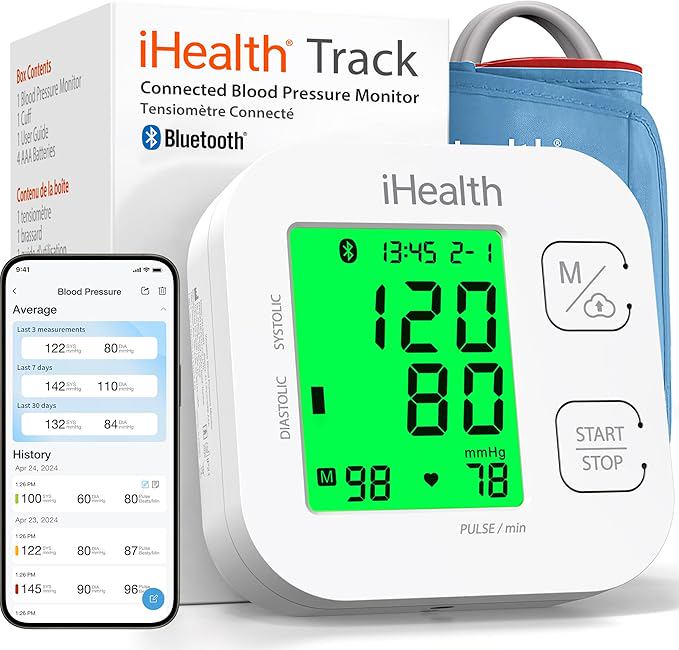

We often think of blood pressure as a number we check at the doctor’s office, a quiet metric influenced by genetics or major life events. But the truth is, the daily rhythm of our lives—the small, repeated choices we make without a second thought—can steadily nudge that number upward. Over time, these habits create a foundation for higher readings, often long before any symptoms appear.
While many factors contribute to blood pressure, two common daily patterns stand out for their pervasive influence. They’re woven into the fabric of modern life, which makes them easy to overlook but also means adjusting them can have a profound effect.
What’s the first habit that quietly raises blood pressure?
It’s not a single food or a moment of stress. It’s a constant, subtle presence: a high sodium intake. Sodium is essential for bodily functions, but the modern diet delivers it in quantities far beyond what we need. The issue isn’t just the salt shaker; it’s the steady accumulation from processed, packaged, and restaurant foods that forms the bulk of this habit.
When you consume too much sodium, your body holds onto more water to dilute it. This increases the volume of fluid in your bloodstream. Think of it as turning up the flow in a garden hose; more fluid volume means more pressure against the walls of your blood vessels. Your heart and kidneys work harder to manage this extra load, and over time, this can lead to stiffer, less responsive arteries.
The real challenge with sodium is that it’s often invisible, tucked into bread, canned soups, condiments, and even sweet snacks.
Reducing sodium isn’t about making your food taste bland. It’s about becoming a more mindful reader of labels and a more adventurous cook in your own kitchen. The taste for salt is acquired, and it can be gently recalibrated. As you use less, your taste buds adjust, and you begin to notice—and enjoy—the other flavors in your food.
And the second common daily pressure point?
If the first habit is about what we consistently put in our bodies, the second is about what we consistently don’t do: move them enough. Sedentary behavior, characterized by long periods of sitting or very low activity, is an independent risk factor for higher blood pressure.
Regular physical activity keeps your blood vessels flexible and helps your nervous system maintain a better balance. It trains your heart to work more efficiently, pumping more blood with less effort, which directly lowers the force on your arteries. When we sit for most of the day, we miss out on these regulating effects. Our circulation becomes more sluggish, and our vascular system doesn’t get the gentle, repeated stimulus it needs to stay resilient.
This doesn’t mean you need to run a marathon. The gap between being completely sedentary and being lightly active is where the most significant benefit lies. The goal is to break up sitting time and incorporate more movement into the natural flow of your day.
How can you start to shift these patterns?
Change is most sustainable when it feels manageable, not overwhelming. Instead of drastic overhauls, consider gentle nudges in a better direction.
For managing sodium:
- Cook one more meal at home each week using whole ingredients.
- Rinse canned beans and vegetables under water to wash away some of the added sodium.
- When reading nutrition labels, pay attention to the “% Daily Value.” Aim for 5% or less per serving for sodium.
- Experiment with herbs, spices, citrus zest, and garlic to build flavor without the salt shaker.
For reducing sedentary time:
- Set a simple reminder to stand up and move for two to three minutes every hour. Walk to get a glass of water, do a quick stretch, or just stand while on a phone call.
- Park farther away from your destination, or get off public transit one stop early.
- Try a “walking meeting” for one-on-one conversations when possible.
- Stand or pace during TV commercial breaks.
What about stress and sleep?
While not the primary focus here, it’s worth noting that chronic stress and poor sleep often walk hand-in-hand with our two main habits. High stress can lead to temporary blood pressure spikes and may encourage less healthy eating and less motivation to move. Similarly, poor sleep can disrupt the hormones that regulate stress and appetite, creating a cycle that reinforces sedentary behavior and cravings for high-sodium, processed foods. Addressing sodium and activity often has a positive ripple effect on sleep and stress resilience.
Monitoring your blood pressure at home, if advised by your doctor, can be a powerful tool. It helps you see the direct connection between your daily habits and your readings, providing gentle, personal feedback. Remember, the goal isn’t perfection. It’s awareness and consistent, small choices that, over weeks and months, add up to a significant difference in your cardiovascular well-being.