
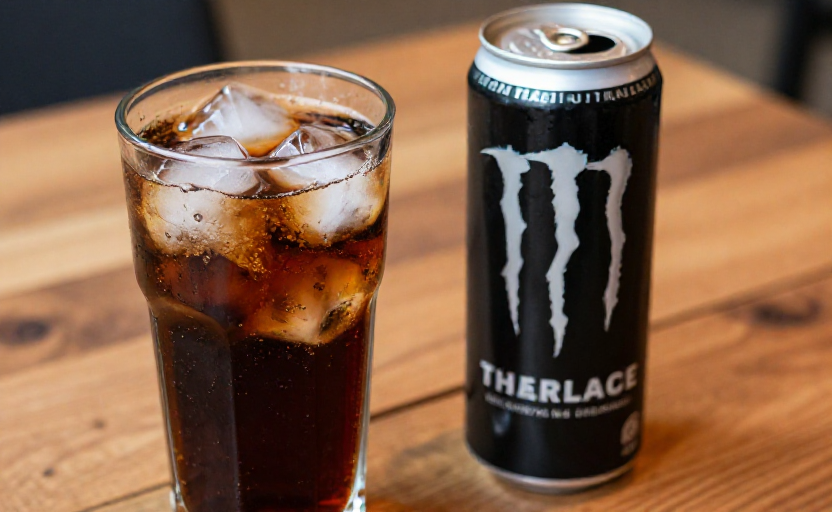
When it comes to your heart health, what you drink can be just as important as what you eat. Arterial plaque—the buildup of fats, cholesterol, and other substances inside your artery walls—is a primary driver of atherosclerosis, which can lead to heart attacks and strokes. While a balanced diet and regular exercise are foundational, certain beverages can accelerate plaque formation in ways that surprise many of my readers.
I recently spoke with leading cardiologists about the drinks they personally avoid or strictly limit. They didn't name obscure health tonics or trendy superfood shots. Instead, they pointed to two everyday beverages that most of us keep in our refrigerators. Here is the straightforward, evidence-based guidance they shared.
Why these two drinks matter for your arteries
Plaque development is driven by chronic inflammation and oxidative stress. Both of these drinks are known to contribute to those processes when consumed regularly. The cardiologists I consulted emphasize that the issue is less about total elimination and more about habitual overconsumption. One is a source of concentrated sugar, the other a source of compounds that can stiffen blood vessels over time.
Drink #1: Sugary soda and sweetened beverages
This probably doesn't come as a shock, but the data keeps piling up. Sugar-sweetened beverages—think regular soda, sweet tea, fruit drinks, and energy drinks with added sugar—are directly linked to higher levels of triglycerides, increased blood pressure, and elevated LDL cholesterol. One large study published in the Journal of the American Heart Association found that people who drank sugary beverages daily had a significantly higher risk of coronary artery disease compared to those who rarely drank them.
"The liver converts the high fructose load from soda directly into triglycerides, which promotes inflammation and plaque buildup," explains Dr. James Park, a preventive cardiologist.
The problem isn't just empty calories. When you drink sugar instead of eating it, you bypass the normal satiety signals. You consume more, faster. For example, a 12-ounce can of cola contains about 39 grams of sugar—roughly 10 teaspoons. The American Heart Association recommends no more than 36 grams (9 teaspoons) of added sugar per day for men, and 25 grams (6 teaspoons) for women. One can of soda already pushes you close to or beyond that limit.
What about diet soda?
Diet sodas have their own controversies, and cardiologists are split. Some observational research links artificially sweetened beverages to higher risks of stroke and dementia, though the evidence is less consistent than for sugary sodas. For now, the cautious advice from most cardiologists is simple: if you are drinking soda daily, whether regular or diet, consider replacing it with water or unsweetened sparkling water.
Drink #2: Energy drinks
This second drink may be less expected, but cardiologists flagged it as a growing concern, especially among younger adults. Energy drinks like Monster, Red Bull, and 5-Hour Energy contain a potent combination of high caffeine and other stimulants (taurine, guarana, B vitamins) that can significantly strain the cardiovascular system.
Research has shown that energy drinks can acutely raise blood pressure and prolong the QTc interval—a measure of your heart's electrical rhythm. A prolonged QTc interval increases the risk of dangerous arrhythmias. Over time, repeated spikes in blood pressure contribute to endothelial dysfunction, a key early step in plaque formation. One study in the Journal of the American Medical Association found that consuming 32 ounces of an energy drink over two hours caused a measurable increase in blood pressure and stress hormones.
"Energy drinks are not just coffee with bells on," says Dr. Sarah Lin, a cardiologist specializing in vascular health. "The combination of caffeine, taurine, and guarana sends a different signal to your blood vessels, and it isn't a good one when consumed regularly."
The American Academy of Pediatrics recommends that adolescents avoid energy drinks entirely. For adults, the advice is more moderate: limit energy drinks to occasional use (less than once per week) and never mix them with alcohol.
Practical swaps that support plaque prevention
Cutting back on these two drinks doesn't leave you with boring options. Here are three swaps that cardiologists themselves use and recommend to patients:
- Swap soda for sparkling water with a splash of citrus or a few berries. You still get the bubbles and flavor, but zero added sugar and zero artificial sweeteners.
- Replace energy drinks with black coffee or unsweetened tea. Coffee and green tea are rich in polyphenols that actually support endothelial function and reduce inflammation. If you need a mid-afternoon lift, try plain coffee with a splash of milk.
- Try hibiscus or ginger tea iced. These herbal infusions are naturally sweet-tasting without sugar, and some studies suggest hibiscus tea may help lower blood pressure modestly.
The bottom line from cardiologists
Neither of these drinks needs to be a permanent ban. If you have a can of cola at a birthday party or an energy drink before a late-night drive, that occasional use is unlikely to cause harm. The concern is daily or near-daily consumption—the habit that silently contributes to vascular inflammation and plaque progression over years.
If you already have known heart disease, high cholesterol, or hypertension, the calculus shifts. Most cardiologists I spoke with would prefer patients avoid these entirely and focus on hydrating with water, herbal teas, and moderate coffee intake.
As with any dietary change, it's wise to discuss your specific risk factors with your own doctor. Small, consistent swaps in your drinking routine can add up to meaningful protection for your arteries over a lifetime.