If you have PCOS, you know the feeling: the energy slump, the brain fog, and the stubborn weight that doesn't budge, no matter how hard you try. Insulin resistance is the hidden engine driving many PCOS symptoms, and while no single food causes it, one food type is the most potent trigger for those sharp, destabilizing insulin spikes. The culprit is refined carbohydrates. But here's the good news: swapping them out isn't about deprivation. It's about choosing better partners for your body.
Why refined carbs are the main offender
Think of refined carbohydrates as sugar that's already been pre-digested for you. White bread, white rice, pasta made from white flour, sugary cereals, crackers, pastries, and most packaged snacks are stripped of the fiber and nutrients that slow down digestion. When you eat them, your blood sugar rises quickly. In response, your pancreas releases a large amount of insulin to push that sugar into your cells. But in PCOS, your cells are less responsive to insulin's signal, so your body has to produce even more insulin to get the job done. This creates a vicious cycle of high insulin levels, which in turn worsens hormone imbalances and makes it harder for your body to use stored fat for energy.
A single serving of refined carbs can trigger an insulin response that lasts for hours, making your PCOS symptoms harder to manage the rest of the day.
What a spike looks like in real life
It's not about counting grams of sugar. It's about the rate at which carbs enter your bloodstream. A slice of white bread and a bowl of oatmeal with the same total carbohydrate count will have very different effects. The white bread is like a match to gasoline; the oatmeal is a slow-burning log. In PCOS, you want more logs and fewer matches. The spike itself isn't just about feeling tired or hungry an hour later. Chronically high insulin drives inflammation, encourages the ovaries to produce more testosterone, and can lead to more severe PCOS symptoms like irregular periods, acne, and hair thinning.
The swap strategy: think 'addition', not 'elimination'
You don't need to banish bread forever. The most practical approach is to swap refined sources for whole, intact carbohydrates. The key difference is fiber. When a grain is whole, its germ and bran are intact. Your digestive system has to work to break it down, which slows the release of glucose. Here are five swaps that make a real difference:
- Swap white rice for brown rice, quinoa, or farro. Brown rice has nearly three times the fiber of white rice. A simple switch at dinner can prevent the post-meal blood sugar surge.
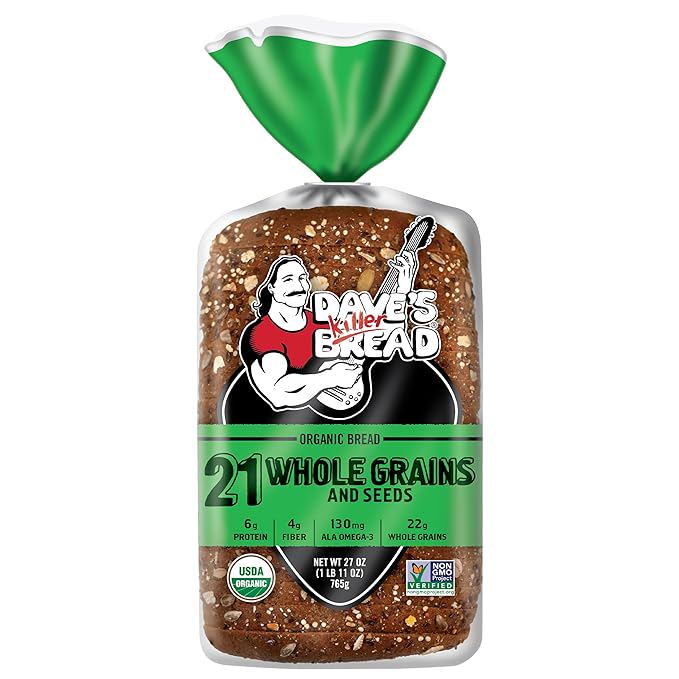
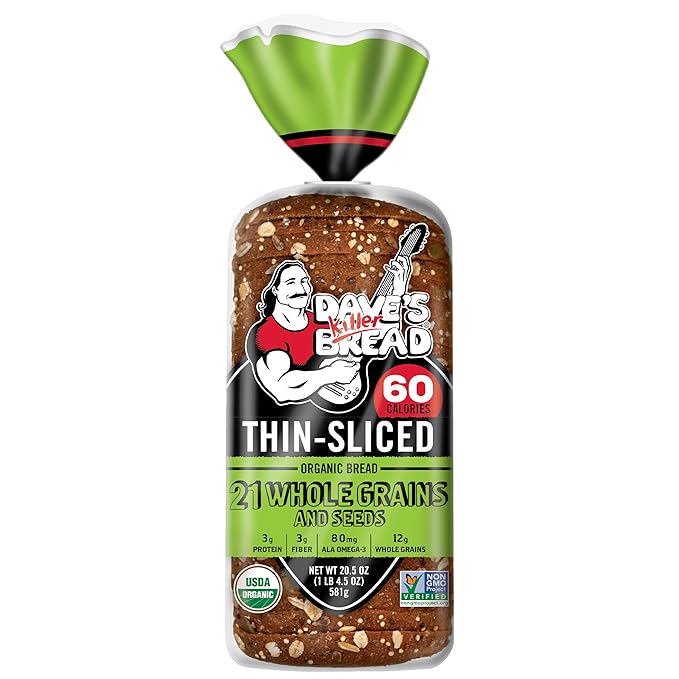
- Swap white bread for 100% whole-grain bread or sprouted grain bread. Check the label: first ingredient should say "whole wheat" or "sprouted wheat," not "enriched wheat flour."
- Swap sugary cereal for steel-cut or rolled oats. Even instant oats have a higher glycemic impact; steel-cut oats digest slowly and keep you satisfied longer.
- Swap regular pasta for chickpea, lentil, or whole-wheat pasta. Legume-based pastas are packed with fiber and protein, which blunt the insulin response.
- Swap crackers and chips for raw vegetables with hummus or a small handful of nuts. You still get crunch and satisfaction, but the fiber and healthy fats protect your insulin levels.
The one food category that hides in plain sight
Beyond the obvious bread and pasta, the most dangerous refined carb for PCOS is often liquid sugar. Soda, sweetened coffee drinks, fruit juice, and even 'natural' sports drinks are essentially refined carbs with zero fiber. These enter your bloodstream faster than any solid food. One can of cola can spike insulin as much as a whole meal. For many women with PCOS, cutting out sugar-sweetened beverages is the single most impactful change they can make.
Don't ignore the fat and protein sidekicks
A carb never acts alone. The insulin spike from a refined carb is much higher when eaten by itself than when paired with protein, healthy fat, or fiber. If you occasionally eat white rice, adding a generous portion of chicken, avocado, and vegetables will slow the digestion. This is the principle of "naked carbs" versus "dressed carbs." A naked carb is refined and eaten alone; a dressed carb is consumed with other nutrients. For PCOS, always dress your carbs.
What about fruit and starchy vegetables?
Whole fruits and starchy vegetables like sweet potatoes and corn are often unfairly lumped in with refined carbs. They come packaged with fiber, water, and a variety of micronutrients. For most women with PCOS, whole fruit is a healthy choice. The issue arises when fruit is juiced or dried without portion awareness. A whole apple is fine; a glass of apple juice is not. Your body treats them very differently. Eat your fruit, don't drink it.
A note on timing and portion size
Insulin sensitivity changes throughout the day. It's generally highest in the morning and decreases toward the evening. That's why a large bowl of refined pasta for dinner can hit your system harder than the same amount for lunch. If you're going to have a small portion of a refined carb, earlier in the day is usually better. But for sustainable symptom management, shifting the type of carb you eat consistently will yield more noticeable benefits than obsessing over timing alone.
Managing insulin spikes in PCOS doesn't require a perfect diet. It requires awareness and small, consistent swaps. Start with one meal a day. Replace the white rice with quinoa, or the crackers with veggie sticks. Within a few days, you'll likely notice more stable energy, fewer cravings, and a surprising lightness. Your body rewards you quickly when you stop throwing gasoline on the insulin fire.