If you live with sleep apnea, you already know that a good night’s rest depends on more than just your CPAP machine. The small choices you make in the hour or two before bed—especially what you drink—can either help or hurt your breathing patterns. While many people focus on avoiding heavy meals or screen time, one particular beverage stands out as a major trigger for worse apnea symptoms. Here’s the drink to skip, and what to sip instead.
Why that nightcap is working against you
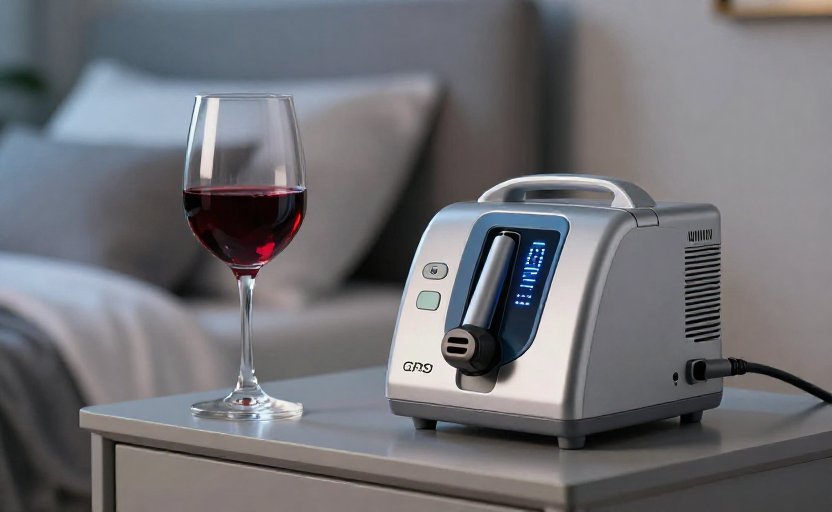
Alcohol is the single worst drink to consume before bed if you have sleep apnea. Even a single glass of wine or beer can loosen your throat muscles and suppress your brain’s ability to wake up when your airway closes. This combination leads to longer, more frequent apnea events and a deeper drop in blood oxygen levels.
A 2022 study in the journal Chest found that drinking alcohol within two hours of bedtime increased the severity of obstructive sleep apnea by more than 20 percent in participants who already had mild to moderate cases. The effect was even stronger in people who drank on an empty stomach.
Bottom line: Alcohol doesn’t cause sleep apnea, but it makes every episode more dangerous because your body is less able to self-correct.
How alcohol messes with your airway
To understand why alcohol is so problematic, it helps to know what happens during a normal apnea event. When you fall asleep, the muscles in your throat naturally relax. In someone with sleep apnea, those muscles relax too much, causing the airway to collapse. Alcohol intensifies this effect by acting as a central nervous system depressant.
- Muscle tone drops. Alcohol reduces the tone of the pharyngeal muscles, making collapse more likely.
- Arousal threshold rises. Your brain’s ability to sense a lack of oxygen and jerk you awake is blunted. You stay in the apnea event longer.
- Sleep architecture gets disrupted. You spend less time in restorative deep sleep and REM. Even if you sleep for eight hours, you wake up feeling exhausted.
This is why many people with sleep apnea report that even one drink leaves them feeling hungover or groggy the next morning—not because of dehydration alone, but because their breathing was interrupted all night long.
What about caffeine?
Caffeine is another drink to watch, but for a different reason. While caffeine doesn’t directly worsen airway collapse, it can delay sleep onset and reduce total sleep time. Less sleep means more opportunities for apnea events to occur in the limited hours you do sleep. If you have sleep apnea, it’s wise to avoid coffee, black tea, or energy drinks after 2 or 3 PM.
Why alcohol is actually worse than caffeine
It might seem that caffeine is the bigger threat because it keeps you awake, but alcohol is more dangerous for apnea specifically. Caffeine doesn’t depress your respiratory drive or prevent your brain from waking up to breathe. Alcohol does both. If you have to choose between a late coffee or a nightcap, the coffee is the lesser evil—though neither is ideal.
Better bedtime beverages
Staying hydrated is important for everyone, but it’s especially helpful for people with sleep apnea because dehydration can thicken mucus and make breathing feel heavier. Choose drinks that support calm and hydration without interfering with your airway.
- Plain water is the safest option. A small glass before bed is fine; just avoid chugging large amounts that will wake you up for bathroom trips.
- Herbal teas like chamomile, lavender, or passionflower are naturally caffeine-free and can promote relaxation without depressing your breathing.
- Warm golden milk (turmeric and a dash of cinnamon in warm milk or a plant-based alternative) offers a soothing ritual without alcohol or caffeine.
If you do choose a hot drink, keep it small—4 to 6 ounces—to avoid nighttime urination.
What if you don’t want to give up alcohol entirely?
Total abstinence isn’t realistic for everyone, and one occasional drink at a social event isn’t likely to cause lasting harm. However, if you have sleep apnea, you can reduce the risk by following a few guidelines:
- Stop drinking at least three hours before bed. This gives your body time to metabolize most of the alcohol before your head hits the pillow.
- Drink a full glass of water between each alcoholic beverage. This dilutes the alcohol and helps prevent dehydration.
- Eat a small snack with protein or healthy fat before you drink. Food slows alcohol absorption and reduces its peak effect on your airway.
- Use your CPAP or oral appliance even if you’ve had a drink. Some people skip their device after drinking because they feel “relaxed enough,” but this is the moment you need it most.
- A dry or sore throat (more than usual)
- A headache or feeling of grogginess that lasts beyond your first cup of water
- Irritability or brain fog that doesn’t clear by mid-morning
- A partner reports that your snoring was louder or more irregular than usual
Safety note: Never combine alcohol with sedative medications, including commonly prescribed sleep aids or muscle relaxants. The interaction can be life-threatening for someone with sleep apnea.
Recognizing the morning-after signs
Even if you don’t remember how you slept, your body gives you clues that alcohol interfered with your breathing. Take note if you wake up with any of these symptoms after a night that included drinking:
These signs suggest that your apnea was more severe that night. Consider it a signal to adjust your pre-bed habits.
The bigger picture: lifestyle and sleep apnea
Avoiding alcohol before bed is one step, but it works best as part of a broader approach to managing sleep apnea. Maintaining a healthy body weight, sleeping on your side, keeping your nasal passages clear, and staying consistent with your prescribed therapy all matter more than any single drink choice. The goal is to create an environment—both in your bedroom and in your body—where your airway stays open as naturally as possible.
If you find that your sleep quality is poor even after cutting out alcohol and following good sleep hygiene, talk to your sleep specialist. Your treatment plan may need adjustment, or there may be another underlying issue like nasal obstruction or a positional dependency that can be addressed.
For now, start with your drink of choice. Swap the wine or beer for a cup of chamomile tea or a glass of water, and see how you feel in the morning. Many people with sleep apnea notice a clear difference in their energy and focus within just a few days.