
Chronic worry often feels like it arrives out of nowhere. You wake up with a knot in your stomach, your mind loops the same anxious thoughts, and you can’t quite pinpoint why. But for many people, that persistent hum of anxiety is fed by two everyday habits that don’t get enough attention: what you sip throughout the day and how you scroll through your phone at night. Adjusting these two patterns can dial down the background noise of worry more than you might expect.
The First Habit: Sipping Caffeine All Day
A morning coffee or tea is a ritual for millions, and for good reason—it helps you focus and feel alert. The trouble starts when caffeine becomes a constant drip: a latte mid-morning, a cola with lunch, an energy drink to beat the afternoon slump, maybe even a cup of tea after dinner. By the time evening rolls around, your nervous system has been under low-grade stimulation for twelve hours or more.
Caffeine works by blocking adenosine, a neurotransmitter that promotes relaxation and sleep. When adenosine is blocked, your brain stays in a more alert, fight-or-flight state. For someone prone to worry, that edge of alertness can easily tip into anxiety. You might notice a faster heart rate, jittery hands, or that vague sense of unease that seems to have no clear cause. Research in the Journal of Anxiety Disorders has shown that even moderate caffeine intake can increase anxiety symptoms in people who are already sensitive to stress.
The fix isn’t to quit caffeine cold turkey—that can cause headaches and fatigue, which also fuel worry. Instead, try these adjustments:
- Cap your intake by noon. Caffeine has a half-life of about five hours, meaning half of it is still in your system at dinnertime if you drink it after noon. Set a cutoff time and stick to it.
- Switch to low-caffeine or caffeine-free alternatives in the afternoon. Herbal teas like chamomile, peppermint, or rooibos offer a warm, comforting drink without the jolt. Decaf coffee still has a tiny amount of caffeine, but much less than regular.
- Watch hidden sources. Green tea, black tea, and even some sodas have enough caffeine to matter. Chocolate contains a small amount of theobromine, a milder stimulant, but a large bar close to bed can be disruptive.
A good rule of thumb: if you can feel your heart pounding after your afternoon soda, that’s a sign your nervous system is getting more of a push than it needs.
The Second Habit: Scrolling Before Bed
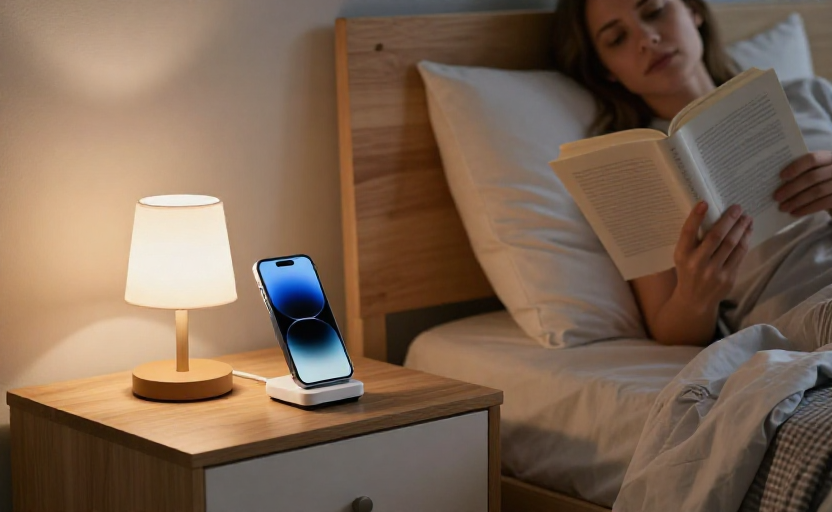
The second daily habit that fuels chronic worry is just as common: reaching for your phone the moment you get into bed. You might tell yourself you’re just checking the news, replying to a few messages, or unwinding with social media. But the blue light from screens suppresses melatonin production, and more importantly, the content you consume late at night often stokes anxiety.
News feeds, social media algorithms, and emails are designed to grab your attention—often with negative or alarming stories. When you expose yourself to that material right before sleep, your brain has no time to process or distance itself from the worry. Instead, it marinates while you try to sleep, leading to restless nights and more anxious thoughts the next day. A 2021 study in Sleep Medicine Reviews found that screen time before bed is strongly linked to poor sleep quality and higher levels of anxiety in adults.
Breaking the scroll-before-bed cycle can be simple but takes intention:
- Create a screen-free wind-down routine. Replace the phone with a book (paper or an e-reader with warm light), a few minutes of gentle stretching, or a warm bath. The goal is to signal to your brain that the day is ending.
- Charge your phone outside the bedroom. If you need an alarm, use a basic alarm clock. Removing the device from your immediate reach eliminates the temptation to check “just one more thing.”
- Set a digital curfew. Decide on a time—say, 30 minutes before lights-out—when you stop all screen use. Use that time for low-key relaxation.
Even fifteen minutes of screen-free wind-down can lower cortisol levels and help your mind settle before sleep.
How These Two Habits Work Together
What makes these two habits so insidious is that they feed each other. Caffeine keeps you alert and wired into the evening, which makes you more likely to pick up your phone when you can’t sleep. The phone’s blue light and worrying content then make it harder to fall asleep, leaving you tired the next day. And when you’re tired, you crave more caffeine to get through the afternoon—starting the cycle over again.
By addressing both habits, you can break that loop. The benefits often show up in a week or less: deeper sleep, fewer racing thoughts at bedtime, and a lower baseline of jittery energy during the day. That doesn’t mean all your worries vanish, but it does mean your body isn’t adding unnecessary fuel to the fire.
If you’ve been feeling stuck in a cycle of worry, these two small changes can be a powerful first step. They don’t require a complete lifestyle overhaul—just a few tweaks to what you drink and how you end your day. Give them a fair try for a week, and notice whether your mind feels a little quieter. Often, that’s all the encouragement you need to keep going.