
If you have breakouts on your back, you have probably tried everything to get rid of them. Scrubbing hard in the shower feels productive, like you are physically removing the problem. But that grapefruit-sized scrub with a rough loofah or a stiff-bristled brush is likely making things worse. It is one of the most common mistakes people make with back acne, and it is worth understanding why it backfires and what actually helps.
Back acne, or “bacne,” forms for the same reasons facial acne does: pores get clogged with oil, dead skin cells, and bacteria. The skin on your back is thicker than your face, but it is still delicate. When you scrub with force, you strip away the skin’s protective barrier, causing irritation, inflammation, and often more breakouts in the long run. Here is what you need to know to stop the cycle.
Why scrubbing hard inflames back acne
That raw, tight feeling after a vigorous scrub session might feel like cleanliness, but it is actually a sign of damage. The stratum corneum — the outermost layer of your skin — is a barrier made of dead skin cells held together by lipids. When you scrub aggressively, you remove these lipids and disrupt the barrier. This triggers an inflammatory response: the skin tries to repair itself by sending blood flow and immune cells to the area, which can make existing pimples redder, more swollen, and more painful.
Once the barrier is compromised, the skin becomes more vulnerable to bacteria like Cutibacterium acnes. It also loses moisture, which can lead to rebound oil production. That extra oil then mixes with the debris from broken skin cells, creating an ideal environment for new comedones and pustules. So instead of clearing your back, you are creating a feedback loop of irritation and breakouts.
A simple rule: If it hurts or leaves your skin feeling raw, you are scrubbing too hard. Gentle is the goal.
The difference between physical exfoliation and scrubbing
Physical exfoliation — using a gentle scrub or a soft cloth — can help remove dead skin cells and keep pores clear when done correctly. The key is method, not force. Gentle circular motions with a mild product (think finely ground oatmeal or jojoba beads, not crushed walnut shells) can be beneficial once or twice a week. Scrubbing, on the other hand, uses friction and pressure. It is the difference between lightly buffing a surface and sanding it down.
If you prefer physical exfoliation, look for products with smooth, dissolvable particles. A soft silicone body brush or a microfiber cloth is better than a rough loofah or a stiff-bristle brush for back acne. Apply minimal pressure, and do not go over the same area multiple times. Your skin should feel clean, not sore.
What actually works for back acne
Instead of mechanical force, focus on chemical exfoliation and consistent cleansing habits. Chemical exfoliants — like salicylic acid, glycolic acid, or lactic acid — work by dissolving the bonds that hold dead skin cells together, allowing them to slough off naturally without rubbing. They are generally more effective and less irritating for inflammatory back acne than physical scrubs, especially when you give them a few weeks to work.
How to use a chemical exfoliant on your back
- Look for a body spray or lotion containing 2% salicylic acid. Apply after a shower on dry skin, focusing on areas prone to breakouts.
- Start with once every other day. If your skin tolerates it well, you can move to daily use. Do not use a chemical exfoliant immediately after shaving or waxing.
- Glycolic acid (around 5–10%) is another good option for body use. It helps improve texture and can fade the dark spots left by old breakouts.
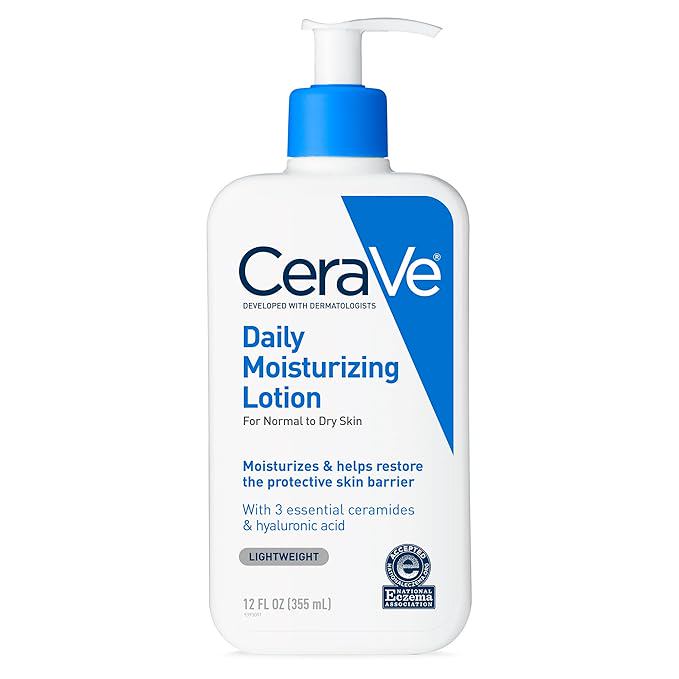
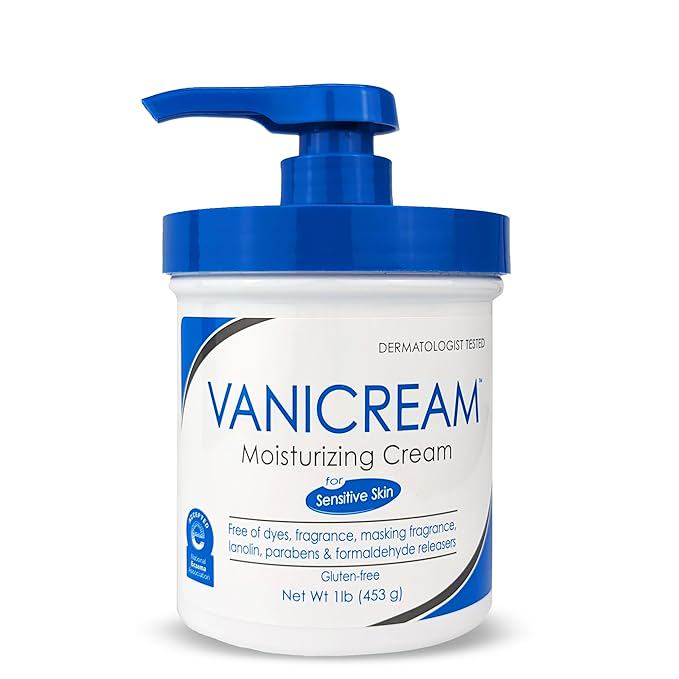
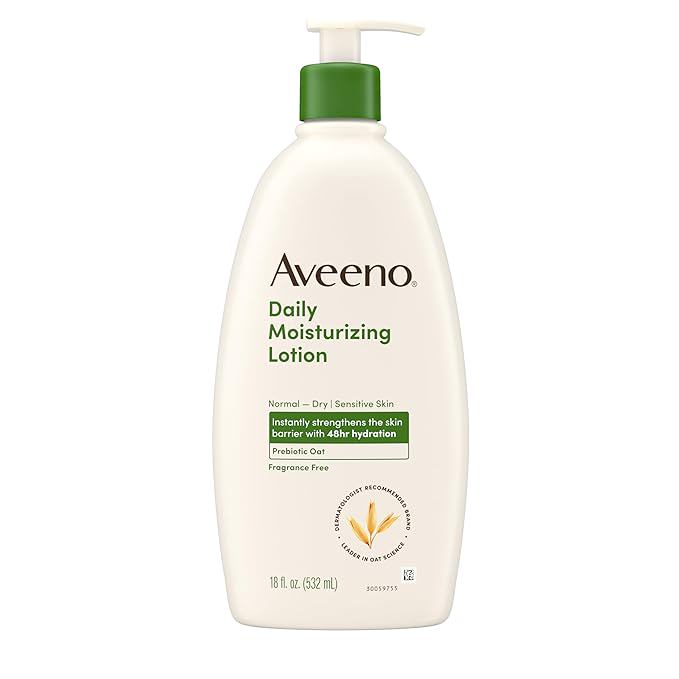
- Always follow with a fragrance-free, non-comedogenic moisturizer to support the skin barrier.
Cleansing habits that help prevent back acne
- Shower after sweating. Sweat mixed with oil and bacteria can clog pores quickly. A quick rinse with lukewarm water and a gentle body wash is enough.
- Use a body wash with active ingredients like benzoyl peroxide (for its antibacterial properties) or salicylic acid. Let it sit on your skin for 1–2 minutes before rinsing — this gives the ingredients time to work.
- Wash your back last in the shower so conditioner or shampoo residue does not linger. Rinse thoroughly.
- Change your sheets and pillowcases at least once a week, and consider wearing a clean cotton shirt to bed.
Avoid these common back acne triggers
Even with a good routine, certain habits can keep breakouts coming. Tight sports bras, backpacks, and synthetic workout clothes trap heat and sweat against the skin. If you can, choose loose, breathable fabrics and shower soon after exercise. Heavy, pore-clogging body lotions and sunscreens can also contribute. Look for labels that say “non-comedogenic” or “oil-free.”
And yes — that heavy conditioner or leave-in hair product running down your back in the shower can be a major culprit. Rinse your hair thoroughly before washing your body, or clip your hair up while you shower.
When to see a dermatologist
If you have tried gentle cleansing, chemical exfoliants, and lifestyle tweaks for 6–8 weeks without improvement, or if your back acne is painful, deep, or leaving scars, it is time for professional guidance. A dermatologist can recommend prescription topicals like clindamycin or adapalene, oral medications, or in-office treatments like chemical peels or laser therapy. There is no need to struggle alone — effective medical options exist.
Back acne is frustrating, but you do not have to scrub your way to relief. Step back, be gentle, and let the ingredients do the work. Your skin will thank you.