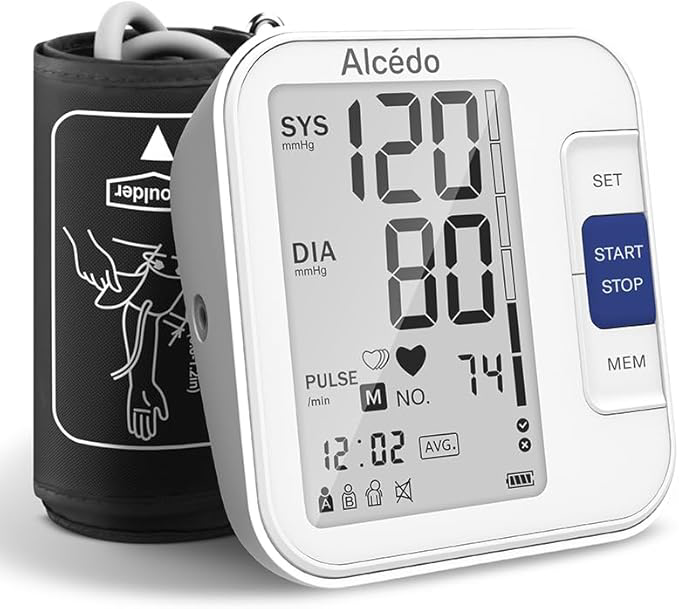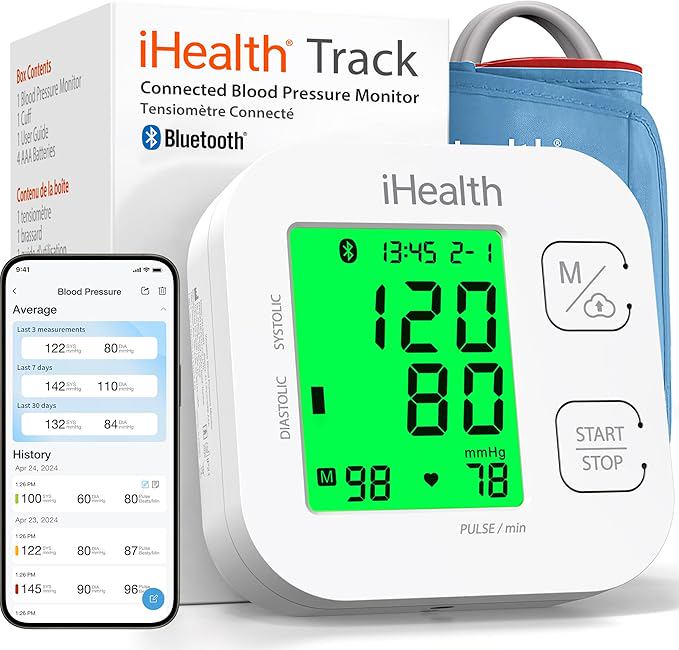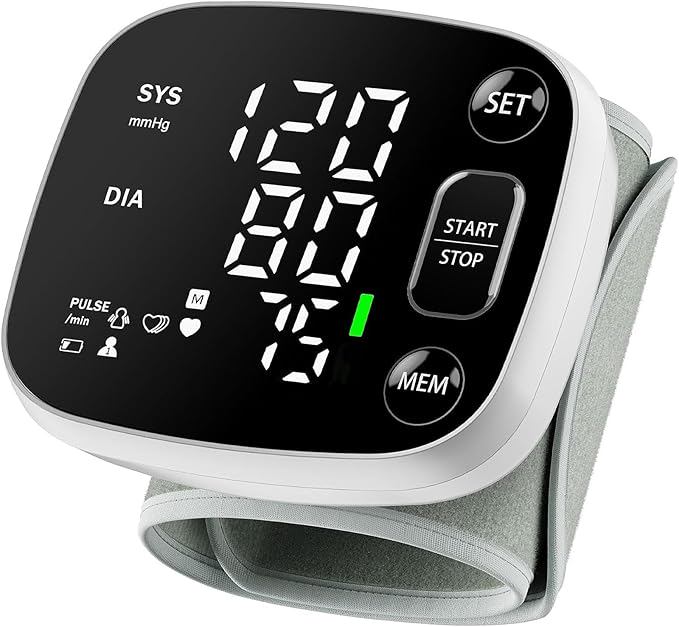
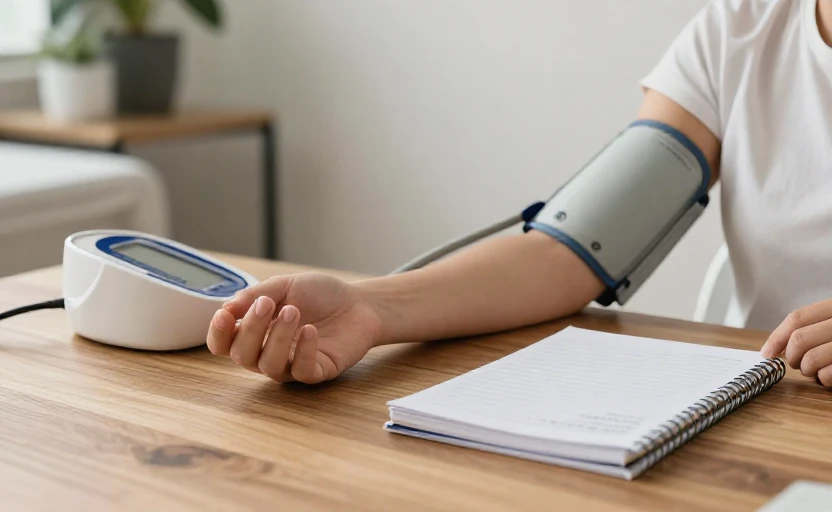
High blood pressure is often called a silent condition for a reason. It typically doesn’t announce itself with dramatic fanfare. There’s no flashing light or persistent alarm. Instead, it can develop quietly over years, its presence known only through the occasional reading at a pharmacy kiosk or a routine check-up. This very silence is what makes it so consequential. Learning to recognize the subtle, often-overlooked signs that warrant a doctor’s visit is a crucial act of self-care.
Understanding when to move from monitoring to action requires tuning into your body’s quieter signals and knowing the reliable triggers for professional evaluation. It’s about connecting dots between vague, everyday feelings and their potential underlying cause.
What Does “Silent” Really Feel Like?
The term “silent” can be misleading. It doesn’t always mean a complete absence of sensation. Sometimes, the symptoms are so common or mild that we dismiss them as stress, a long day, or simply getting older. They whisper rather than shout. You might notice a faint, persistent headache that settles at the back of your head in the morning, different from a tension headache or migraine. There could be occasional, brief spells of lightheadedness when you stand up too quickly, or a feeling of unexplained mental fog that makes concentration a struggle.
Persistent, low-grade symptoms that you’ve learned to live with are often the very ones that need a professional listen.
Other whispers include minor vision changes—like occasional blurriness that comes and goes—or a general sense of fatigue that isn’t relieved by rest. Nosebleeds that seem to occur more frequently without clear cause can also be a subtle signal. The key is a pattern: these aren’t one-off occurrences, but gentle, recurring nudges from your body.
Clear Signs It’s Time to Make an Appointment
While subtle signs are important, certain situations remove all ambiguity. If you experience any of the following, contacting a healthcare provider is a clear and urgent next step.
Consistently High Home Readings
If you’ve been monitoring your blood pressure at home and see a pattern of elevated numbers, it’s time to share that log with your doctor. Specifically, take action if you see multiple readings where the top number (systolic) is 130 or higher or the bottom number (diastolic) is 80 or higher. A single high reading might be an anomaly, but a trend is data your doctor needs.
Symptoms of Severely High Pressure
Some symptoms point to a more urgent situation that requires prompt medical attention. These include:
- Severe headache that comes on suddenly
- Chest pain or a feeling of pressure
- Difficulty breathing or shortness of breath
- Severe anxiety or confusion
- Nausea or vomiting
These can be signs of a hypertensive crisis, and seeking immediate care is essential.
Beyond Symptoms: Key Risk Factors That Prompt a Check
Sometimes, the decision to see a doctor isn’t based on a symptom at all, but on your personal history and lifestyle. Even if you feel fine, certain factors significantly increase your risk, making regular checks non-negotiable. If two or more of the following apply to you, scheduling a screening is a proactive move.
- Family History: A parent or sibling with hypertension.
- Age: Risk increases as we get older.
- Weight: Carrying extra weight puts more strain on the cardiovascular system.
- Dietary Patterns: Regularly consuming high-sodium, processed foods or excessive alcohol.
- Activity Level: A predominantly sedentary lifestyle.
- Stress: Chronic, unmanaged stress can contribute over time.
What to Expect When You Go
Taking that step to see a doctor can feel daunting, but knowing what to expect can ease anxiety. The visit will likely focus on gathering a complete picture. Your doctor will take several blood pressure readings, possibly in both arms. They’ll ask detailed questions about the symptoms you’ve noticed, their frequency, and your lifestyle. Be prepared to discuss your diet, exercise habits, stress levels, sleep quality, and family medical history honestly.
This conversation is a partnership. Your observations about your body are vital evidence. The goal is not to assign blame, but to understand the context of your health. From there, you and your doctor can create a realistic, personalized plan. This plan may involve lifestyle adjustments, regular monitoring, or other supportive steps—all aimed at bringing your numbers into a healthier range and protecting your long-term well-being.
The most important tool in managing blood pressure isn’t just a monitor; it’s an ongoing, honest dialogue with your healthcare provider.
Remember, seeking guidance at the first whisper of a problem, or because of known risk factors, is a sign of strength and awareness. It’s the act of choosing not to wait for the silence to break.