Feeling out of breath after climbing a flight of stairs or during a strenuous workout is a normal part of life. But when that breathlessness arrives unexpectedly, lingers, or feels out of proportion to your activity, it can be a signal worth listening to. While many causes are benign, shortness of breath is sometimes the heart’s way of asking for attention.
Understanding the difference between everyday exertion and a potential warning sign is a key part of self-awareness. The goal isn’t to foster anxiety, but to cultivate a calm, informed perspective. Here, we’ll explore three specific patterns of breathlessness that are more closely associated with heart function, helping you recognize when it might be time to consult a healthcare professional.
What does heart-related shortness of breath feel like?
It’s often described as more than just being “winded.” People may feel a deep, unsatisfying need for air, a tightness in the chest that accompanies the breathlessness, or a sensation that they simply cannot get enough oxygen, even at rest. It’s the context and the accompanying symptoms that often tell the most important story.
Unexpected breathlessness during routine activities is one of the most common signs that the heart may not be pumping efficiently.
The three warning signs
These patterns shift the focus from a single moment of breathlessness to a timeline of how and when it occurs. Paying attention to these contexts can provide clearer clues.
1. Breathlessness at rest or while lying flat
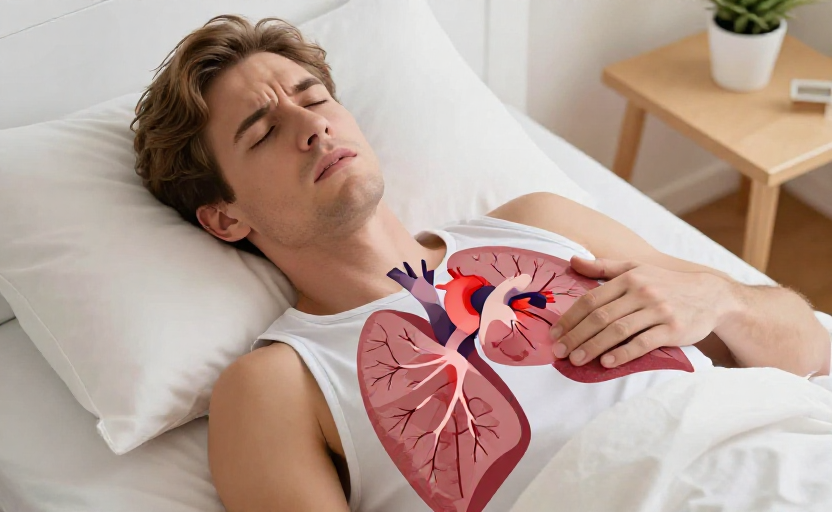
This is a significant signal. If you find yourself becoming short of breath while sitting quietly in a chair, watching television, or, classically, when trying to lie flat in bed, it warrants medical evaluation. This symptom, known medically as orthopnea, often leads people to prop themselves up with extra pillows to breathe easier (a condition called two- or three-pillow orthopnea).
What’s happening? When you lie down, blood volume from your legs redistributes to your chest. A heart that is struggling to pump effectively may not handle this extra return of blood efficiently, leading to fluid backing up into the lungs. This creates a feeling of drowning or suffocation that is relieved by sitting upright.
2. Breathlessness that wakes you from sleep
Closely related to the first sign, paroxysmal nocturnal dyspnea (PND) is a sudden, frightening episode of severe shortness of breath that awakens a person from sleep, usually one to two hours after falling asleep. It’s more intense than the difficulty lying down initially; it’s an acute attack that forces the person to bolt upright, often gasping, and move to a window for air.
The mechanism is similar: fluid accumulates in the lungs as you lie sleeping. The body’s response is a sudden, alarm-like awakening with a powerful feeling of air hunger. This is a distinct and urgent warning sign that should not be ignored.
3. Breathlessness disproportionate to exertion
We all get winded. The question is: how much activity triggered it? Heart-related breathlessness often appears with a level of activity that you used to handle with ease. Walking to the mailbox, making the bed, or unloading a few grocery bags—tasks that were once routine—now leave you panting and needing to stop and recover.
This isn’t about being “out of shape” in the usual sense. It’s a noticeable decline in your functional capacity over a relatively short period. The heart muscle may be weakened, unable to pump enough oxygen-rich blood to meet the body’s demands during even mild physical effort. The key marker is the change from your personal baseline.
What other symptoms often accompany these signs?
Shortness of breath rarely travels alone, especially when the heart is involved. Be mindful of these accompanying sensations:
- Swelling (Edema): Noticeable swelling in the feet, ankles, legs, or abdomen. This is caused by fluid retention as the heart’s pumping efficiency declines.
- Persistent Fatigue: An unusual, deep tiredness that isn’t relieved by rest, making everyday tasks feel overwhelming.
- Rapid or Irregular Heartbeat: A feeling of your heart racing, pounding, or fluttering uncomfortably in your chest (palpitations).
- Chest Discomfort: Not always dramatic pain. It can be pressure, tightness, heaviness, or a squeezing sensation in the center or left side of the chest.
What are the common heart conditions linked to this?
When breathlessness points to the heart, it’s often related to one of these underlying issues:
- Heart Failure: This doesn’t mean the heart has stopped. It means it’s not pumping blood as effectively as it should, often leading to fluid buildup (congestion) in the lungs and body—the direct cause of the breathlessness patterns described.
- Coronary Artery Disease (CAD)/Angina: Narrowed arteries limit blood flow to the heart muscle. When the heart muscle is starved for oxygen during exertion, it can cause chest pain and shortness of breath.
- Heart Valve Problems: Valves that don’t open or close properly disrupt the smooth flow of blood through the heart, forcing it to work harder, which can lead to breathlessness.
- Arrhythmias: Abnormal heart rhythms, whether too fast, too slow, or irregular, can prevent the heart from filling or pumping properly, reducing oxygen delivery.
When should you seek medical help?
Trust your instincts. If your breathlessness is new, unexplained, worsening, or interfering with your daily life, it’s time to make an appointment with your doctor. Seek immediate emergency care if shortness of breath is:
- Sudden and severe.
- Accompanied by chest pain, pressure, or pain that radiates to your arm, neck, or jaw.
- Paired with lightheadedness, fainting, or severe nausea.
- Causing a bluish tint to your lips or fingertips.
A calm conversation with your healthcare provider is the best next step. They will listen to your description, perform a physical exam, and may order tests like an electrocardiogram (ECG), chest X-ray, echocardiogram (heart ultrasound), or blood tests to determine the cause.
Managing breathlessness and supporting heart health
While diagnosis and treatment plans are for your doctor to determine, general lifestyle pillars support overall cardiovascular wellness and can help manage symptoms. Always discuss any new regimen with your provider first.
Movement matters. Once cleared by a doctor, regular, gentle activity like walking can improve heart efficiency and stamina. The key is pacing—activity and rest in balance.
Mind your sodium. Reducing sodium intake can help minimize fluid retention, easing the burden on your heart. This means reading labels and cooking more at home with fresh herbs and spices instead of salt.
Monitor fluid intake. For some with heart conditions, a doctor may recommend monitoring daily fluid consumption.
Practice paced breathing. Techniques like pursed-lip breathing (inhaling slowly through the nose, exhaling gently through pursed lips) can help control breathlessness during activity and reduce anxiety.
Elevate your head. If breathlessness at night is an issue, using a wedge pillow or raising the head of your bed can help prevent fluid accumulation.
Recognizing these warning signs empowers you to be an active participant in your health. Shortness of breath is a message from your body. By understanding its more serious patterns, you can ensure that message is heard and addressed with the appropriate care and attention.