For anyone navigating PCOS, the space between meals can feel like a nutritional minefield. When blood sugar dips and cravings strike, reaching for the wrong snack can send insulin surging and hormones further out of balance. But the right between-meal bite does the opposite: it supports steady glucose levels, provides building blocks for healthy hormone production, and keeps energy even through a long afternoon.
The snacks below are designed with those goals in mind. They emphasize fiber, protein, healthy fats, and nutrient density—the same principles that help manage PCOS symptoms over the long term. These are not rigid prescriptions; think of them as a flexible framework you can adapt to your taste, budget, and schedule.
Why the Right Snack Matters for PCOS
Polycystic ovary syndrome is closely tied to how the body processes insulin. Many people with PCOS experience insulin resistance, meaning cells don't respond efficiently to insulin's signal to take up glucose. The pancreas compensates by pumping out more insulin, which in turn can stimulate the ovaries to produce excess androgens—the hormonal imbalance that drives many PCOS symptoms.
A well-chosen snack can interrupt that cycle. Pairing carbohydrates with protein, fiber, or fat slows digestion and blunts the blood sugar spike. When glucose rises and falls more gently, insulin stays lower and hormonal signaling improves. Over time, this pattern can help reduce acne, hirsutism, irregular cycles, and weight gain related to insulin resistance.
Key Principles for PCOS-Friendly Snacking
Before listing specific foods, it helps to know what makes a snack supportive for PCOS:
- Combine macronutrients. Aim for a source of protein or fat alongside any carbohydrate. Apple plus nut butter, or whole-grain crackers with cheese, is far better for blood sugar than fruit or crackers alone.
- Choose high-fiber carbs. Whole fruits, vegetables, legumes, and intact whole grains provide fiber that slows glucose absorption. Avoid refined carbs that lack fiber.
- Don't fear fat. Healthy unsaturated fats from nuts, seeds, avocado, and olive oil support cell membrane function and help the body absorb fat-soluble vitamins. Fat also increases satiety.
- Watch for hidden sugars. Many seemingly healthy snack bars, yogurts, and granolas contain added sugar that can spike insulin. Always check labels.
One simple rule of thumb: if you can eat a snack with your eyes closed and still know exactly what's in it, you're on the right track.
Protein-Packed Mini Meals
Protein is especially important for PCOS. It promotes fullness, stabilizes blood sugar, and provides the amino acids needed for liver detoxification and hormone metabolism. These snacks double as small meals when hunger is higher.
- Greek yogurt parfait. Plain Greek yogurt (a great source of protein) topped with a small handful of berries and a tablespoon of chopped almonds or pumpkin seeds. Avoid flavored yogurts, which are often sweetened with added sugar or syrups.
- Roasted chickpeas. Drain a can of chickpeas, pat them dry, toss with olive oil and spices (cinnamon and cumin work well), and roast at 400°F until crispy. This provides fiber, protein, and a satisfying crunch.
- Turkey roll-ups. Slices of nitrate-free turkey wrapped around cucumber spears, red bell pepper strips, or a smear of hummus. Roll and go.
- Cottage cheese with flaxseed. Half a cup of cottage cheese topped with ground flaxseeds and black pepper. Flaxseeds supply alpha-linolenic acid (a type of omega-3) and lignans, which may help balance hormones.
Quick Fats and Fiber Combinations
Sometimes you need a snack that requires zero prep. These options are shelf-stable or easily portable, and they all deliver the fat-fiber-protein triad that keeps blood sugar steady.
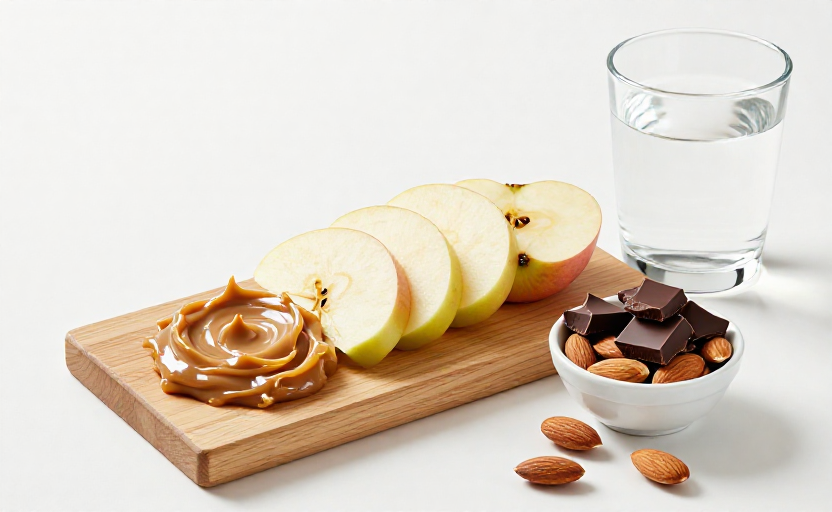
- Apple with almond butter. The apple supplies soluble fiber (pectin) while almond butter adds protein, monounsaturated fat, and vitamin E. Choose unsweetened almond butter to avoid added sugar.
- Dark chocolate and almonds. A square of 70% or higher dark chocolate paired with a small handful of almonds. The chocolate contains magnesium (often low in PCOS) and antioxidants; almonds provide protein and healthy fat.
- Green olives and cheese cubes. Olives are rich in monounsaturated fat and polyphenols. A few cheese cubes add protein and calcium. This combination is naturally low in carbohydrates.
- Edamame. Steamed soybeans (fresh or frozen, then microwaved) are a complete plant protein and provide fiber, iron, and folate. Sprinkle with a little sea salt or chili flakes.
Snacks That Feel Like a Treat
Even when balancing hormones, there is room for snacks that feel satisfying and pleasurable. The key is to build them around whole-food ingredients that do not sabotage blood sugar.
- Banana ice cream. Freeze a ripe banana, then blend it until smooth. The result is a creamy, sweet base that resembles soft-serve. For extra staying power, stir in a spoonful of peanut butter or a few dark chocolate chips.
- Chia pudding. Mix 2 tablespoons of chia seeds with half a cup of unsweetened almond milk, a dash of vanilla, and a pinch of cinnamon. Let it sit in the fridge for at least 20 minutes or overnight. Top with berries and unsweetened coconut flakes.
- Avocado cocoa mousse. Blend half a ripe avocado with 1 tablespoon of unsweetened cocoa powder, a teaspoon of maple syrup, and a splash of vanilla. It sounds unusual, but the texture is remarkably rich and mousse-like.
What About Portion Size?
PCOS-friendly snacks are nutrient-dense, but they still contain calories. Portion awareness matters, especially if weight management is a goal. A general guide: aim for snacks that provide roughly 150–250 calories, depending on your activity level and meal timing. Listen to your body's hunger and fullness cues rather than eating by the clock.
The Bottom Line
Snacking with PCOS is not about deprivation. It is about choosing foods that work with your physiology rather than against it. Every small, balanced snack is a chance to support your insulin sensitivity, lower inflammation, and create a more stable environment for hormone production. Over weeks and months, these micro-choices add up to meaningful change.