If you're navigating life with PCOS, you've likely heard the term 'insulin resistance' more than a few times. It's not just a buzzword; it's a core part of the puzzle for many. When your cells don't respond well to insulin, your pancreas has to work overtime, pumping out more and more. This excess insulin can drive up androgen levels, making PCOS symptoms more pronounced and making weight management feel like an uphill battle. The good news? The food choices you make every day are one of the most powerful tools you have to support your body's insulin sensitivity and find a greater sense of balance.
This isn't about a short-term diet or a list of forbidden foods. It's about building a sustainable, nourishing way of eating that helps steady your blood sugar, reduces inflammation, and supports your overall well-being. Think of it less as restriction and more as strategic nourishment—giving your body the right building blocks to function at its best.
How does insulin resistance affect PCOS?
To understand the connection, picture insulin as a key. Its job is to unlock your cells so glucose (sugar) from your bloodstream can enter and be used for energy. With insulin resistance, the locks on your cells become a bit rusty. The key doesn't fit as well, so glucose piles up outside the door. Your pancreas, seeing the high blood sugar, sends out even more insulin keys to try and force the lock.
This creates a cycle of high insulin and high blood glucose. In PCOS, those high insulin levels can directly stimulate the ovaries to produce more testosterone, worsening symptoms like irregular periods, acne, and unwanted hair growth. They also signal your body to store fat, particularly around the abdomen. Breaking this cycle through lifestyle choices, especially eating patterns, is a foundational step in managing PCOS.
Building your plate for better blood sugar
The goal is to avoid sharp spikes and crashes in blood glucose. This creates a more stable hormonal environment. You can achieve this by focusing on three key components in your meals: fiber, protein, and healthy fats. Together, they slow down the digestion and absorption of carbohydrates, leading to a gentler, more manageable rise in blood sugar.
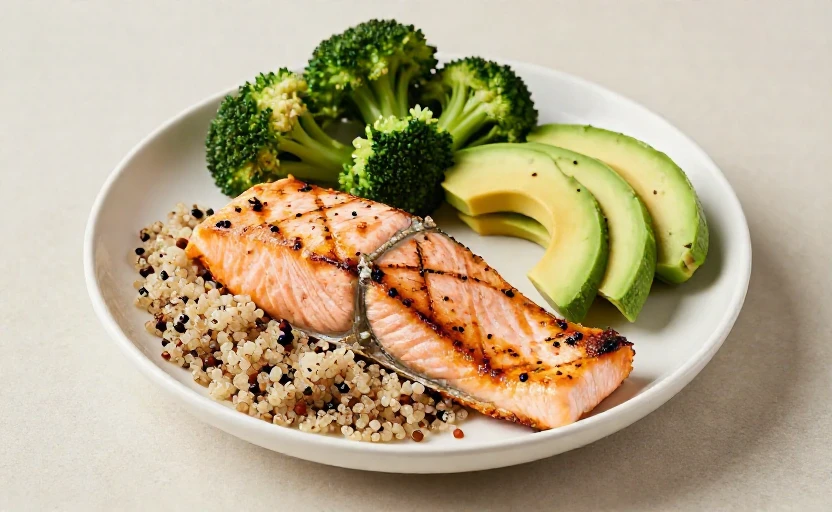
Imagine your plate divided. Aim to fill:
- Half with non-starchy vegetables: Leafy greens, broccoli, peppers, zucchini, tomatoes, cauliflower. These are rich in fiber, vitamins, and antioxidants with minimal impact on blood sugar.
- A quarter with lean protein: Chicken, fish, tofu, tempeh, eggs, legumes, or lentils. Protein is essential for satiety and has a minimal direct effect on blood sugar.
- A quarter with high-fiber, complex carbohydrates: Think quinoa, sweet potato, brown rice, oats, or beans. These provide energy along with fiber.
Don't forget a serving of healthy fat—like avocado, olives, nuts, seeds, or a drizzle of olive oil—to complete the meal and further slow digestion.
Start by adding, not subtracting. Focus on getting more fiber and protein onto your plate first. This often naturally crowds out less supportive choices.
Foods to emphasize
Shifting your focus to what you can abundantly enjoy is more empowering than a list of restrictions. These foods are your allies.
Fiber is your friend
Fiber, especially the soluble kind found in foods like oats, apples, beans, and flaxseeds, forms a gel in your gut. This slows everything down, including the release of glucose into your bloodstream. It also feeds your beneficial gut bacteria, which is linked to improved metabolic health.
Lean proteins and healthy fats
Including a source of protein and fat with every meal and snack is a game-changer. A handful of almonds with an apple, Greek yogurt with berries, or chicken in your salad—these combinations prevent the rapid blood sugar rise you'd get from eating a carbohydrate alone.
Anti-inflammatory choices
Chronic inflammation often accompanies insulin resistance. Incorporating foods like fatty fish (saldom, sardines), walnuts, turmeric, ginger, and an array of colorful berries and vegetables can help calm this internal fire.
Foods to be mindful of
It's not about never having these foods, but about understanding their impact and enjoying them thoughtfully.
Refined carbohydrates and added sugars are the primary drivers of blood sugar spikes. This includes white bread, pastries, sugary cereals, soda, and many processed snacks. They are digested rapidly, flooding your bloodstream with glucose and demanding a large insulin response.
Sugary beverages are particularly problematic because the liquid sugar is absorbed so quickly, without the buffering effect of fiber or fat. Swapping soda or sweetened coffee drinks for water, herbal tea, or sparkling water is one of the most effective single changes you can make.
For many, being mindful of saturated and trans fats (found in fried foods, fatty cuts of red meat, and many packaged goods) is also wise, as they can worsen insulin resistance and inflammation.
Putting it into practice: Simple strategies
Knowledge is one thing; daily practice is another. Here are a few realistic ways to apply these principles.
Pair your carbs. Never eat a naked carbohydrate. If you want a piece of fruit, pair it with a handful of nuts or a spoonful of nut butter. Having toast? Top it with avocado and an egg.
Move after eating. A 10-15 minute walk after a meal can significantly improve how your body handles the glucose from that meal. It doesn't have to be intense—just moving your body helps.
Prioritize whole foods. The closer a food is to its natural state, the more fiber and nutrients it tends to have, and the less added sugar and refined ingredients. Cooking at home more often gives you full control over what goes on your plate.
Listen to your body. Notice how different foods make you feel. Do you feel energized and satisfied after a balanced meal, or sluggish and hungry an hour later? This feedback is invaluable.
A note on supplements and professional support
While food is foundational, some people with PCOS find certain supplements supportive under the guidance of a healthcare provider. Inositol, for example, is a supplement that has been studied for its role in improving insulin sensitivity in PCOS. Always discuss any new supplement with your doctor or a registered dietitian, as they can interact with conditions or medications.
Speaking of which, working with a registered dietitian (RD) or a healthcare provider who specializes in PCOS can be transformative. They can help you create a personalized plan that fits your lifestyle, preferences, and health goals, moving beyond generic advice.
Managing PCOS and insulin resistance is a journey, not a destination. There will be days that feel easier than others. The aim is progress, not perfection—building a pattern of eating that supports your health, honors your enjoyment of food, and helps you feel your best.