If you’re navigating a PCOS diagnosis, you’ve likely heard the term “hormonal imbalance” more than a few times. It can feel abstract, even frustrating—a label that explains everything and nothing at the same time. What’s actually happening in your body? And more importantly, what can you do about it? This isn’t about quick fixes or one-size-fits-all solutions, but about building a clear, grounded understanding of the condition. Let’s break down the complex interplay of hormones in PCOS and explore the practical, evidence-based approaches that can help you find a better balance.
Polycystic Ovary Syndrome is fundamentally an endocrine disorder. Think of your endocrine system as a sophisticated communication network, using hormones as chemical messengers. In PCOS, several key messengers start sending conflicting or amplified signals, disrupting the delicate rhythm of your reproductive system, metabolism, and more. It’s this systemic miscommunication that creates the wide-ranging symptoms—from irregular periods and ovarian cysts to weight changes, skin issues, and mood fluctuations.
What Does “Hormonal Imbalance” in PCOS Actually Mean?
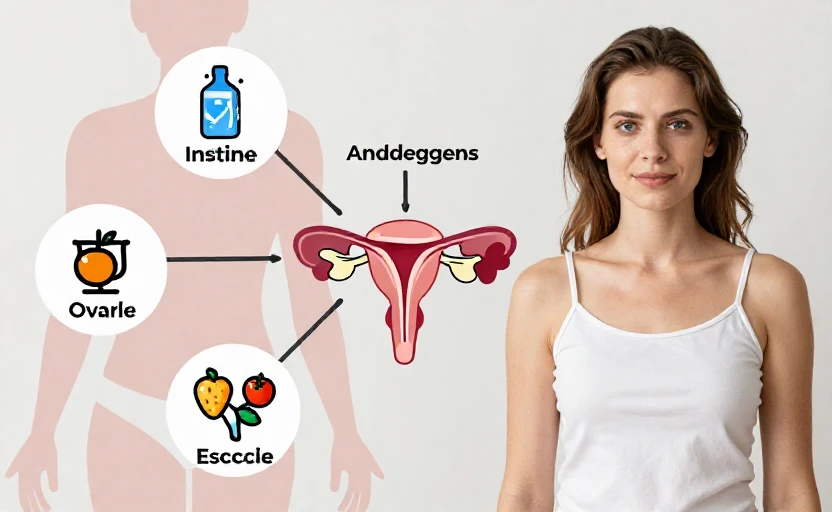
At its core, PCOS involves a few specific hormonal shifts that create a cascade of effects. The primary players are insulin and androgens, often working in a problematic cycle.
Many people with PCOS develop insulin resistance. This means your body’s cells don’t respond efficiently to insulin, the hormone that ushers glucose (sugar) from your bloodstream into cells for energy. Your pancreas then produces even more insulin to compensate. This elevated insulin doesn’t just affect blood sugar; it directly stimulates the ovaries to produce more androgens, like testosterone.
These androgens are often called “male hormones,” but everyone produces them. In higher amounts, they can interfere with ovulation, leading to irregular or absent periods and the development of small follicular cysts (the “polycystic” appearance). They also contribute to symptoms like acne, excess facial or body hair (hirsutism), and hair thinning on the scalp.
It’s helpful to view PCOS not as an isolated ovary issue, but as a whole-body metabolic and endocrine condition where hormones are in conversation—and sometimes in conflict.
Meanwhile, the hormonal signals that should trigger a regular menstrual cycle—follicle-stimulating hormone (FSH) and luteinizing hormone (LH)—are often out of sync. A common pattern is a higher ratio of LH to FSH, which further drives that excess androgen production.
Root Causes and Contributing Factors
While the exact cause of PCOS isn’t fully pinned down, research points to a combination of genetic and lifestyle factors that set the stage for this imbalance.
- Genetics: PCOS often runs in families. If a mother, sister, or aunt has it, your likelihood increases. Specific genes related to hormone production and insulin action are likely involved.
- Insulin Resistance: As discussed, this is a central driver for many. It can be influenced by genetics but is also significantly impacted by diet, physical activity levels, and body composition.
- Low-Grade Inflammation: People with PCOS often have chronic, low-level inflammation. This inflammation can stimulate polycystic ovaries to produce androgens and is linked to insulin resistance.
- Lifestyle and Environment: Diet, stress, sleep quality, and environmental exposures don’t “cause” PCOS in someone not predisposed, but they profoundly influence the severity of symptoms. Chronic stress, for example, raises cortisol, which can further disrupt insulin and blood sugar balance.
Managing the Imbalance: A Multi-Faceted Approach
Management focuses on interrupting the disruptive cycles, symptom relief, and long-term health protection. Because PCOS manifests differently for everyone, an individualized plan developed with a healthcare provider is essential.
Nutrition and Dietary Patterns
Food is not a cure, but it is a powerful tool for managing insulin resistance and inflammation. The goal isn’t a restrictive diet, but a sustainable eating pattern.
Focus on balancing blood sugar. This often means emphasizing:
- High-fiber foods (vegetables, fruits, legumes, whole grains)
- Lean proteins
- Healthy fats (like those from avocados, nuts, seeds, and olive oil)
Pairing carbohydrates with protein or fat can slow their absorption, preventing sharp insulin spikes. Reducing intake of highly processed foods, sugary drinks, and refined carbohydrates is generally beneficial for improving insulin sensitivity.
Movement and Physical Activity
Exercise improves insulin sensitivity independently of weight loss. Both aerobic exercise (like brisk walking, cycling) and strength training are valuable. Muscle is metabolically active tissue that helps manage blood glucose. Consistency with movement you enjoy is far more important than intensity.
Stress Management and Sleep
Chronic stress exacerbates hormonal dysregulation. Practices that calm the nervous system—such as mindful meditation, yoga, deep breathing, or simply prioritizing hobbies—can help modulate cortisol levels. Similarly, prioritizing quality sleep is non-negotiable; poor sleep worsens insulin resistance and hunger hormones.
Medical and Supplemental Support
Always consult a doctor before starting any new supplement or medication. Common supportive options include:
- Inositol: A B-vitamin-like compound that research shows can improve insulin sensitivity and ovarian function in PCOS.
- Vitamin D: Deficiency is common in PCOS and linked to insulin resistance; supplementation may help when levels are low.
- Medications: Metformin is sometimes prescribed to improve insulin sensitivity. Birth control pills can regulate cycles and lower androgen effects on skin and hair. Anti-androgen medications may also be used for specific symptoms.
Remember, management is a marathon, not a sprint. Small, consistent steps in these areas can collectively make a significant impact on how you feel and your long-term metabolic health. Working with a compassionate healthcare team—which might include an endocrinologist, a registered dietitian, and a mental health professional—provides the best support for navigating this journey toward balance.