If you have ever used hormonal birth control and wondered what it actually does to your cycle, you are not alone. Many people confuse “stopping ovulation” with “stopping a period,” or assume that taking the pill means the body still releases an egg each month. The reality is more nuanced, and understanding the mechanics can help you make informed choices about your reproductive health. Below is a straightforward look at how ovulation and hormonal contraception interact, what that means for fertility, and what you can expect from common methods.
What does hormonal birth control do to ovulation?
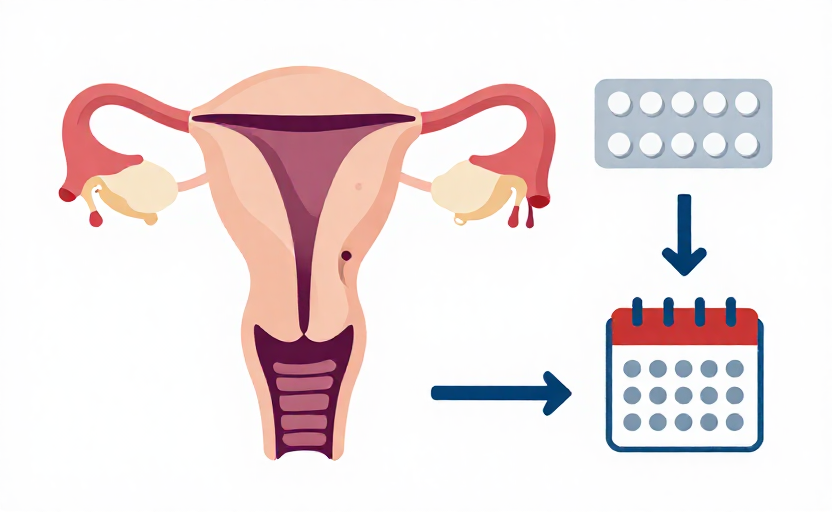
Most hormonal contraceptives—including the birth control pill, the patch, the vaginal ring, and some intrauterine devices (IUDs)—work primarily by preventing ovulation. The hormones in these methods, usually a combination of estrogen and progestin or progestin alone, signal the brain to stop producing the hormones that trigger an ovary to release an egg. Without that signal, the ovary rests and no egg is released.
It is important to note that not all methods suppress ovulation equally. The combination pill, for example, reliably stops ovulation in nearly every cycle when taken correctly. Progestin-only pills (sometimes called the mini-pill) may suppress ovulation less consistently; some users still ovulate, but the pill also thickens cervical mucus so sperm cannot easily reach the egg. Copper IUDs, which are non-hormonal, do not stop ovulation at all—they prevent pregnancy by creating a sperm-hostile environment in the uterus.
Bottom line: If you are on a hormonal method that consistently stops ovulation, you do not release an egg during that cycle. That is why the method is effective.
If you do not ovulate, do you still have a period?
This is a common point of confusion. When you take active hormone pills (or wear a patch or ring) and then take a break—the placebo week—you will experience a withdrawal bleed. That bleed looks and feels like a period, but it is not caused by ovulation. During a natural cycle, ovulation triggers a rise in progesterone, and if pregnancy does not occur, progesterone drops and the uterine lining sheds. On hormonal birth control, the withdrawal bleed is a response to the drop in hormones during the placebo interval. It is a scheduled, predictable event, not a true menstrual period.
For extended-use methods such as the hormonal IUD or the implant, many users experience light or absent bleeding after the first few months. That does not mean ovulation has returned; it means the uterine lining stays thin and does not build up enough to shed. This is considered safe and normal.
When does ovulation return after stopping birth control?
Once you stop using hormonal contraception, the body needs time to resume its own hormonal signaling. For most people, ovulation returns quickly—often within a few weeks. Research suggests that about 80% of people who stop the pill will ovulate in the first cycle, though the first cycle may be longer or shorter than usual. For injectable methods such as the Depo-Provera shot, it can take longer (up to 10–12 months) for regular ovulation to resume.
- Pill, patch, ring: Ovulation can return within 1–2 months; many people conceive soon after stopping.
- Hormonal IUD or implant: Ovulation resumes within a month or two after removal.
- Depo-Provera shot: Delayed return; ovulation may not resume for 6–12 months after the last shot.
Does birth control affect your egg supply or future fertility?
No. Hormonal birth control does not deplete your ovarian reserve, cause early menopause, or reduce your chances of getting pregnant later in life. It simply puts a temporary pause on ovulation. The eggs you are born with remain in your ovaries; they are not used up or damaged during the months or years you are on contraception. Once you stop using birth control, the same pool of eggs is available, and ovulation typically resumes as described above.
Can you track ovulation while on birth control?
That depends on the method. If you are on combination hormonal contraception that reliably stops ovulation, tracking ovulation by temperature or cervical mucus is not meaningful—you are not ovulating, so the signs will be absent or misleading. With progestin-only methods or copper IUDs, some people still ovulate, so tracking can be possible but less reliable. For anyone who wants to track ovulation while using contraception, a fertility awareness method should be used with caution, and ideally with guidance from a healthcare provider.
A quick look at how different methods compare
The table below gives a snapshot of how various birth control methods interact with ovulation and the menstrual cycle.
- Combination pill (estrogen + progestin): Suppresses ovulation consistently. Withdrawal bleed during placebo week.
- Progestin-only pill: May or may not suppress ovulation; thickens cervical mucus. Irregular bleeding is common.
- Contraceptive patch / ring: Same mechanism as combination pill. Ovulation is suppressed.
- Hormonal IUD (Mirena, Kyleena, Liletta, Skyla): Suppresses ovulation in many users; thins uterine lining. Bleeding may become light or absent.
- Copper IUD (Paragard): Does not stop ovulation. Periods may be heavier or more crampy.
- Implant (Nexplanon): Suppresses ovulation for most users. Irregular spotting is common.
- Depo-Provera shot: Suppresses ovulation. Delayed return to fertility after stopping.
Real questions about ovulation and birth control
Here are some of the most common questions people have about this topic, answered in plain language.
- Can you get pregnant if you ovulate while on the pill? Yes, but it is rare for combination pills. For progestin-only pills or other methods where ovulation may occur, correct use still provides protection through backup mechanisms (thickened cervical mucus, thin uterine lining).
- Does the pill stop you from releasing an egg every single month? When taken as directed, yes. But if you miss pills, ovulation can happen unexpectedly.
- Is it safe to skip the placebo week and not have a bleed? Yes. Many people skip the placebo week deliberately (with the support of their provider) and do not experience any ill effects. It does not mean ovulation is occurring.
- Can hormonal birth control cause early menopause? No. There is no evidence that hormonal contraception triggers early menopause or speeds up the natural decline in egg count.
Understanding how ovulation fits into the picture of birth control can help you choose a method that matches your needs and know what to expect if you stop it one day. If you have concerns about your cycle, fertility, or birth control side effects, speaking with a healthcare provider is always a good next step.