You know the feeling—that mid-morning mental fog that makes focusing a struggle, or the afternoon slump that drains your motivation. While a quick sugar hit might offer a fleeting buzz, it often leads to a sharper crash. The secret to steady, sustained mental energy isn't found in a magic pill, but often in your breakfast bowl. Oatmeal, with its complex carbohydrates and fiber, provides a perfect foundation. The real power, however, comes from what you put on top.
We spoke with nutrition experts to uncover the toppings that transform a simple bowl of oats into a brain-fueling powerhouse. These additions aren't just about taste; they're chosen for their specific nutrients that support cognitive function, stabilize blood sugar, and keep your energy levels even for hours.
What makes a topping good for mental energy?
Mental clarity and endurance are fueled by a constant, gentle supply of glucose to the brain, paired with nutrients that protect brain cells and optimize neurotransmitter function. The ideal toppings for mental energy do one or more of the following:
- Provide healthy fats and protein to slow digestion, preventing blood sugar spikes and crashes.
- Offer key micronutrients like B vitamins (crucial for energy production), magnesium (for nerve function), and antioxidants (to combat oxidative stress).
- Contain fiber to further promote steady energy release.
The goal is to build a bowl that balances macronutrients—carbs from the oats, plus protein and fat from your toppings—for a sustained release of energy.
Top nutritionist-backed toppings
Here are the categories and specific additions that come highly recommended for keeping your mind sharp and energized.
Seeds and nuts
These are tiny nutrient powerhouses. A tablespoon or two can make a significant difference.
Chia seeds or flaxseeds: Rich in alpha-linolenic acid (ALA), a plant-based omega-3 fat that supports brain cell structure. They also swell with liquid, adding soluble fiber that helps you feel full and stabilizes energy. Sprinkle them on and let your oatmeal sit for a minute to thicken.
Walnuts: Often called "brain food" for their shape, they genuinely earn the title. Walnuts are one of the best plant sources of omega-3s and also contain antioxidants and vitamin E. Chop a few and stir them in for a satisfying crunch.
Pumpkin seeds (pepitas): An excellent source of magnesium, iron, zinc, and protein. Magnesium is involved in hundreds of biochemical reactions, including those related to brain function and mood regulation.
Nut and seed butters
For a creamier, richer bowl that packs a protein punch, swirl in a spoonful.
Almond butter or peanut butter: Provides healthy fats, protein, and vitamin E. The combination of fat and protein is key for slowing the absorption of carbohydrates, leading to a longer-lasting energy supply. Opt for natural varieties without added sugars or oils.
Tahini (sesame seed paste): A less common but brilliant addition. It's rich in B vitamins, calcium, and healthy fats, offering a slightly savory, complex flavor that pairs wonderfully with sweet toppings like fruit or a drizzle of honey.
Fruits (fresh, frozen, or dried)
Fruit adds natural sweetness, fiber, and a host of vitamins. The fiber content is what makes fruit a better choice than straight sugar for mental energy.
Berries (blueberries, raspberries, strawberries): Bursting with antioxidants called flavonoids, which have been linked to improved communication between brain cells and reduced oxidative stress. Use fresh or frozen—frozen berries often thaw perfectly into a warm bowl.
Bananas: A classic for good reason. They offer potassium for nerve function and a type of fiber that supports gut health, which is increasingly connected to brain health. They also add natural creaminess.
A small handful of goji berries or chopped dates: These are more concentrated in sugar, so a little goes a long way. They provide iron and antioxidants, and their natural sweetness can help satisfy a sweet tooth without refined sugar.
The flavor and functional enhancers
These final touches can elevate both taste and nutritional profile.
A sprinkle of cinnamon: More than just a warming spice, cinnamon may help regulate blood sugar levels, preventing the dips that lead to brain fog.
Cacao nibs or a dusting of unsweetened cocoa powder: For chocolate lovers, this is a win. Cacao is rich in flavonoids and contains a small amount of natural caffeine and theobromine, which can gently enhance alertness and mood without jitters.
A dollop of Greek yogurt or a splash of kefir: Adds a significant protein boost and probiotics. The protein supports sustained energy, and a healthy gut microbiome is a cornerstone of overall well-being, including cognitive function.
How to build your perfect bowl
You don't need to use everything at once. A simple formula works best: Oats + 1-2 protein/fat sources + 1 fruit + 1 spice/extra.
For example:
- Oats, almond butter, blueberries, and a dash of cinnamon.
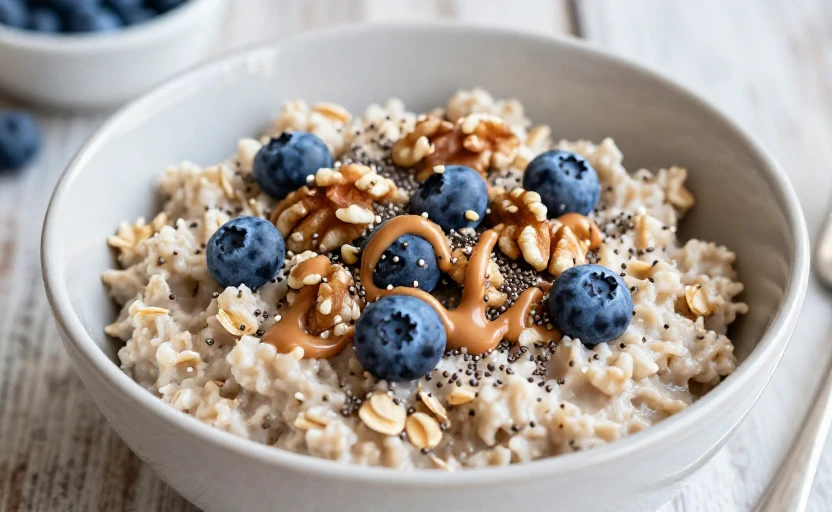
- Oats, chia seeds, sliced banana, and a few walnut pieces.
- Oats, a spoonful of tahini, diced apple warmed with the oats, and a sprinkle of pumpkin seeds.
Experiment to find combinations you enjoy. When you look forward to your breakfast, you're more likely to stick with a habit that fuels your mind all morning long. By choosing toppings with intention, you turn your morning oatmeal into a strategic and delicious investment in your mental energy for the day ahead.