2 common mistakes that keep your cortisol levels high all day
Two daily habits—morning overstimulation and chronic low-grade stress—keep your cortisol high. Learn what to change starting tomorrow.
Discover articles, guides, and practical insights for a healthier lifestyle.
Two daily habits—morning overstimulation and chronic low-grade stress—keep your cortisol high. Learn what to change starting tomorrow.

New parents often overlook two patterns that intensify postpartum mood triggers. Learn what they are and how sensory breaks and trigger tracking help.
Dietitians share what to drink for postpartum mood stability: hydrating teas, electrolyte drinks, bone broth, and simple swaps to ease anxiety and support emotional balance.

Sleep experts explain why coffee and sugary drinks can ruin your nap, and what to drink instead for real restorative rest.

Avoid heavy meals, caffeine, sugar, spicy foods, and too much water before a nap. Learn why these foods sabotage rest and what to eat instead for a refreshing break.

Five everyday situations that can reactivate childhood trauma, from feeling dismissed to facing conflict, plus grounding strategies to help you respond with awareness.

Does your stress feel overwhelming for no clear reason? These four warning signs suggest your stress response may be triggered by unresolved childhood trauma.
Four specific, evidence-informed lifestyle changes you can make today to help lower cortisol and adrenaline without medication, backed by how the stress system actually works.
Small daily habits like caffeine, late-night screen time, skipped meals, and clutter can trigger postpartum mood swings. Learn how to identify and manage these hidden triggers.


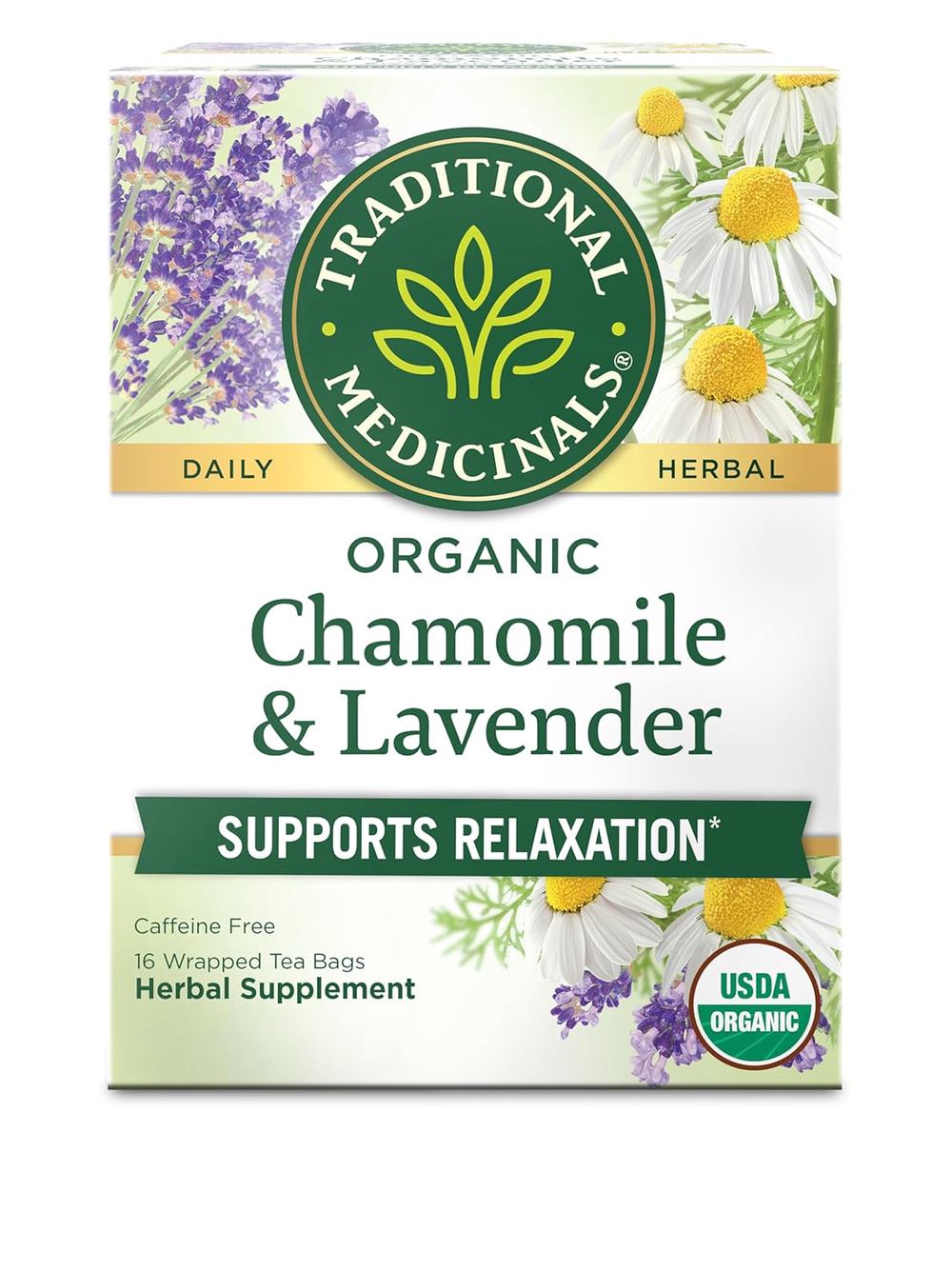
Traditional Medicinals Organic, Chamomile & Lavender - Chamomile Tea Supporting Stress Relief and Relaxation - Kosher, Non-GMO, Caffeine-Free, Compostable - 16 Tea Bags
Check it out

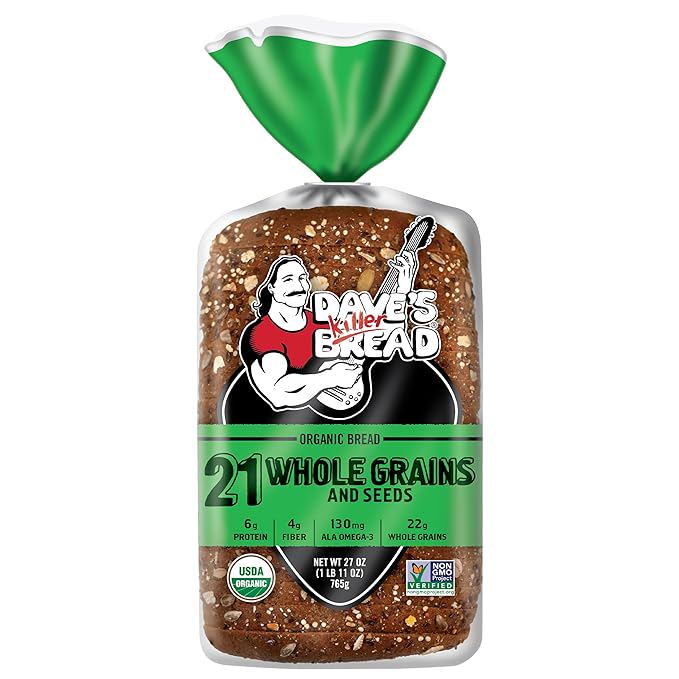
Dave's Killer Bread 21 Whole Grains and Seeds, Whole Grain Organic Bread, 27 oz Loaf
Check it out