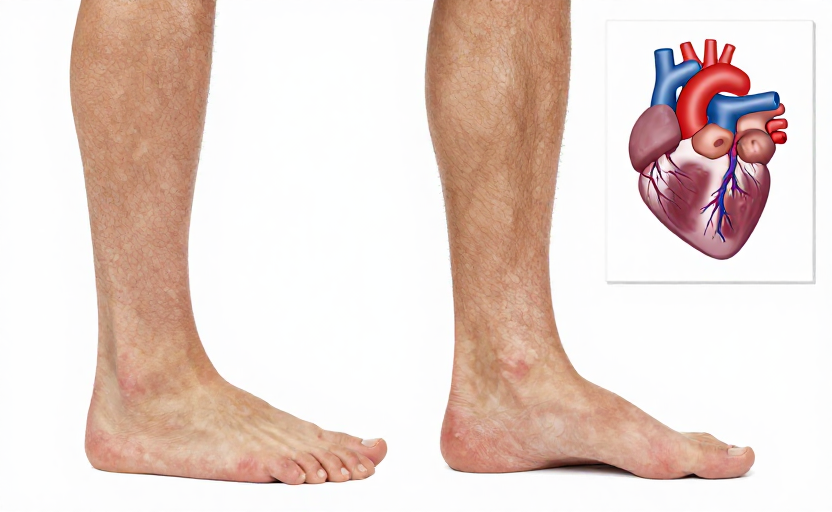
You notice it first when you take off your socks at the end of the day—a distinct indentation left in your skin. Or perhaps your favorite shoes feel unexpectedly snug. Leg swelling, medically known as edema, is a common experience, often brushed off as a result of a long day on your feet, salty food, or hot weather. While these are frequent culprits, persistent or significant swelling in your legs, ankles, or feet can sometimes be a quiet signal from your heart, asking for attention.
Your heart and your circulatory system are in a constant, delicate dance. When the heart's pumping efficiency is compromised, it can create a backup of pressure in your veins, much like a traffic jam on a highway. This pressure can push fluid out of your blood vessels and into the surrounding tissues of your lower extremities, leading to swelling. Understanding when this symptom might be related to your heart is a crucial piece of personal health awareness.
When Should Leg Swelling Raise Concern?
Not all swelling is created equal. The key is to look at the context and the companion symptoms. Occasional, mild puffiness that resolves with elevation or a good night's sleep is usually benign. The signs that warrant a conversation with your doctor are more pronounced and persistent.
1. Swelling That Is Persistent or Worsens
This is the most telling sign. Benign swelling from standing all day typically improves with rest and leg elevation. Swelling related to heart concerns often doesn't fully go away overnight and may gradually worsen over days or weeks. If you press your thumb firmly into the swollen area for a few seconds and it leaves a deep, lasting dent (pitting edema), it's a clear indicator that fluid has accumulated in the tissues and needs medical evaluation.
2. Accompanied by Shortness of Breath
This combination is a significant red flag. If your leg swelling coincides with new or worsening shortness of breath—especially when lying flat, at night, or with minimal exertion—it strongly suggests your heart may be struggling. This occurs because fluid backing up from the heart isn't just pooling in your legs; it can also accumulate in your lungs, a condition called pulmonary edema. Waking up gasping for air or needing extra pillows to breathe comfortably are specific signs not to ignore.
3. Rapid Weight Gain
Swelling is essentially retained fluid, and fluid has weight. A sudden, unexplained weight gain of more than 2-3 pounds in a day or 5 pounds in a week can be a more measurable sign of fluid retention than just looking at your ankles. This rapid gain often precedes noticeable swelling and is a key metric doctors use to monitor heart failure.
4. Swelling in Other Areas
While legs and ankles are common sites, pay attention if you notice swelling spreading to your abdomen, causing a feeling of fullness or bloating. This can indicate fluid accumulation in the abdominal cavity, often associated with right-sided heart strain.
5. Associated Fatigue and Reduced Activity
Heart-related swelling rarely travels alone. It's often part of a constellation of symptoms driven by the heart's reduced ability to pump oxygen-rich blood efficiently to your muscles and organs. You may feel profoundly tired, weak, or find that activities you used to do easily—like climbing stairs or walking the dog—now leave you unusually winded and exhausted.
What's Happening in Your Body?
To understand the link, it helps to visualize your circulatory system. Your heart's right side pumps blood to your lungs to pick up oxygen. The left side then pumps that oxygen-rich blood out to your entire body. When the heart muscle is weakened or stiffened by conditions like coronary artery disease, high blood pressure, or a previous heart attack (collectively potential causes of heart failure), it can't pump effectively.
This inefficiency causes blood to back up in the veins. Think of it as a pump that's lost some of its power; the outflow slows, causing a logjam behind it. The increased pressure in the veins, particularly those farthest from the heart in the legs, forces fluid out through the capillary walls into the surrounding tissue. Simultaneously, the kidneys may respond to reduced blood flow by retaining more sodium and water, compounding the fluid buildup.
Leg swelling is a symptom, not a diagnosis. Its connection to your heart is determined by the full picture of your health and other accompanying signs.
Other Possible Causes of Leg Swelling
It's vital to maintain perspective. Many conditions unrelated to the heart can cause similar swelling. A thorough medical evaluation is essential to find the true cause. Other common contributors include:
- Venous insufficiency: Weakened valves in your leg veins struggle to return blood to the heart, causing pooling and swelling. This often causes aching, heaviness, and visible varicose veins.
- Kidney disease: When kidneys aren't filtering properly, fluid and sodium can build up in the body, often causing swelling around the eyes and in the legs.
- Liver disease: Impaired liver function can affect protein production and blood pressure in abdominal veins, leading to fluid retention.
- Medication side effects: Some drugs for blood pressure (like calcium channel blockers), diabetes, steroids, and NSAIDs can cause edema.
- Lymphedema: A blockage in the lymphatic system prevents proper drainage of lymph fluid, often causing firm swelling.
What to Do If You're Concerned
If you recognize the warning sign patterns—especially swelling with shortness of breath, rapid weight gain, or fatigue—schedule an appointment with your primary care doctor or a cardiologist. Do not stop taking any prescribed medications without consulting your physician.
To prepare for your visit, take note of:
- When the swelling started and if it's changed.
- What makes it better or worse (e.g., elevation, time of day).
- Any other new symptoms, no matter how minor they seem.
- Your exact weight pattern over recent weeks.
- A complete list of all medications and supplements you take.
Your doctor will likely perform a physical exam, listen to your heart and lungs, and may order tests such as an echocardiogram (an ultrasound of the heart), blood tests (like BNP, which can indicate heart strain), a chest X-ray, or an electrocardiogram (EKG).
Caring for Your Heart Every Day
While addressing symptoms is critical, long-term heart health is built on daily habits. Managing underlying conditions like hypertension and diabetes is paramount. A heart-smart lifestyle includes a balanced diet rich in vegetables, fruits, and lean proteins while limiting processed foods and excess sodium, which directly influences fluid retention. Regular physical activity, as tolerated and approved by your doctor, strengthens the heart muscle. Prioritizing quality sleep and managing stress through techniques like mindful breathing also support overall cardiovascular resilience.
Listening to your body's signals is a powerful form of self-care. Leg swelling can be one of those signals. By understanding when it might be more than just tired feet, you empower yourself to seek timely guidance and take an active role in your heart's well-being.