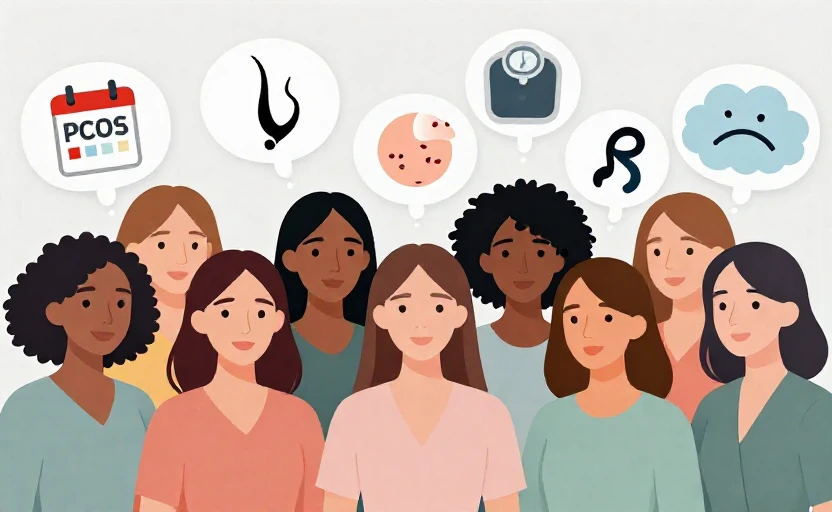
When you think of Polycystic Ovary Syndrome (PCOS), the first thing that likely comes to mind is irregular periods. It’s the hallmark symptom, the one most often discussed. But for many, the story of PCOS is written in quieter, more subtle signs that can appear years before a cycle becomes noticeably erratic—or even alongside a seemingly regular one. These less-discussed symptoms are crucial to recognize, as they paint a fuller picture of what’s happening in the body and can point you toward the right conversations with your healthcare provider.
PCOS is fundamentally a hormonal and metabolic condition. It involves an imbalance of reproductive hormones, often leading to higher levels of androgens (sometimes called "male hormones," though everyone has them) and issues with insulin regulation. This underlying imbalance doesn't just affect the ovaries; it sends ripples throughout the entire system. That’s why the clues can show up in your skin, your hair, your energy levels, and your mood.
What are the subtle signs of PCOS?
Looking beyond the menstrual calendar requires tuning into other changes your body might be signaling. These signs are often dismissed as separate annoyances, but together, they can form a pattern suggestive of PCOS.
Skin and hair changes you might notice
Elevated androgen levels can directly affect hair follicles and oil glands. This isn't just about an occasional pimple. We're talking about persistent, sometimes stubborn, changes.
- Hirsutism: This is the growth of coarse, dark hair in areas where men typically grow hair, such as the chin, upper lip, sideburns, chest, abdomen, or back. The key is that it's new growth or a noticeable thickening of fine hair (vellus hair) that was already there.
- Thinning scalp hair (androgenic alopecia): Ironically, while hair grows more thickly on the body, the opposite can happen on the head. You might notice a widening part, more hair than usual in your brush or shower drain, or overall thinning, particularly at the crown.
- Severe or persistent acne: Acne that continues well beyond the teenage years, is concentrated along the jawline and chin, or doesn't respond well to typical over-the-counter treatments can be a clue. It's often cystic and deep.
- Acanthosis nigricans: This presents as dark, velvety patches of skin, usually in body folds like the neck, underarms, groin, or under the breasts. It's a skin marker of insulin resistance, a common companion to PCOS.
Shifts in weight and energy
Many with PCOS describe a frustrating relationship with weight, particularly around the midsection. This isn't a matter of willpower; it's physiology. Insulin resistance makes it harder for the body to use glucose for energy, prompting it to store more as fat. The result can be:
- Unexplained weight gain or difficulty losing weight despite effort.
- A persistent feeling of fatigue or low energy, especially after meals.
- Intense cravings for carbohydrates or sugary foods, as blood sugar levels fluctuate.
If you feel like your body is working against you in the weight department, it might be. This metabolic component is a core feature of PCOS for many, not a side effect.
Mood and sleep disturbances
The hormonal rollercoaster of PCOS doesn't spare your mental well-being. Fluctuations can significantly impact mood and sleep patterns.
- Increased anxiety or depression: The link is strong, though the direction isn't always clear—hormones affect mood, and the stress of managing chronic symptoms affects hormones.
- Sleep problems: This includes insomnia or sleep apnea. The latter is more common in PCOS, potentially related to weight and hormonal factors, and can manifest as loud snoring, gasping for air at night, and unrefreshing sleep.
Other physical clues
Some symptoms are easy to overlook or attribute to other causes.
- Pelvic pain: While not always present, some experience a dull ache or heaviness in the pelvic area, possibly related to enlarged ovaries.
- Skin tags: Small, soft growths of skin, often in the same areas as acanthosis nigricans (neck, armpits).
- Fertility challenges: For those trying to conceive, difficulty getting pregnant can be the first major sign that leads to a PCOS diagnosis, as irregular ovulation is a key feature.
Why is this pattern of symptoms so important?
Recognizing these subtle signs matters because PCOS is more than a reproductive issue; it's a whole-body condition with long-term health implications. An early and accurate diagnosis opens the door to management strategies that can improve quality of life now and reduce future risks.
Left unmanaged, the insulin resistance associated with PCOS can increase the risk for type 2 diabetes, high cholesterol, and heart disease. The hormonal environment may also increase the risk for endometrial hyperplasia. This isn't meant to alarm, but to emphasize that understanding these symptoms is a proactive step toward health.
What should you do if you recognize these signs?
If this list resonates with you, the next step is a conversation, not a self-diagnosis. Bring your observations to a healthcare provider—a primary care doctor, gynecologist, or endocrinologist. Be specific. Instead of saying "I have acne," you might say, "I've had persistent, deep cystic acne along my jawline for years that doesn't respond to typical treatments, and I've also noticed increased facial hair." Tracking your periods and symptoms in an app or journal can provide invaluable data.
Diagnosis typically follows the Rotterdam criteria, where a person needs to meet two of three conditions: irregular ovulation/periods, clinical or biochemical signs of high androgens (like those skin and hair changes), and polycystic ovaries on an ultrasound. Your provider will likely run blood tests to check hormone levels, androgens, and glucose metabolism.
Remember, you are the expert on your own body. Noticing these subtle signals and advocating for yourself is the most powerful first step toward getting the answers and support you need.