Feeling off, but not sure why? For many, the line between a hormonal condition like Polycystic Ovary Syndrome (PCOS) and the physical effects of chronic stress can feel frustratingly blurry. Fatigue, irregular cycles, mood changes, and weight fluctuations are common to both. This overlap can lead to confusion, misdirected efforts, and delayed care. Understanding the distinct patterns and root causes of your symptoms is the first, crucial step toward finding the right support and effective management strategies.
This isn't about self-diagnosis, but about becoming a more informed partner in your own health. By learning the typical hallmarks of each, you can have more productive conversations with your healthcare provider and advocate for the investigations that make sense for your unique picture.
Where PCOS and stress symptoms overlap
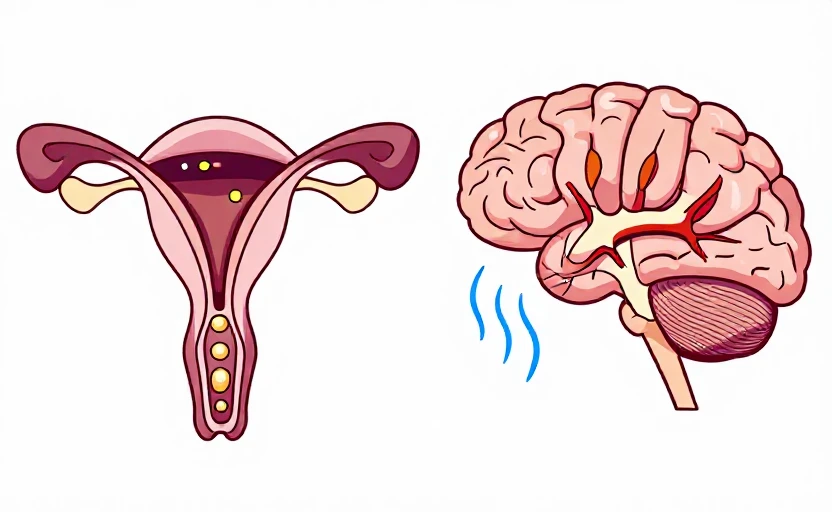
The body’s systems are deeply interconnected, which is why stress and PCOS can manifest in surprisingly similar ways. Both can disrupt the delicate hypothalamic-pituitary-ovarian (HPO) axis, which governs your menstrual cycle and hormone production. When this axis is thrown off balance—whether by hormonal insulin resistance in PCOS or by the flood of cortisol from chronic stress—the downstream effects can look alike.
You might experience irregular periods or missed cycles with both. Unexplained weight gain, particularly around the abdomen, is a frequent complaint. Both states are strongly linked to persistent fatigue that isn’t relieved by sleep, as well as to mood disturbances like anxiety, irritability, or low mood. Changes in skin and hair, such as acne or hair thinning, can also occur. This shared symptom profile is exactly why careful discernment is needed.
The distinctive hallmarks of PCOS
PCOS is a whole-body endocrine condition, not just an ovarian one. Its diagnosis typically requires meeting at least two of three specific criteria, which help distinguish it from stress-related issues.
Irregular ovulation is a core feature, often presenting as fewer than eight menstrual periods a year or cycles that are consistently longer than 35 days. This is due to a hormonal environment that prevents the ovary from reliably releasing an egg.
Elevated androgens, or "male" hormones like testosterone, are a key differentiator. While stress can mildly influence androgens, in PCOS the elevation is more significant and leads to physical signs like persistent facial or body hair growth (hirsutism), treatment-resistant acne along the jawline and chin, and in some cases, male-pattern hair thinning on the scalp.
Polycystic ovaries visible on an ultrasound, while not required for diagnosis and sometimes present in people without PCOS, refer to a higher-than-average number of small follicles on the ovaries. It’s important to note that these are not true cysts.
PCOS is a lifelong metabolic condition, while stress symptoms are a state the body enters in response to pressure. One is a diagnosis, the other is a physiological response.
The role of insulin resistance
A driving factor behind PCOS for many is insulin resistance, where the body’s cells don’t respond well to insulin. This leads to higher insulin levels, which in turn stimulate the ovaries to produce more androgens and disrupt ovulation. This metabolic component is a central piece of the PCOS puzzle that isn’t typically a primary feature of stress alone.
When your body is shouting “stress”
Chronic stress creates a sustained “fight-or-flight” mode, governed by the release of hormones like cortisol and adrenaline. While this system is designed for short-term threats, modern life can keep it constantly activated, leading to a wide array of physical symptoms.
The symptoms of chronic stress often have a more direct link to nervous system arousal. You might feel a constant sense of being “wired but tired”—exhausted yet unable to quiet your mind or relax your body. Physical tension in the shoulders, neck, and jaw is common, as are stress-related headaches or migraines. Digestive issues like bloating, cramps, or irritable bowel syndrome (IBS) flares are frequently tied to stress. Sleep problems often present as difficulty falling asleep due to racing thoughts, rather than simply feeling fatigued.
Critically, while stress can delay a period by a few days or weeks by temporarily disrupting signaling hormones, it is less likely to cause the prolonged absence of periods (many months) that is classic in PCOS. Stress-related skin and hair issues also tend to be less androgen-driven; you might get stress hives or temporary hair shedding from a condition like telogen effluvium, rather than coarse hair growth or patterned thinning.
Untangling your own pattern: Key questions to explore
Before your next doctor’s appointment, reflecting on these questions can help clarify the narrative of your health. Think about the timing, triggers, and nature of your symptoms.
- Timeline: Did your symptoms appear or worsen during a period of intense life stress (job change, loss, personal crisis)? Or have they been a persistent background presence for years, perhaps since your teens?
- Cycle pattern: Are your periods simply irregular, or are they absent for months at a time? Have you ever had a cycle longer than 60 or 90 days?
- Symptom constellation: Do you have multiple signs of high androgens (e.g., hair growth and persistent acne)? Or are your main issues fatigue, nervousness, and digestive upset?
- Stress correlation: Do your symptoms noticeably improve during truly relaxed periods, like a vacation? If they fade completely with rest, stress is a likely major contributor.
Working with a healthcare provider
Bringing your observations to a doctor is essential. They can help rule out other conditions and make an accurate assessment. Be prepared to discuss your full menstrual history, all your symptoms in detail, and any family history of PCOS, diabetes, or thyroid issues.
Diagnostic steps may include a physical exam, blood tests to check hormone levels (like androgens, AMH, LH/FSH ratio) and metabolic markers (like fasting insulin and glucose), and possibly a pelvic ultrasound. The goal is to look at the whole picture, not just one piece.
Remember, it’s also possible to have both PCOS and be in a state of high stress, with each exacerbating the other. Effective management often needs to address both the underlying hormonal condition and the current stress load.
Recognizing the difference between PCOS and stress is a process of attentive observation and professional guidance. By understanding the unique fingerprints of each, you move from feeling at the mercy of confusing symptoms to having a clearer map of your health. This clarity is the foundation for targeted, effective action, whether that involves hormonal management, stress-reduction techniques, or, most often, a compassionate combination of both.