When you think of polycystic ovary syndrome (PCOS), the first thing that likely comes to mind is an irregular menstrual cycle. It’s the hallmark symptom, the one most often discussed. But for many women, the story of PCOS begins with quieter, more subtle shifts in their body—changes that can be easy to dismiss or attribute to stress, aging, or just ‘how things are.’ These subtle signs are important messengers, offering clues long before a period becomes noticeably erratic. Learning to recognize them can be the first step toward understanding your body and seeking the right support.
PCOS is a complex hormonal condition that affects how the ovaries work. It’s not just about cysts on the ovaries; it’s a whole-body endocrine disorder. The classic triad of symptoms includes irregular periods, excess androgen (male hormone) levels, and polycystic ovaries on an ultrasound. However, you don’t need all three to be diagnosed. Because its roots are hormonal, the effects ripple outward, influencing everything from skin and hair to metabolism and mood. While an irregular cycle is a clear red flag, two other subtle signs can appear earlier or alongside it, often flying under the radar.
1. The Texture of Your Skin: More Than Just Adult Acne
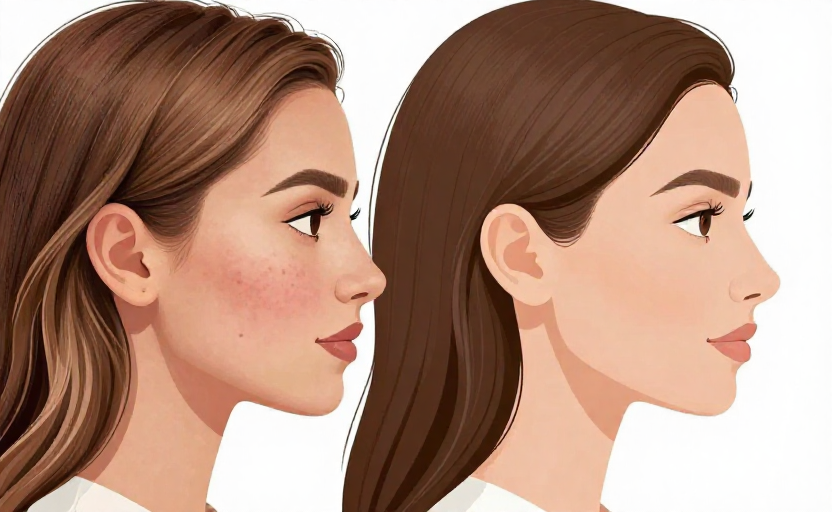
Many of us deal with the occasional breakout, but the skin changes linked to PCOS have a distinct pattern and persistence. This isn’t just about a pimple before your period. It’s often a consistent, stubborn issue, particularly along the jawline, chin, and upper neck. This type of acne tends to be deeper, more cystic, and less responsive to typical over-the-counter treatments.
The driver here is androgen hormones, like testosterone. In PCOS, the body may produce slightly higher levels of these hormones or be more sensitive to them. Androgens stimulate the oil glands in your skin, leading to increased oil production and clogged pores. This creates an environment where acne bacteria thrive.
If you find yourself constantly battling deep, painful acne along your jawline that doesn’t seem to align with your cycle or respond to usual skincare, it could be a signal worth exploring.
Another related, and often overlooked, skin sign is acanthosis nigricans. This presents as dark, velvety patches of skin, usually in body folds like the back of the neck, underarms, groin, or under the breasts. It’s not a rash or a stain; it has a distinct texture. This change is linked to insulin resistance, a common underlying feature of PCOS where the body’s cells don’t respond well to insulin. The skin cells in these areas react to high insulin levels by overgrowing and darkening. Noticing this texture change can be a crucial, visible clue to metabolic shifts happening internally.
2. The Changing Nature of Your Hair
Hair changes in PCOS are a tale of two extremes, both stemming from that same androgen hormone influence. On one end, you might notice hirsutism—the growth of coarse, dark hair in areas where men typically grow hair, such as the face (upper lip, chin, sideburns), chest, abdomen, back, or inner thighs. A few fine hairs are normal; hirsutism refers to a male-pattern distribution and texture. This growth can be slow and gradual, making it easy to explain away or manage with frequent removal, without considering the ‘why’ behind it.
On the other end of the spectrum is hair loss or thinning on the scalp, known as female-pattern hair loss or androgenetic alopecia. This doesn’t usually cause bald patches. Instead, you might notice your part widening, more scalp visibility when your hair is pulled back, or simply that your ponytail feels much thinner than it used to. You may find more hair in your brush, shower drain, or on your pillow.
This paradox—more hair in some places, less in others—is classic for hormonal imbalances. The hair follicles on your scalp are sensitive to androgens, which can miniaturize them over time, leading to finer, shorter hairs that don’t reach the length they once did. It’s a distressing symptom because it feels directly tied to identity, and it often progresses slowly enough that you question if you’re imagining it.
Why These Signs Matter
Paying attention to these subtle signs is about more than symptom management. They are external indicators of your internal hormonal landscape. Recognizing them can lead to earlier conversations with a healthcare provider, which is vital. PCOS is associated with long-term health considerations, including an increased risk for type 2 diabetes, high cholesterol, high blood pressure, and endometrial health. An earlier diagnosis allows for earlier lifestyle and medical interventions that can profoundly impact long-term wellness and quality of life.
Furthermore, these symptoms—the persistent acne, the unwanted hair growth, the hair thinning—carry a significant emotional and psychological weight. They can affect self-esteem, body image, and mental health. Validating that these are real symptoms of a medical condition, not a personal failing or a lack of grooming, can be a powerful relief.
What to Do If This Sounds Familiar
If you’re recognizing these subtle signs in yourself, the next step is to approach a healthcare professional. A diagnosis of PCOS is typically made using the Rotterdam criteria, where a person needs to meet two of these three conditions:
- Irregular or absent ovulation (shown by irregular or absent periods).
- Clinical or biochemical signs of high androgens (like the acne or hair changes described, or shown in a blood test).
- Polycystic ovaries on an ultrasound scan.
Come prepared to your appointment. Track your periods if you can. Take notes on your symptoms—when you first noticed them, how they’ve changed. Photograph skin or hair changes if that feels helpful. Describe their impact on your life. This information gives your doctor a clearer picture.
Diagnosis often involves a detailed conversation, a physical exam, blood tests to check hormone and glucose levels, and sometimes a pelvic ultrasound. It’s also a process of ruling out other conditions that can mimic PCOS, such as thyroid disorders.
Your journey to understanding your body is valid. Bringing these subtle signs to light is an act of self-advocacy.
While there is no cure for PCOS, its symptoms are highly manageable. Treatment is personalized and may include lifestyle approaches focused on nutrition and gentle, consistent movement, which can improve insulin sensitivity and hormone balance. Medications might be used to regulate cycles, manage androgen-related symptoms, or address insulin resistance. The goal is to manage the symptoms that bother you most and protect your long-term health.
Listen to those quiet signals your body is sending. That stubborn jawline acne, the new dark texture on your neck, the thinning of your hair or growth in unexpected places—they might be more than isolated annoyances. They could be important pieces of a larger puzzle, guiding you toward a clearer understanding of your health and well-being.