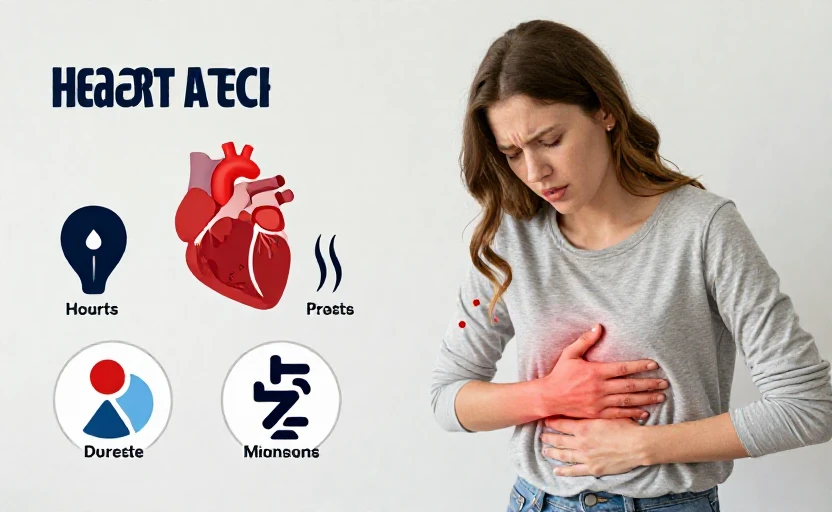
You’re sitting down after a meal, maybe a rich one, and a familiar, uncomfortable burning starts to rise in your chest. It’s probably just heartburn, you think. But a small, nagging voice wonders: Could this be something more serious? That moment of uncertainty is more common than you might think. While heartburn and a heart attack are vastly different in cause and severity, their symptoms can overlap in ways that make telling them apart genuinely difficult—and critically important.
Understanding the nuances isn't about fostering anxiety, but about cultivating a calm, informed awareness. Your body sends signals; learning to interpret them correctly empowers you to seek the right help at the right time. This guide walks you through the distinct and shared sensations, helping you move from uncertainty to clarity.
The Language of Discomfort: Common and Confusing Symptoms
Both conditions create sensations in the same general region—your chest, throat, and upper abdomen—which is the root of the confusion. Here’s where their stories can sound similar.
Shared sensations can include:
- A burning, pressure, or tightness in the chest, often behind the breastbone.
- Pain that may radiate upward to the neck, jaw, or throat.
- A sour or acidic taste in the mouth (more typical of heartburn, but sometimes reported during cardiac events).
- Shortness of breath or a feeling of being winded.
- Nausea or an upset stomach.
Because of this overlap, never dismiss severe or unusual chest discomfort as “just indigestion” without careful consideration. The stakes are simply too high.
Listening for the Distinct Cues
While they share a stage, heartburn and heart attack usually deliver different performances. Paying attention to the specific qualities of the pain, its triggers, and what provides relief can offer crucial clues.
The Profile of Heartburn (Acid Reflux)
Heartburn is a digestive issue, caused by stomach acid flowing back up into your esophagus. Its characteristics tend to follow a predictable pattern.
The burning sensation typically starts low in the chest or upper abdomen and moves upward. It often feels like your meal is coming back with a fiery edge. This discomfort is frequently tied to specific triggers: lying down after eating, bending over, or consuming spicy, fatty, or acidic foods and large meals.
A key sign: Heartburn usually improves with antacids or by sitting upright. If standing up or taking an antacid makes the pain fade within minutes, it points toward reflux.
The pain itself is often described as sharp and burning, localized to one area. While it can be intense, it doesn’t usually come with the systemic, overwhelming symptoms that accompany a heart attack.
The Profile of a Heart Attack (Myocardial Infarction)
A heart attack occurs when blood flow to part of the heart muscle is blocked. The pain stems from the heart muscle being deprived of oxygen. This pain communicates differently.
Cardiac pain is often described as a deep pressure, squeezing, fullness, or a heavy weight on the chest. People sometimes say it feels like an “elephant sitting on my chest.” This sensation may start in the center of the chest and can radiate or spread to one or both arms (especially the left), the back, shoulders, neck, or jaw. This radiating quality is a significant red flag.
Unlike heartburn, cardiac pain is not relieved by antacids, belching, or changing position. It may come on during rest or even wake you from sleep, unrelated to meals. Crucially, it is often accompanied by other whole-body symptoms.
The Associated Symptoms That Tip the Scale
This is where the distinction often becomes clearer. Heart attack symptoms frequently involve the entire system, signaling a major bodily crisis.
Watch for these accompanying signs, especially with chest discomfort:
- Profuse, cold sweating (clamming up)
- Lightheadedness, dizziness, or sudden weakness
- Unexplained shortness of breath, even without chest pain
- Overwhelming fatigue or a feeling of impending doom
- Nausea or vomiting that feels severe or out of context
Heartburn might make you feel unwell locally, but it doesn’t typically cause you to break out in a cold sweat or feel like you’re about to pass out. The presence of these systemic symptoms shifts the probability dramatically toward a cardiac event.
When in Doubt: The Only Safe Action
This is the most important section. If you are unsure—even a little—do not spend time searching for more information online or waiting to see if it passes.
Call emergency services immediately. Do not drive yourself to the hospital. Paramedics can begin assessment and life-saving treatment the moment they arrive. It is always better to have a false alarm evaluated by a professional than to ignore a true heart attack. Medical professionals expect and prefer that you err on the side of caution.
Never self-diagnose chest pain. Telling yourself “it’s probably just gas” is a risk you should never take.
Understanding Your Personal Risk Factors
While anyone can experience either condition, knowing your personal risk landscape can help contextualize symptoms. Risk factors for frequent heartburn include obesity, pregnancy, hiatal hernia, and certain foods. Risk factors for heart disease include high blood pressure, high cholesterol, smoking, diabetes, a family history of early heart disease, and a sedentary lifestyle.
If you have multiple cardiac risk factors and experience unusual chest discomfort, your threshold for seeking immediate help should be even lower.
Cultivating Heart-Healthy Awareness
Beyond emergency recognition, managing your overall wellness is a proactive step. For digestive comfort, consider eating smaller meals, avoiding late-night snacks, and identifying your personal food triggers. For heart health, focus on the pillars of regular physical activity you enjoy, a diet rich in plants and lean proteins, stress management techniques, and regular check-ups with your doctor to monitor blood pressure and cholesterol.
That moment of uncertainty in your chest doesn’t have to be paralyzing. By understanding the distinct language of these two conditions, you can replace fear with informed awareness. Listen to your body, know the red flags, and remember: when it comes to your heart, there is no such thing as overreacting.