
Graves' disease often announces itself quietly, with subtle shifts in energy, mood, or appearance that can be easy to dismiss as stress or a passing phase. Because it’s an autoimmune condition where the body mistakenly attacks the thyroid gland, its onset can be gradual, making awareness of the initial signs crucial for seeking timely care. Understanding who is more likely to develop it and what to watch for can empower you to have more informed conversations with your doctor.
This isn't about self-diagnosis—only a healthcare provider can do that—but about recognizing patterns that warrant a professional evaluation. When you know what to look for, you can move from uncertainty to clarity more quickly.
Who Is Most at Risk for Graves' Disease?
While Graves' disease can affect anyone, certain factors significantly increase a person's likelihood of developing it. These risk factors don't guarantee you'll get the condition, but they highlight a higher statistical probability. Think of them as pieces of a puzzle your doctor considers when evaluating your overall health picture.
Gender and Age: Women are diagnosed with Graves' disease five to eight times more often than men. It frequently appears during the childbearing years, typically between ages 20 and 40, though it can occur at any stage of life.
Family History: Genetics play a strong role. Having a close relative—like a parent or sibling—with Graves' disease or another autoimmune thyroid condition (like Hashimoto's thyroiditis) increases your risk. A family history of other autoimmune disorders, such as rheumatoid arthritis or type 1 diabetes, also suggests a genetic predisposition for immune system dysregulation.
Personal Autoimmune History: If you already live with one autoimmune disorder, your risk of developing a second, like Graves', is higher. This phenomenon, sometimes called autoimmune polyendocrine syndrome, means the immune system may mistakenly target more than one area of the body.
Significant Stress or Trauma: While not a direct cause, major physical or emotional stress—such as surgery, childbirth, a severe illness, or profound psychological stress—can sometimes act as a trigger in people who are genetically susceptible. The body's stress response may influence immune function, potentially unmasking an underlying tendency.
Smoking: Cigarette smoking is a well-established, modifiable risk factor. Chemicals in tobacco smoke can affect the immune system and are particularly linked to a higher risk of developing Graves' ophthalmopathy, the eye complications associated with the disease.
The Early Signs: Listening to Your Body's Signals
The symptoms of Graves' disease stem from an overproduction of thyroid hormone, a condition known as hyperthyroidism. This hormone acts like your body's accelerator pedal, governing metabolism. When there's too much, every system can start to run too fast. The early signs are often a collection of these systemic changes, which may be mistaken for anxiety or simply burning the candle at both ends.
Physical and Metabolic Changes
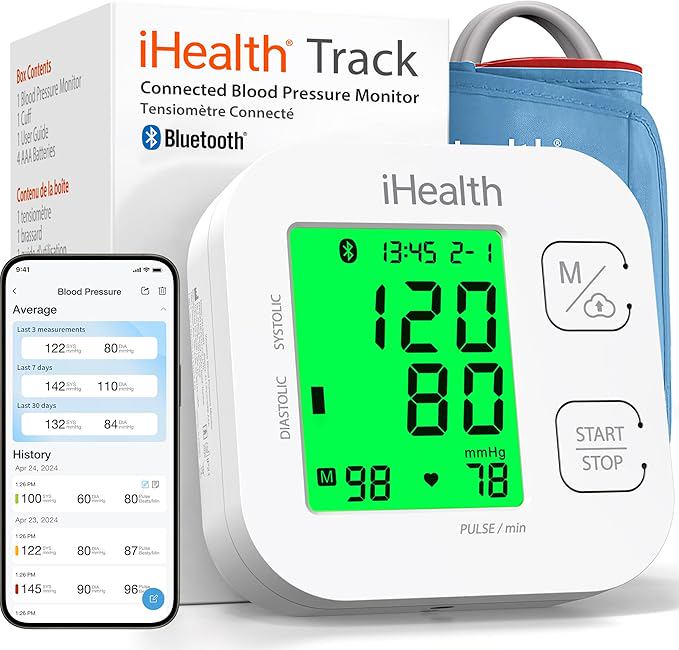
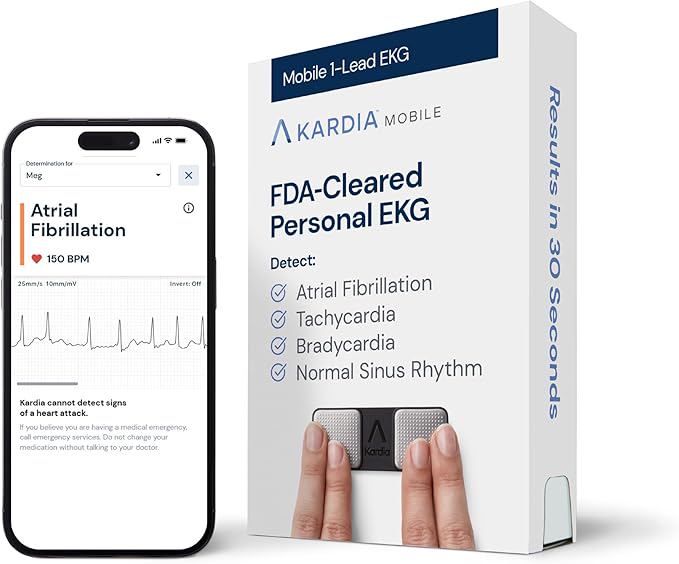
You might notice a rapid, irregular, or pounding heartbeat (palpitations), even when at rest. Unexplained weight loss despite a normal or increased appetite is a classic sign, as your body burns calories at an accelerated rate. A fine tremor in your hands or fingers, heat intolerance (feeling unusually warm when others are comfortable), and increased sweating are common. Many people experience persistent fatigue and muscle weakness, which seems paradoxical given the heightened metabolism, but reflects the body being in a constant state of overdrive.
Emotional and Cognitive Shifts
The hormonal surge can directly affect the nervous system. This often manifests as heightened anxiety, nervousness, or irritability. You might feel emotionally volatile or on edge without a clear reason. Difficulty concentrating, a racing mind, and a general sense of restlessness are also frequently reported.
Visible and Sensory Clues
Changes in the skin, such as unusual warmth and moistness, or a raised, thickened patch on the shins (a condition called pretibial myxedema) can occur. For many, the most distinctive sign is changes in the eyes—Graves' ophthalmopathy. Early eye symptoms may include a gritty sensation, pressure or pain, redness, eyelid retraction (making the eyes appear to be staring), and mild puffiness or swelling around the eyelids. It's important to note that not everyone with Graves' develops noticeable eye symptoms, and their severity is not tied to the severity of the thyroid condition itself.
If you notice a combination of these signs—especially rapid heartbeat, unexplained weight loss, and anxiety—persisting for more than a few weeks, it's a sensible reason to consult your doctor.
How Is Graves' Disease Diagnosed?
If your symptoms and risk profile suggest Graves' disease, your doctor will follow a clear diagnostic pathway. This typically begins with a detailed discussion of your personal and family medical history and a physical exam, where they may check for thyroid enlargement (goiter), a tremor, or eye changes.
The cornerstone of diagnosis is blood testing. These tests measure:
- Thyroid-Stimulating Hormone (TSH): This pituitary hormone is usually very low in Graves' disease because the overactive thyroid suppresses its release.
- Thyroid Hormones (T4 and T3): Levels of these hormones are typically elevated.
- Thyroid Antibodies: The presence of specific antibodies, particularly Thyroid-Stimulating Immunoglobulin (TSI), confirms the autoimmune nature of the condition and points directly to Graves'.
In some cases, a radioactive iodine uptake scan may be used. This test shows how much iodine your thyroid collects from the bloodstream. In Graves' disease, uptake is usually diffusely high, which helps distinguish it from other causes of hyperthyroidism.
Recognizing the risk factors and early signs of Graves' disease is a form of proactive self-care. It allows you to move beyond vague worry and toward concrete understanding. If the picture described here feels familiar, the most important step is to schedule an appointment with your primary care physician or an endocrinologist. With accurate diagnosis, Graves' disease is a manageable condition, and effective treatments are available to help restore balance and well-being.