When your thyroid is working too hard, producing excess hormones that send your metabolism into overdrive, the relationship you have with iodine becomes more complicated than a simple “good” or “bad.” Iodine is an essential building block for thyroid hormone, which is precisely why it can become a problem for someone with hyperthyroidism. For most people, iodine is a crucial nutrient found in seaweed, dairy, and fortified foods. But if your thyroid is overactive, that same nutrient can fuel the fire.
Managing hyperthyroidism often involves working with your healthcare provider to find the right treatment path, which might include medication, radioactive iodine therapy, or surgery. Alongside those medical interventions, paying attention to your iodine intake can help you feel more stable and reduce uncomfortable symptoms. It is not about eliminating iodine entirely—your body still needs a small amount—but it is about being careful with the foods that deliver a heavy dose. Here are four common sources of iodine to consider limiting if you have an overactive thyroid.
1. Seaweed and Sea Vegetables
Seaweed—whether it is nori in your sushi roll, kelp in your smoothie, or dulse flakes on your salad—is one of the most concentrated natural sources of iodine on the planet. The iodine content can vary wildly depending on the type and where it was harvested, but a single serving of kelp can contain thousands of micrograms of iodine. For context, the daily recommended intake for adults is around 150 micrograms, and going far beyond that can trigger or worsen hyperthyroidism in sensitive individuals.
If you have Graves’ disease or another form of hyperthyroidism, it is wise to avoid seaweed supplements and to eat seaweed-based foods only rarely, if at all. Even small amounts can spike your iodine levels and make it harder for your thyroid to calm down. A good rule of thumb: read ingredient labels on things like seaweed snacks, miso soup packets, and even some plant-based sushi rolls to see if seaweed is a major component.
2. Iodized Salt and High-Sodium Processed Foods
Iodized salt was a public health triumph—it virtually wiped out iodine deficiency in many parts of the world. But for someone with hyperthyroidism, that same salt can become a source of unnecessary iodine. Many processed foods, from canned soups to snack crackers, use iodized salt as a standard ingredient, and those foods can quietly push your daily iodine intake higher than you realize.
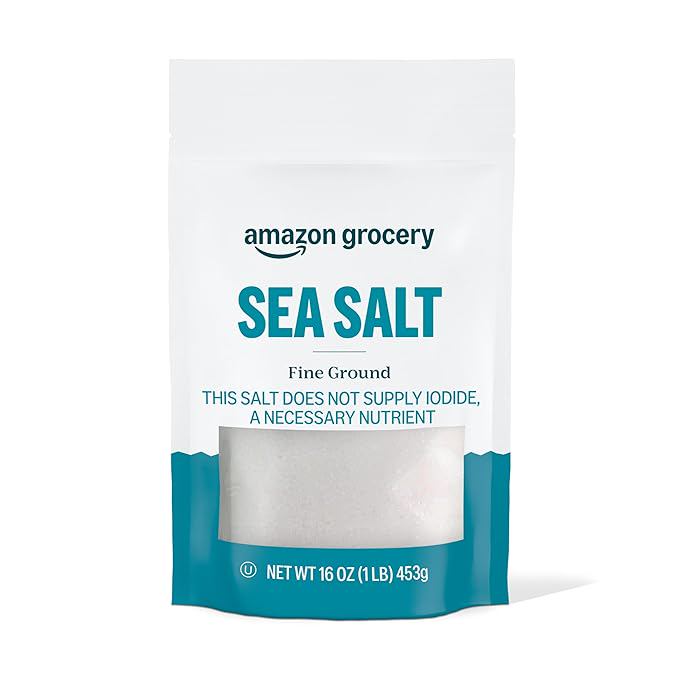
You do not need to stop using salt entirely, but switching to non-iodized salt (like sea salt or kosher salt) for cooking and at the table is a practical step. More importantly, try to reduce your reliance on heavily processed convenience foods. They tend to be high in sodium anyway, which can also affect blood pressure—something worth watching when your thyroid is already putting strain on your heart.
3. Dairy Products
Dairy is one of the largest contributors of iodine in the typical American diet. This is not because cows naturally produce iodine-rich milk, but because iodine-based disinfectants are used in milking equipment and feed supplements are common. The result is that a single cup of milk can contain anywhere from 80 to 150 micrograms of iodine, and yogurt, cheese, and ice cream add more.
If you have hyperthyroidism and you eat dairy daily, it is worth experimenting with reducing your intake for a few weeks to see how you feel. You do not need to cut it out completely unless your doctor suggests it. But switching to a smaller amount, or choosing dairy-free alternatives like oat or almond milk (which are naturally low in iodine unless fortified), can lower your total iodine load without making your diet too restrictive.
4. Eggs and Certain Seafood
Eggs are a nutritious staple, but the yolk is where iodine collects. One large egg provides around 25 micrograms of iodine. That is not an enormous amount on its own, but if you eat a couple of eggs every day alongside other iodine-rich foods, it adds up. Similarly, seafood like cod, tuna, shrimp, and especially shellfish have moderate to high levels of iodine. Fish from the ocean absorb iodine from seawater, so their flesh and bones carry it.
This does not mean you should avoid eggs and fish entirely—they provide high-quality protein and other important nutrients. The key is moderation. For example, eating eggs a few times a week instead of daily, or choosing freshwater fish like trout occasionally instead of cod, can help keep your iodine intake within a safer range for your overactive thyroid.
Caveat: This information is for general health education only and is not a substitute for medical advice. Always discuss dietary changes with your doctor or a registered dietitian who understands your specific thyroid condition and treatment plan.