
Your thyroid is a small, butterfly-shaped gland at the base of your neck, but its role in your health is anything but small. It produces hormones that regulate your metabolism, heart rate, body temperature, and more. When it becomes overactive, producing too much thyroid hormone, the condition is known as hyperthyroidism. The resulting chemical imbalance can send your body’s systems into overdrive, often in subtle ways that are easy to dismiss as stress or simply being "run down."
Recognizing the warning signs is the first, crucial step toward getting the right diagnosis and care. Because the symptoms can be broad and affect so many different parts of your body, they’re frequently mistaken for other issues. Learning to listen to what your body is telling you can make all the difference. Here are seven symptoms of hyperthyroidism that warrant a conversation with your doctor.
1. Unexplained Weight Loss and Increased Appetite
One of the most common red flags is losing weight without trying, even while your appetite increases. Your metabolism is essentially running at full throttle, burning calories at a rapid pace. You might find yourself eating more than usual but still watching the number on the scale drop. This isn't the kind of weight loss associated with a new exercise routine; it’s often sudden, unexplained, and can be accompanied by a feeling of being constantly "wired."
If you experience significant, unintentional weight loss—generally defined as losing more than 5% of your body weight in 6 to 12 months—it’s important to explore the cause with a healthcare professional.
2. A Racing, Pounding, or Irregular Heartbeat
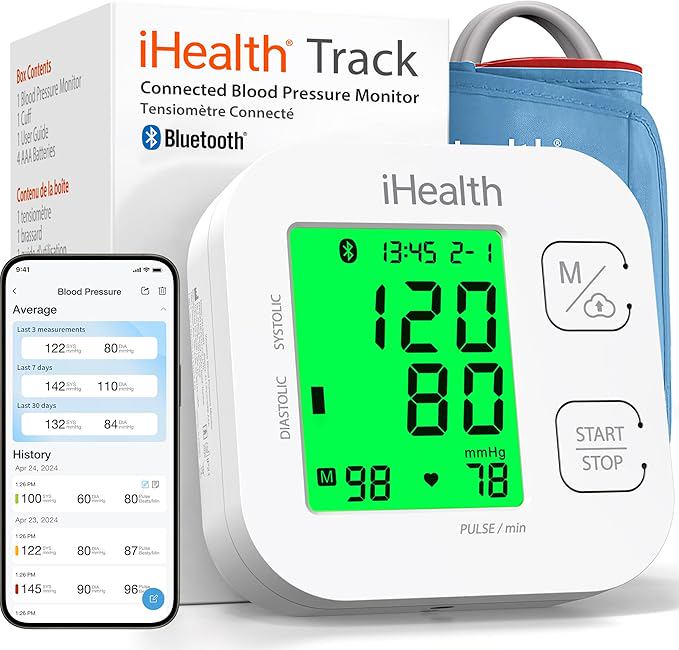
Thyroid hormone has a direct effect on your heart. Hyperthyroidism can cause palpitations, where you feel your heart pounding in your chest, neck, or throat. You may notice your resting heart rate is consistently high, or experience atrial fibrillation, an irregular and often rapid heart rhythm. This symptom can be particularly alarming and is a key reason not to ignore other signs. It’s your heart working harder than it needs to.
3. Anxiety, Nervousness, and Irritability
Feeling on edge, anxious, or emotionally volatile for no clear reason can be a sign that your thyroid is overactive. The hormonal surge can affect your nervous system, making it difficult to relax or concentrate. You might feel jittery, as if you’ve had too much caffeine, even when you haven't. This isn't just everyday stress; it’s a pervasive feeling of inner restlessness that doesn’t align with your circumstances.
4. Heat Intolerance and Excessive Sweating
Do you find yourself constantly warm when others are comfortable, or sweating profusely in normal temperatures? An overactive thyroid revs up your body’s engine, raising your basal metabolic rate and body temperature. You might need fewer blankets at night, prefer cold drinks, or feel overwhelmingly hot in environments that never used to bother you. This intolerance to heat is a classic, yet frequently overlooked, clue.
5. Tremors and Muscle Weakness
A fine tremor in your hands or fingers is another telltale sign. You might notice it when you’re trying to hold something still, like a piece of paper or a phone. Alongside this, you may experience unusual muscle weakness, particularly in the upper arms and thighs. Simple tasks like climbing stairs, lifting groceries, or getting up from a chair can become surprisingly difficult. This happens because the body is breaking down muscle protein for energy at an accelerated rate.
6. Changes in Your Menstrual Cycle and Sleep Patterns
For women, hyperthyroidism can disrupt the menstrual cycle, often making periods lighter, less frequent, or even causing them to stop altogether. Sleep is another casualty. Despite feeling exhausted, you may struggle with insomnia or fitful, unrefreshing sleep. This creates a vicious cycle: the condition drains your energy, yet prevents you from getting the deep rest needed to recover.
7. Thinning Skin, Brittle Hair, and Eye Changes
Physical changes can also appear. Your skin may become unusually thin and feel smooth or velvety. Hair can turn fine and brittle, leading to increased shedding. In some cases, particularly with Graves' disease (a common cause of hyperthyroidism), the eyes may appear to bulge or feel gritty, irritated, and sensitive to light. While not everyone with hyperthyroidism experiences eye symptoms, their presence is a strong indicator.
What to Do If You Recognize These Signs
If several of these symptoms feel familiar, the next step is not to self-diagnose, but to schedule an appointment with your primary care doctor or an endocrinologist. Diagnosis typically involves a simple blood test to measure your levels of Thyroid-Stimulating Hormone (TSH) and thyroid hormones (T3 and T4). A low TSH level with high thyroid hormone levels usually confirms hyperthyroidism.
Treatment is highly effective and aims to normalize thyroid hormone levels. Options may include anti-thyroid medications, radioactive iodine therapy, or, in some cases, surgery. The right approach depends on your age, the cause of your hyperthyroidism, its severity, and your overall health.
Listening to your body’s signals is a form of self-care. The symptoms of hyperthyroidism can creep up slowly, masquerading as the wear and tear of modern life. But your health deserves more than a shrug. By paying attention to these seven warning signs, you empower yourself to seek the clarity and care that can help restore your balance and well-being.