

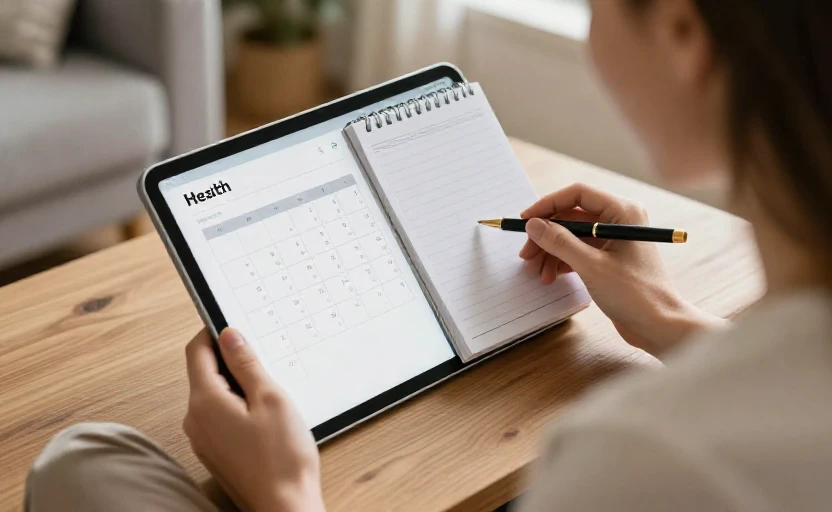
Walking into a doctor's appointment about PCOS can feel overwhelming. You know you've been experiencing a range of symptoms—maybe fatigue, irregular cycles, or skin changes—but when asked to describe them, the details can blur together. Effective tracking transforms that vague feeling into clear, actionable information. It's not just about making a list; it's about creating a narrative of your health that you and your doctor can understand, leading to more personalized and effective management.
Think of symptom tracking as building a bridge between your daily experience and the clinical picture. It empowers you to move from simply reporting problems to participating in solutions. This guide focuses on simple, sustainable methods to document your PCOS journey, ensuring your next visit is productive and focused.
Why tracking makes a real difference in PCOS care
PCOS is a syndrome, not a single condition, which means its presentation is unique to each person. What you experience in terms of cycle irregularity, mood, energy, or physical changes is your body's specific language. Without a record, it's easy to forget the pattern of a headache that precedes your period or the bloating that follows certain foods. Tracking captures these patterns, turning random observations into evidence.
This evidence serves two crucial purposes. First, it provides your healthcare provider with concrete data beyond standard blood tests. They can see the frequency, severity, and triggers of your symptoms in real-life context. Second, it gives you clarity and a sense of agency. You begin to see connections between your lifestyle, your cycle, and how you feel, which is the foundation of effective management.
A symptom log is your most powerful tool for advocating for your health. It shifts the conversation from 'I think I feel bad sometimes' to 'Here is what I've observed.'
Choosing your tracking method: simple beats perfect
The best method is the one you'll actually use consistently. Don't overcomplicate it at the start. You can always add detail later.
Digital Apps: Many period-tracking apps have fields for custom symptoms, mood, sleep, and more. They're convenient for quick daily entries and often generate helpful charts. Look for ones with strong privacy policies.
The Classic Journal: A simple notebook offers complete flexibility. You can draw charts, jot notes in the margin, and track exactly what matters to you without being confined to app categories.
Hybrid Approach: Use a basic calendar (paper or digital) for quick daily symbols or ratings, and reserve a notes section for weekly reflections on trends or specific events.
What to track beyond your cycle dates
While menstrual cycle length and flow are vital, PCOS affects multiple systems. A holistic view gives the fullest picture.
- Physical Symptoms: Note acne flare-ups, hair growth (hirsutism) or hair loss, bloating, headaches, pelvic pain, changes in weight or appetite, and energy levels throughout the day.
- Emotional & Mental Well-being: Track mood swings, anxiety, irritability, motivation, and sleep quality. Note if these correlate with your cycle or stressful periods.
- Lifestyle Factors: Briefly log your meals (not for calorie counting, but to note patterns with bloating or energy), exercise, stress levels, and water intake.
- Medications & Supplements: Record what you're taking and any changes you notice after starting or stopping something.
Using a simple rating scale
Instead of writing paragraphs daily, use a 1-5 scale for key symptoms (e.g., fatigue: 1=energetic, 5=exhausted). This creates quick, scannable data. In your weekly notes, you can elaborate: "Fatigue was a 4-5 all week, especially worse two hours after eating pasta."
Preparing your notes for the appointment
About a week before your visit, review your tracker. Look for trends, cycles, and any significant changes. Synthesize this into a one-page summary or a set of bullet points to bring with you.
Structure your summary around your top 2-3 concerns. For example: "1. Persistent Fatigue: Rated 4/5 most afternoons for the past month. Seems worse on high-carbohydrate days. 2. Irregular Cycles: Last three cycles were 45, 38, and 52 days long. 3. Mood Swings: Significant irritability and low mood in the 7-10 days before my period starts."
This preparation allows you to walk in calmly, present your facts, and ensures you won't forget to mention something important in the moment.
Questions to ask your doctor using your data
Your tracked information naturally leads to more specific questions. Instead of "Why do I feel tired?" you can ask, "My logs show I have severe fatigue every afternoon. Given my insulin levels, could this be related to blood sugar dips?" or "I've noticed my acne flares up about 10 days before my period. Does this align with a specific hormonal shift we could address?"
This collaborative approach, grounded in your observations, leads to more targeted testing and management strategies that are tailored to your lived experience of PCOS.








