Walking is one of the most accessible forms of movement, but turning a casual stroll into a consistent habit often comes down to the numbers. Tracking your daily steps isn't about obsessing over a single target—it's about building awareness, finding your natural rhythm, and staying motivated over the long haul. Health and fitness experts agree that the key to step tracking isn't the gadget you use, but how you use it to create a sustainable practice.
Whether you're starting from scratch or looking to reboot a stalled routine, the goal is to make step counting a helpful tool, not a source of stress. Here's how to track your daily steps in a way that actually supports better consistency.
Start with a baseline, not a goal
Many people jump straight to 10,000 steps a day because it's the most famous number in walking. But experts say that arbitrary target can backfire if you're currently logging 3,000 steps. Instead, wear your tracker for a week without changing your routine. Look at your average daily count—that is your starting point. Research shows that even modest increases from your personal baseline, like adding 1,000 to 2,000 extra steps per day, can improve cardiovascular health and mood without feeling overwhelming.
Choose the right tracking tool for your lifestyle
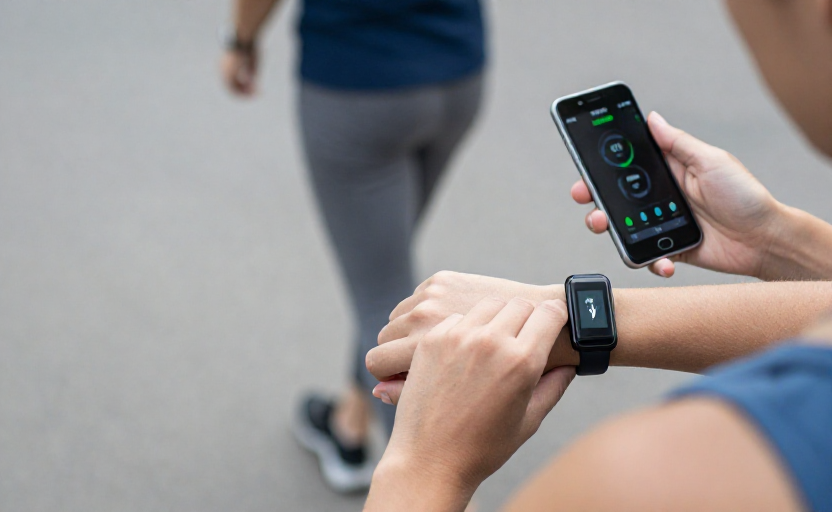
Consistency is easier when your tracking method feels natural. The best tool is the one you'll actually use every day. Options include:
- Smartphone pedometer apps (like Apple Health or Google Fit) that use your phone's built-in sensors
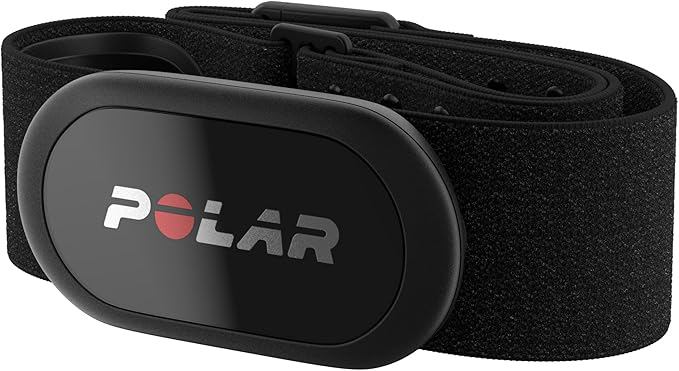
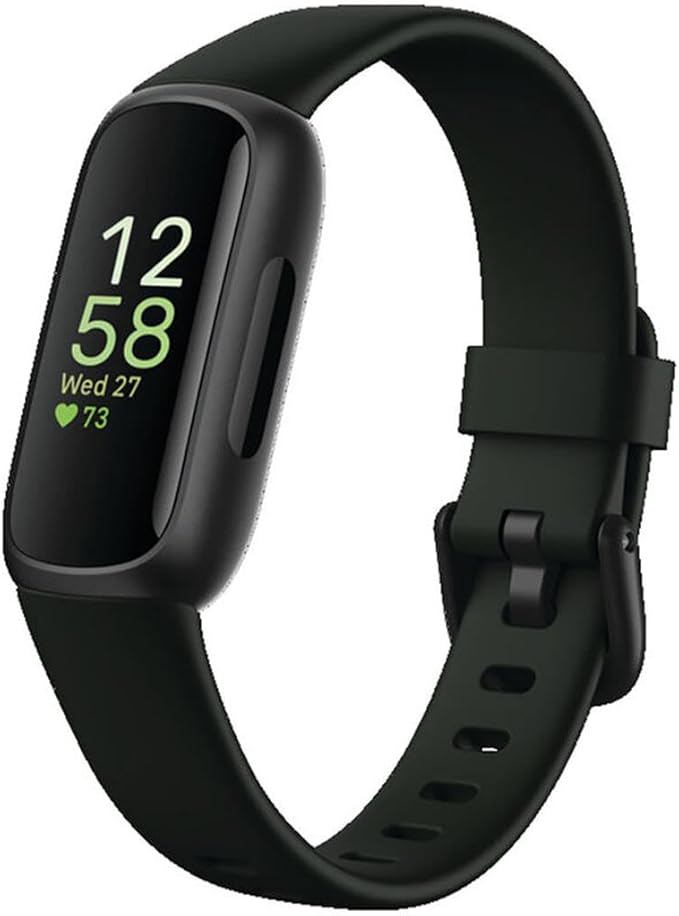
- Fitness wearables such as a basic fitness band or a smartwatch that syncs with an app
- Simple clip-on pedometers if you prefer not to carry your phone or wear a watch
The device doesn't need to be expensive or feature-heavy. A 2022 study in JAMA Internal Medicine found that even basic step counters can significantly increase physical activity when used consistently. What matters most is that you check it at the same time each day—perhaps after dinner or before bed—to see your total and reflect on your day.
Set micro-goals that build momentum
Instead of fixating on a daily finish line, break your step target into smaller, more manageable chunks. For instance, aim for 2,000 steps before breakfast, another 2,000 during lunch break, and the rest spread through the afternoon and evening. This approach helps you avoid the end-of-day scramble to hit a number and reduces the pressure that can lead to quitting. Fitness coach and researcher Dr. Amanda Paluch from the University of Massachusetts Amherst notes that focusing on short, frequent walking bouts is often more sustainable than one long walk—especially for people with desk jobs.
Use the 10-minute rule for natural reminders
A common reason people stop tracking is that they simply forget to move. Set a gentle, recurring reminder on your phone or smartwatch to stand and walk for 10 minutes every hour. Ten minutes of walking at a moderate pace adds roughly 1,000 steps per reminder. Over a standard workday, that can contribute 8,000–10,000 steps without requiring a dedicated workout. This technique works well because it piggybacks on your existing schedule rather than asking you to carve out new time.
What to do when you miss a day
Perfection is not the goal. If you have a low-step day, resist the urge to double your steps the next day to compensate—that can lead to injury or burnout. Instead, simply reset and aim for your baseline again. Consistency over weeks and months is far more impactful than any single day's number. Many tracking apps allow you to view weekly or monthly averages, which gives you a healthier perspective than day-to-day fluctuations.
Pair step tracking with a simple reward
Behavioral science tells us that we repeat actions that feel rewarding. Link your step consistency to a small, non-food reward. For example, if you hit your step goal five days in a row, allow yourself 30 minutes of guilt-free reading time or an episode of a show you love. The reward reinforces the behavior and makes the tracking process feel more like a game than a chore. Over time, the walking itself becomes intrinsically rewarding as you notice improved energy, better sleep, or lower stress.
"Step tracking is not about perfection; it's about pattern recognition. When you see your own data over time, you naturally start making small adjustments that stick." — Dr. I-Min Lee, professor of medicine at Harvard Medical School
Review your weekly trends, not just daily counts
One of the biggest advantages of modern step trackers is the ability to see trends. Look at your average steps per day over the last week. Are you consistently low on Wednesdays? That might be your busiest day at work. Instead of trying to increase steps that day, adjust by adding a short walk on Saturday to balance your weekly total. Experts recommend aiming for a weekly step goal (e.g., 50,000 steps per week) rather than a rigid daily target. This flexibility reduces pressure and accommodates life's natural variations.
Know when to step away from the numbers
Tracking should serve your health, not dominate your thoughts. If you find yourself feeling anxious about missing a target, walking extra laps around the supermarket before checking out, or ignoring physical fatigue just to hit a number, it's time to take a break. Consider tracking for one week per month to check in, or switch to tracking by time spent walking (e.g., 30 minutes per day) instead of step count. The ultimate measure of success is that you are moving more consistently than you were before, not that you hit 10,000 steps every single day.
By choosing a simple device, setting realistic micro-goals, and using weekly averages as your guide, you can turn step tracking into a quiet, effective habit that supports your overall health. The experts agree: consistent, moderate walking is one of the most powerful things you can do for your body, and tracking is just the map—you have to do the walking.