
Polycystic ovary syndrome doesn't appear out of nowhere—it builds quietly, often over years, before a formal diagnosis arrives. For many women, the earliest clues live in the menstrual cycle itself. Learning to read those signals at home can help you identify potential concerns early, before they escalate into more disruptive symptoms.
Cycle tracking isn't about becoming your own doctor. It's about gathering real data you can later bring to a healthcare provider, giving both of you a clearer picture of what's happening in your body. Here's how to do it meaningfully, and what to watch for.
Why your cycle holds the first clues
PCOS primarily disrupts ovulation, and when ovulation doesn't happen regularly, the menstrual cycle becomes irregular. That irregularity is often the first outward sign of underlying hormonal imbalance. But irregular can mean different things for different women—some have cycles every 35 to 45 days, others skip months entirely, and some experience unpredictable spotting between periods.
What a healthy cycle looks like as a baseline
- Cycle length: 21 to 35 days from the first day of one period to the first day of the next.
- Period duration: 3 to 7 days of bleeding.
- Flow pattern: Starts light, becomes heavier, then tapers off.
- Absence of mid-cycle bleeding that isn't associated with ovulation.
If your cycle regularly falls outside these ranges—or shifts unpredictably—it could be a sign worth investigating.
What to track (and when to start)
You don't need a fancy app or a wearable device to begin. A simple paper calendar, a notebook, or any period-tracking app will work. What matters is consistency. Start tracking on day one of your period, and note the following each day:
- Bleeding intensity: Light, medium, heavy, or spotting.
- Physical symptoms: Cramping, bloating, breast tenderness, headaches, nausea.
- Mood and energy changes: Irritability, fatigue, low mood, or anxiety.
- Other notable signs: Changes in skin (acne outbreaks), hair texture, or appetite.
Tip: Track every day, not just days you're bleeding. Patterns in the non-bleeding part of your cycle can be just as informative.
Key warning signs that may point to PCOS
Once you have at least three months of data, start looking for these patterns:
Irregular cycle length
If your cycles vary by more than 7 to 9 days from month to month, or if you frequently go longer than 35 days without menstruating, this is a flag. Some women with PCOS have fewer than eight periods per year.
Absent or infrequent ovulation
You can estimate ovulation at home using signs like cervical mucus changes (egg-white consistency around mid-cycle) or a sustained rise in basal body temperature. If you never see these signs, or they appear erratically, ovulation may be irregular.
Unpredictable bleeding
Spotting between periods, very heavy bleeding, or bleeding that lasts longer than seven days can all indicate hormonal imbalance characteristic of PCOS.
Symptoms that coincide with cycle shifts
If you notice that acne worsens in the week before your period, or that hair on your face or chest seems to increase while scalp hair thins, these patterns are worth noting. Weight gain that is stubborn and concentrated around the abdomen, along with irregular cycles, also raises the suspicion for PCOS.
Tools that help you see the bigger picture
A basic calendar or notebook gives you the raw data. But a few low-tech and high-tech tools can help interpret it:
- Basal body thermometer: Measures your resting temperature each morning before getting out of bed. A sustained rise of about 0.5°F after ovulation confirms it occurred.
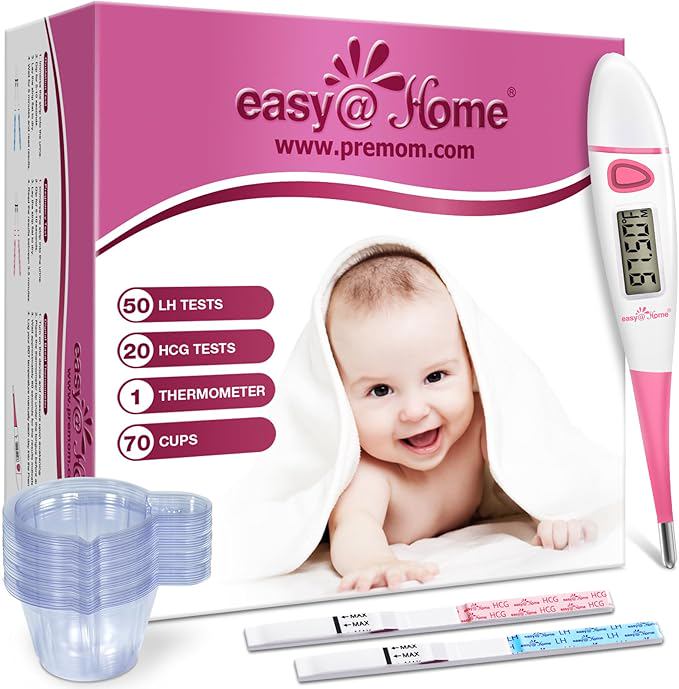
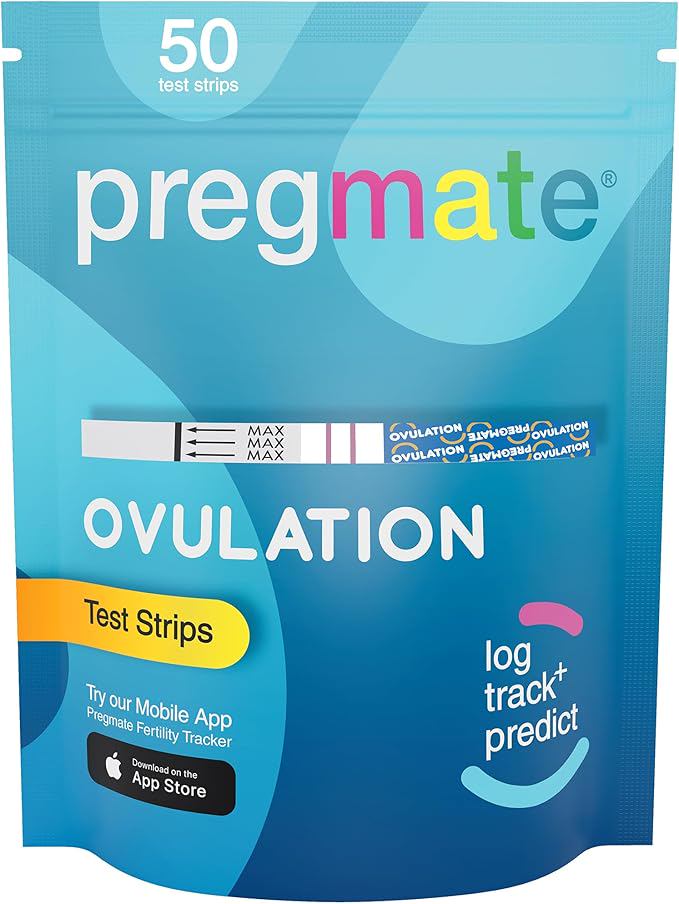
- Ovulation predictor kits: Detect the luteinizing hormone surge that precedes ovulation. Useful for identifying whether and when ovulation happens.
- Fertility awareness apps: Apps like Clue, Flo, or Natural Cycles can log daily symptoms and help identify patterns. Look for those that allow you to note symptoms, not just period days.
- Paper charting systems: Some women find it simpler to draw their own chart on graph paper. This gives full control over what gets recorded.
Whichever method you choose, the goal is the same: build a record of your body's rhythms that you can discuss with a clinician.
When to bring your data to a doctor
Tracking is a personal practice, but its real power comes from partnership with medical care. Consider scheduling an appointment if your tracking reveals:
- Cycles consistently shorter than 21 days or longer than 35 days.
- Fewer than eight periods in a year.
- Heavy bleeding that soaks through pads or tampons every hour.
- Signs of excess androgen—new acne, hair growth in a male pattern, or thinning scalp hair.
- Unexplained weight gain, especially around the abdomen.
- Difficulty getting pregnant after six to twelve months of trying.
Bring your tracking logs—calendar, app printout, or notebook—to the appointment. Specific data helps a doctor assess whether further testing, such as blood work for hormone levels or an ultrasound, is appropriate.
Important boundaries of self-tracking
Cycle tracking is a screening tool, not a diagnostic test. Only a healthcare provider can confirm a PCOS diagnosis based on established criteria, which typically include irregular ovulation, elevated androgen levels, and polycystic ovaries on ultrasound. Home tracking cannot replace lab work or medical imaging. It also cannot determine the underlying cause of irregularities—thyroid disorders, stress, extreme exercise, and other conditions can mimic PCOS symptoms.
Remember: Tracking should empower you, not overwhelm you. If you notice concerning patterns, you don't need to diagnose yourself—you simply need a conversation with a professional.
By paying close attention to your menstrual cycle and recording what you observe, you give yourself an early warning system. For PCOS, catching signs early means you can address hormonal imbalances, manage symptoms, and reduce long-term health risks long before they become severe. Start today with just a pen and a calendar—your future self will thank you.
This article is for educational purposes and does not constitute medical advice. Always consult a healthcare professional for personal health concerns.