Living with polycystic ovary syndrome (PCOS) often means navigating a constellation of symptoms that change from week to week, even day to day. Irregular periods, unwanted hair growth, stubborn weight gain, mood swings, and fatigue can feel like they have a mind of their own. Without a consistent method for keeping tabs on what your body is doing, it is nearly impossible to spot patterns — or to explain clearly to your healthcare provider how you are actually doing.
Tracking your PCOS symptoms at home does not have to be a chore. In fact, when you build a simple, repeatable habit around logging physical and emotional changes, you gain something valuable: data that helps you and your doctor make smarter decisions about diet, lifestyle, and treatment. Below is a calm, practical walkthrough for building an accurate symptom log that works for your real life.
Why track PCOS symptoms at home?
PCOS affects each person differently. One person may deal mostly with severe acne and irregular cycles; another may struggle more with insulin resistance, fatigue, and hair thinning. On paper, both have the same syndrome — but the root issues can be vastly different. Over time, detailed logs help you understand which symptoms tend to flare together and what external factors — like stress, certain foods, or missed sleep — might be triggering them.
Your log also bridges a common gap in the clinic. A doctor sees you for maybe twenty minutes. Saying “my periods are irregular” or “I’ve been feeling more tired lately” is vague. Showing a calendar of cycle dates, energy levels, and morning blood sugar entries is specific — and it often speeds up the path to a useful diagnosis or adjustment.
What to include in your PCOS symptom log
A good symptom log covers more than just your period start date. Over time, you want a rounded picture that includes physical signs, emotional state, and lifestyle factors that can influence your hormones. Below are the core categories to consider tracking — pick the ones that matter most for your specific experience.
Menstrual cycle basics
Note the first day of your period, the length of bleeding, and the number of days between cycles. If you have cycles that last forty days or more, or you skip months entirely, just record those gaps. Common apps like Clue or Spot On let you log this quickly, but a paper calendar works just as well.
Physical symptoms
Log things like acne breakouts (mild, moderate, severe and where they appear), unwanted hair changes (face, chest, back), scalp hair thinning or shedding, skin tags or darkened patches (acanthosis nigricans), and bloating or pelvic pain. You do not need to rate every symptom every day — a simple note each time you notice a change is enough.
Energy, mood, and sleep
PCOS often comes with fatigue, brain fog, anxiety, or low mood. On a scale of 1–10, record your baseline energy level and mood each evening. Also track hours of sleep and whether you woke up feeling rested. Many people find that energy crashes happen a few hours after meals — that clue can be powerful for adjusting diet.
Weight and body composition
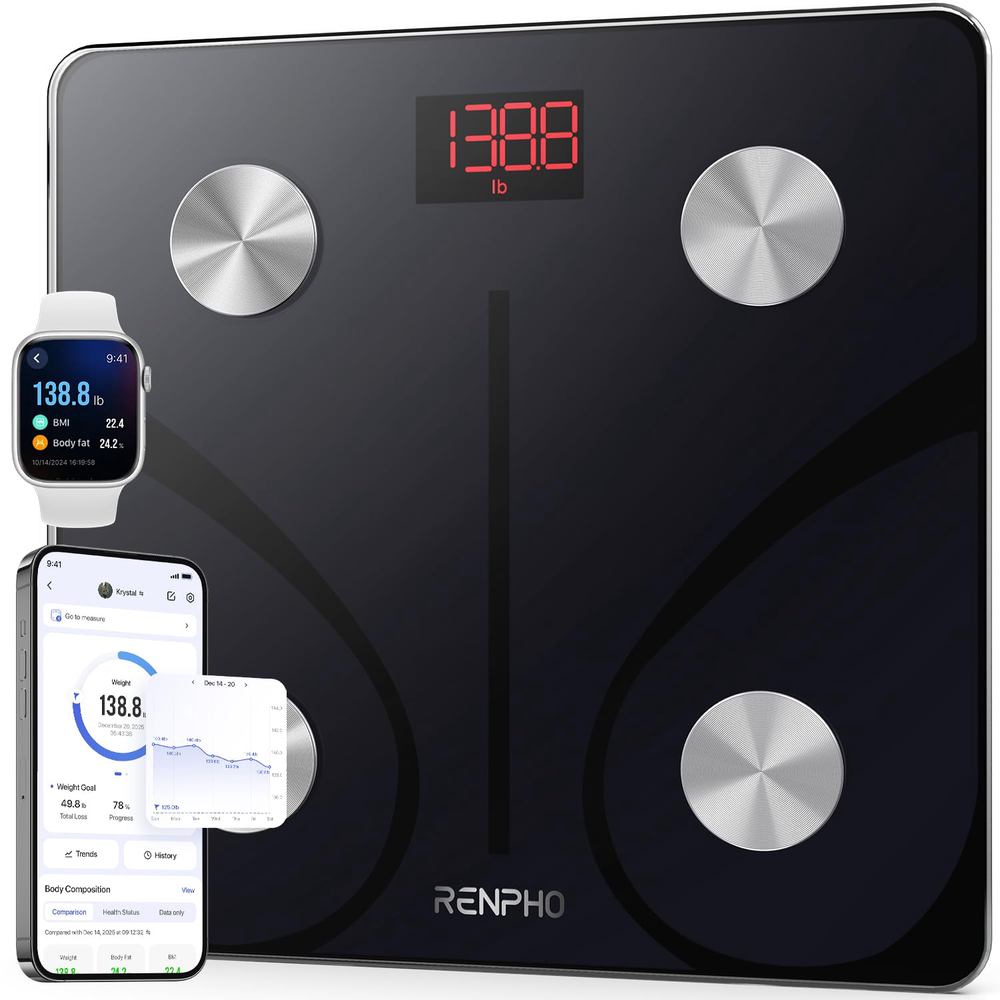
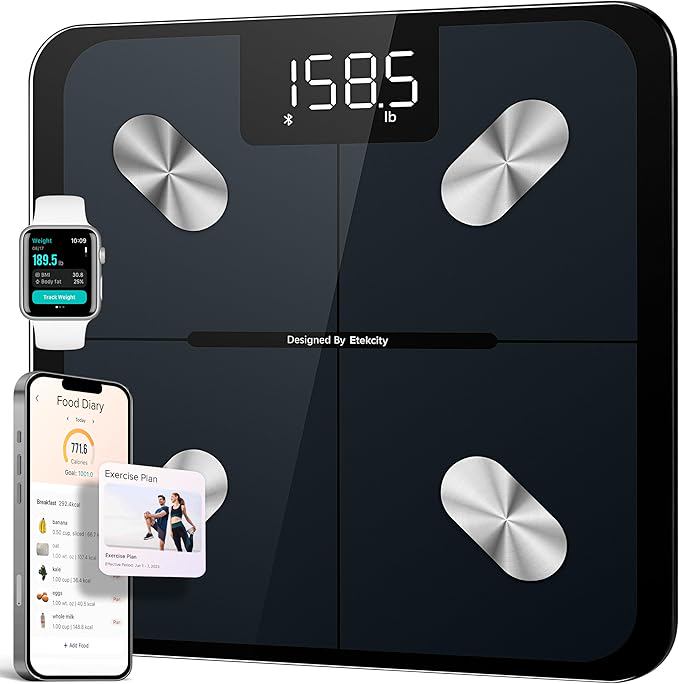
Weigh yourself no more than once a week on the same day and time, morning after using the bathroom. PCOS weight fluctuations can be discouraging if you hop on the scale daily. A waist circumference measured once a month may be more revealing than weight alone, because it tracks visceral fat, which is closely linked to insulin resistance.
Lifestyle factors to log alongside symptoms
Your log should include short notes about diet patterns, exercise, stress level, and any supplements or medications you take. That way you can later answer the question: “When I ate a lower-carb breakfast, did my energy improve by 10am?” or “After I skipped my walk for three days, did my bloating get worse?”
A single symptom is just a data point. A month of data is a story. Let the patterns — not the bad days — guide your next step.
Choosing the right tracking method
There is no one “best” way to track PCOS symptoms. The method that sticks is the one you will actually use. Here is a quick comparison of the most common approaches.
- Paper planner or bullet journal: Flexible and private. You can design your own one-page layout with boxes for the cycle day, key symptoms, and a journal line. The drawback is that it is not searchable and does not generate charts automatically.
- General health app (e.g., Apple Health, MyFitnessPal): Decent for weight, exercise, and sleep. Most general apps do not have PCOS-specific fields, so you may need to rely on free-text notes.
- Period tracker app (e.g., Clue, Flo, Spot On): Excellent for cycle length and period symptoms. Some now let you add custom tags for PCOS issues like acne or hair growth.
- PCOS or hormone-specific tracker (e.g., Kindara, Ovagraph): Designed to log cervical mucus, basal body temperature, and ovulation signs. Good if you are also charting fertility. Some offer charting that helps identify anovulatory cycles.
- Spreadsheet (Google Sheets or Excel): Highly customizable. You can add dropdown menus for symptom severity, create graphs over time, and share a read-only version with your provider. This is the most flexible option for people who like data.
Whichever you choose, aim to log at least once a day at a consistent time — bedtime works for many — and keep entries brief. A log that takes two minutes to update is more likely to become a habit.
How to make your log useful for your doctor
Take your log to appointments in a printable summary format. Highlight the past two to three months. If you use an app, take screenshots of the monthly calendar and any symptom trends. If you use a spreadsheet, create a simple line graph showing cycle length or energy score over time.
When you present the data, make three points clear: your most bothersome symptom, any patterns you notice, and one question you want to explore. For example: “My biggest issue is fatigue. I notice it gets worse in the week after I have high-sugar meals. Could we check my insulin resistance markers?”
Be honest about gaps. If you missed two weeks of logging, say so. A doctor can still draw useful information from partial data — especially if your logs show consistent patterns during the weeks you did track.
Common pitfalls and how to avoid them
- Over-tracking: You do not need to log every burp and craving. Stick to 5–7 key signals per day. Too much detail leads to burnout.
- Inconsistent timing: Record morning weight and evening energy at roughly the same time. Shifting the time of day can introduce noise in your data.
- Comparing cycles to “normal”: PCOS cycles often deviate from the textbook 28-day schedule. Do not judge your numbers — just observe them. The goal is pattern recognition, not perfection.
- Forgetting to log “good” days: When you feel great, write that down, too. Knowing what helped can be as useful as knowing what hurt.
When to share your log with a healthcare provider
Bring your symptom log to your first appointment and every follow-up. If you notice a sudden change — like a cycle that becomes fifty days longer than your average, or new severe pelvic pain — share that with your provider right away, even if it does not fit your normal pattern.
Your log is not a diagnosis. It is a story of your lived experience. Used together with blood work and a physical exam, it can help zero in on the right treatment approach — whether that means adjusting birth control timing, trying metformin for insulin resistance, exploring anti-androgen medications, or simply tweaking sleep and nutrition habits.
Your body is talking; a symptom log helps you translate. That translation — shared with a knowledgeable clinician — is how real progress starts.