
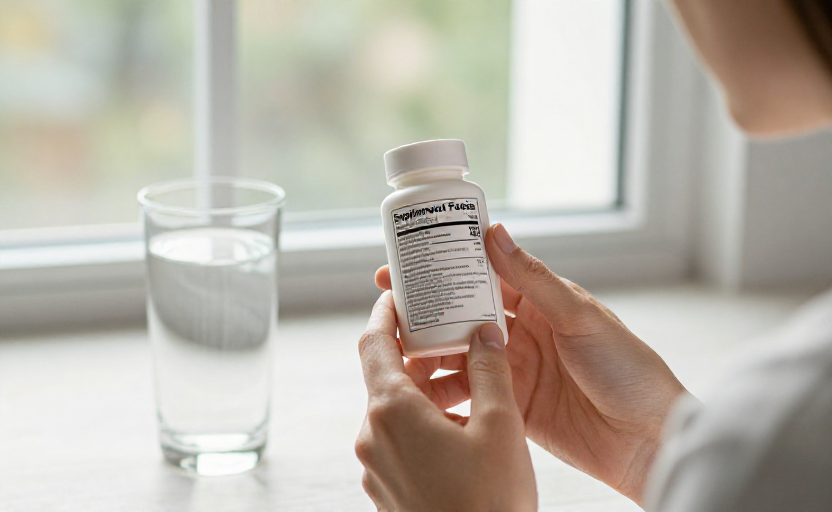
Vitamin D is one of the unsung heroes of a healthy pregnancy. It supports your immune system, helps your body absorb calcium for your baby’s developing bones and teeth, and may play a role in reducing the risk of complications like preeclampsia. Yet many prenatal vitamins fall short when it comes to this fat-soluble vitamin. Here’s how to check whether your prenatal actually delivers enough vitamin D—without relying on guesswork.
Start with the Label: What Numbers Actually Matter
The first thing to look for is the amount of vitamin D listed on the Supplement Facts panel. It should be expressed in international units (IU) or sometimes in micrograms (mcg). One microgram equals 40 IU, so if you see 25 mcg, that is 1,000 IU.
Current guidelines from major health organizations recommend that pregnant women get 600 IU (15 mcg) per day. However, many experts now suggest that 1,000 to 2,000 IU (25–50 mcg) daily is more appropriate for optimal blood levels, particularly if you have limited sun exposure or darker skin. If your prenatal only contains 400 IU, that is likely too low for most pregnancies.
Quick check: If the label says “400 IU” and nothing else, you are probably getting less than what research suggests is ideal. Consider whether you need an additional supplement—but always loop in your provider first.
Look for the Form: D2 vs. D3
Not all vitamin D is created equal. You will see two forms on ingredient lists: ergocalciferol (vitamin D2) and cholecalciferol (vitamin D3). D3 is the same form that your skin produces when exposed to sunlight, and studies indicate it is more effective at raising and maintaining blood levels. If your prenatal uses D2, it may still work, but D3 is generally preferred for pregnancy.
What about vegan options?
Most D3 is derived from lanolin (sheep’s wool), so if you follow a vegan or plant-based diet, look for a prenatal that uses lichen-derived D3 or a D2 from mushrooms. Both can be effective, but you may need to confirm the dose is adequate since D2 is less potent over time.
Consider Your Blood Level: The Missing Piece
Even a well-dosed prenatal containing 2,000 IU of D3 may not be enough if your baseline vitamin D level is low. The only way to know for sure is a blood test for 25-hydroxyvitamin D. Many healthcare providers check this during an initial prenatal visit, but not all do. If yours didn’t, it’s reasonable to ask.
Optimal levels for pregnancy are debated, but most practitioners aim for a serum level between 40 and 60 ng/mL. If your level is below 30 ng/mL, your prenatal dose may only maintain a deficiency rather than correct it. In that case, your doctor might recommend a separate high-dose vitamin D supplement temporarily.
Hidden Factors That Affect How Much You Actually Get
- Fat intake at the time you take it. Vitamin D is fat-soluble. Taking your prenatal with a meal that contains some fat (like eggs, avocado, or nuts) can triple absorption compared to taking it on an empty stomach.
- Body weight. If you have a higher body mass index, vitamin D becomes sequestered in fat tissue, making you require a higher intake to reach the same blood level.
- Sunlight and geography. If you live far from the equator, have limited outdoor time, or consistently wear sunscreen, your prenatal is your main source—and it needs to be robust.
When More Is Not Better: Upper Limits
Vitamin D toxicity is rare but possible with very high doses taken over months. The safe upper limit during pregnancy is generally 4,000 IU (100 mcg) per day without medical supervision. Stay within that range unless your provider prescribes more for a diagnosed deficiency. Too much vitamin D can cause elevated calcium levels, which may harm the placenta or fetal development.
Compare Brands: A Quick Tool
If you are comparing prenatals, check the label for the vitamin D amount alongside the form (D3 preferred). Many popular “complete” prenatals contain 600–800 IU, which meets the minimum but may be insufficient. Some chews and gummies tend to contain even less—often 400 IU—because of formulation constraints.
If your current prenatal is low, you don’t necessarily have to switch. You could add a separate vitamin D drop (typically 400–1,000 IU per drop) to reach your target. Just remember that many multivitamins also contain vitamin D, so total up all sources.
Knowing whether your prenatal vitamin provides enough vitamin D is not about picking the highest number on the shelf. It is about matching your intake to your individual needs—based on your baseline blood level, sun exposure, and body weight. A quick label check, a conversation with your practitioner, and a simple blood test can take the guesswork out of that decision.