For many people who menstruate, some degree of cramping during their period feels normal. But how do you know when the pain has crossed a line from typical discomfort into something more serious, like endometriosis? The distinction matters, because endometriosis is a chronic condition that can affect fertility, daily function, and quality of life if left unaddressed. This practical guide walks through the key differences in symptoms, timing, and pain patterns, so you can have a more informed conversation with your healthcare provider.
What makes endometriosis pain different from normal period pain?
Primary dysmenorrhea—the medical term for common menstrual cramps—usually starts a day or two before your period and lasts for a few days. The pain is typically a dull, constant ache in the lower abdomen or lower back. It happens because the uterus contracts to shed its lining, and prostaglandins (chemicals that trigger muscle contractions) are at work.
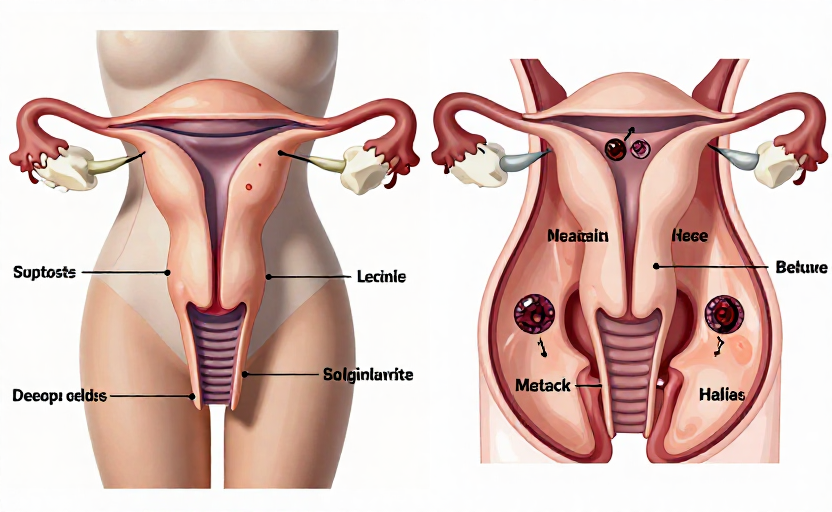
Endometriosis pain is a different story. In endometriosis, tissue similar to the uterine lining grows outside the uterus—on the ovaries, fallopian tubes, bowel, or other pelvic structures. This tissue responds to hormonal changes each month, but because it has no way to exit the body, it becomes inflamed, can form scar tissue, and may cause pain that is sharper, more widespread, and often longer-lasting.
Key distinction: Endometriosis pain frequently continues before, during, and after the period—sometimes for days or even weeks beyond the bleeding days.
Watch for these specific pain patterns
Endometriosis doesn't just cause cramps. People with the condition often describe the pain in ways that set it apart:
- Pain with periods that worsens over time. While normal cramps can be uncomfortable, endometriosis pain tends to become more intense and longer-lasting with each passing year.
- Pain during or after sex. Deep pain during intercourse is a classic red flag. Many people avoid mentioning it, but it's one of the most common symptoms.
- Pain with bowel movements or urination. If you notice sharp pain or cramping during these functions, especially around your period, endometriosis may be affecting your bowel or bladder.
- Chronic pelvic pain. Some people feel a dull ache in the pelvis even when they aren't on their period.
- Pain that radiates. The discomfort may travel down the legs or into the lower back, not just settle in the abdomen.
Other symptoms that point to endometriosis
Pain is the headline symptom, but endometriosis often comes with a constellation of other issues that are easy to brush off as just part of having periods. Here are a few to note:
- Heavy menstrual bleeding. Periods that soak through pads or tampons every hour, or last longer than seven days, are worth investigating.
- Digestive trouble. Bloating, nausea, diarrhea, or constipation around your period can look like IBS but may be linked to endometriosis on the bowel.
- Fatigue. The constant inflammation and disrupted sleep from pain can leave you drained in a way that typical menstrual fatigue does not.
- Fertility challenges. Endometriosis is a leading cause of infertility. If you've been trying to conceive for six to twelve months without success, endometriosis could be a factor.
When to see a doctor
It's easy to internalize the idea that severe period pain is just something you have to endure. Some people are told by family members or even clinicians that their pain is normal, which can delay diagnosis for years. The average time to get an endometriosis diagnosis is between four and eleven years. You do not have to suffer that long.
Consider making an appointment if:
- Your period pain consistently interrupts your work, school, or daily activities.
- Over-the-counter pain relievers (like ibuprofen or naproxen) no longer help.
- The pain has gotten worse over the past several cycles.
- You have any of the additional symptoms mentioned above, especially painful sex or bowel symptoms.
How is endometriosis diagnosed?
There is no simple blood test or scan that can definitively diagnose endometriosis. A pelvic exam may give your doctor clues, and an ultrasound or MRI can sometimes identify larger cysts (endometriomas), but these scans often miss smaller patches of endometriosis. The gold standard for diagnosis is laparoscopy—a minimally invasive surgical procedure in which a surgeon looks inside the pelvis with a camera and can take a biopsy to confirm the tissue type.
That said, many healthcare providers begin with a thorough discussion of your symptoms and a pelvic exam. Some may start a treatment trial based on your history alone, especially if your symptoms strongly suggest endometriosis. Don't be afraid to ask questions or seek a second opinion if you feel your concerns are being dismissed.
What can help manage endometriosis pain?
While there is no cure for endometriosis, several approaches can reduce symptoms and improve quality of life. Treatment plans are highly individual, and what works for one person may not work for another. Common options include:
- Hormonal birth control (pills, patch, ring, or IUD) to suppress ovulation and lighten periods, which often reduces pain.
- GnRH agonists or antagonists to temporarily put the ovaries into a menopause-like state, stopping the hormonal cycle that fuels endometriosis growth.
- Pain management with NSAIDs, heat therapy, or pelvic floor physical therapy.
- Surgery (laparoscopic excision) to remove endometrial-like tissue. This can provide significant relief, though endometriosis can return over time.
Note: The information in this article is for educational purposes only and does not replace personalized medical advice. Always consult a qualified healthcare professional for diagnosis and treatment decisions.
The bottom line
Period pain is common, but pain that disrupts your life, worsens over time, or comes with other symptoms like painful sex or bowel issues may be endometriosis. Tracking your symptoms in a journal or app can help you spot patterns and communicate clearly with your doctor. You deserve care that takes your pain seriously—and with the right information, you can advocate for yourself more effectively.