Polycystic ovary syndrome (PCOS) is one of the most common hormonal disorders among women of reproductive age, yet it often goes unrecognized for years. Many women dismiss early symptoms as stress, a bad diet, or just a rough month. The truth is that PCOS usually develops gradually, and catching the earliest signs can make a significant difference in managing the condition and preventing long-term complications like type 2 diabetes, heart disease, and infertility.
This guide walks you through the subtle and not-so-subtle early indicators of hormonal imbalance linked to PCOS, so you can recognize them and take informed steps toward diagnosis and support.
What does PCOS hormonal imbalance look like early on?
Hormonal imbalance in PCOS typically involves elevated androgens (male-type hormones like testosterone), insulin resistance, and irregular ovulation. The earliest signs often show up in your menstrual cycle, skin, hair, and metabolism before a formal diagnosis is made.
Irregular or missed periods
Probably the most classic early sign. If your cycles vary wildly—anywhere from 35 to 45 days or longer—or you skip periods entirely for months at a time, that's a red flag. Some women with PCOS have fewer than eight periods per year. This happens because ovulation is irregular or absent.
What to watch for: Periods that come only a few times a year, unpredictable spotting, or heavy bleeding after a long stretch without a period.
Excess facial or body hair (hirsutism)
Elevated androgens can stimulate hair growth in areas where men typically grow hair: on the chin, upper lip, chest, abdomen, back, or around the nipples. This is often one of the first physical signs women notice, sometimes even before a missed period.
What to watch for: Dark, coarse hairs in these areas where you previously had only fine, light fuzz—especially if it appears suddenly or increases over a short time.
Acne that persists past adolescence
Hormonal acne from PCOS tends to show up along the jawline, chin, and lower face. It's often cystic (deep, painful bumps) and resistant to typical over-the-counter treatments.
What to watch for: Breakouts that come and go with your cycle, or acne that started later in your twenties or thirties after a relatively clear teen phase.
Thinning hair on the scalp
While body hair increases, the hair on your head may start thinning, especially at the crown or around the hairline. This is called female pattern hair loss and is linked to higher androgen activity.
What to watch for: More hair in your brush, a widening part, or a noticeable decrease in hair density at the top of your head.
Unexplained weight gain or difficulty losing weight
Insulin resistance is a core feature of PCOS for many women. It makes your body produce more insulin to keep blood sugar stable, and high insulin promotes fat storage—especially around the abdomen. This can happen even if you eat well and exercise.
What to watch for: Belly fat that seems resistant to diet and exercise, sudden weight gain without a clear cause, or feeling hungry shortly after meals.
Skin changes
Dark, velvety patches of skin—most often on the back of the neck, under the breasts, or in the armpits—are a sign of insulin resistance called acanthosis nigricans. You may also notice skin tags in these areas.
What to watch for: Patches of skin that look dirty no matter how much you wash them, or small fleshy growths on your neck or in skin folds.
Mood swings, fatigue, and brain fog
Hormonal shifts and insulin spikes can affect your brain chemistry. Many women with PCOS report chronic fatigue, irritability, anxiety, and trouble concentrating—long before other symptoms appear.
What to watch for: Feeling exhausted even after enough sleep, mood that dips around your cycle, or feeling mentally foggy for no apparent reason.
What to do if you spot these signs
Seeing one or two of these symptoms doesn't automatically mean you have PCOS—they can overlap with thyroid disorders, adrenal issues, or other conditions. But if you notice several of them together, especially irregular periods plus one or more skin or hair changes, it's worth a conversation with a healthcare provider.
A diagnosis typically involves blood tests for hormone levels, a glucose tolerance test, and sometimes an ultrasound to check for ovarian cysts. The earlier you identify the pattern, the sooner you can start managing the underlying imbalance with lifestyle support, diet adjustments, stress management, and medical guidance.
A note from our editor: PCOS is highly individual. Two women can have the same diagnosis with completely different symptoms. Trust your body—if something feels off, it's worth bringing up.
How lifestyle can help address early hormonal imbalance
While this is not medical advice, research shows that targeted lifestyle changes can improve insulin sensitivity, lower androgen levels, and restore ovulation in many women with PCOS.
- Lower-glycemic eating patterns—think whole grains, vegetables, lean protein, and healthy fats—help stabilize blood sugar and insulin.
- Consistent, moderate exercise (like brisk walking, resistance training, or yoga) improves how your body uses insulin.
- Sleep and stress management play a bigger role than most people realize; high cortisol can worsen insulin resistance and hormone imbalance.
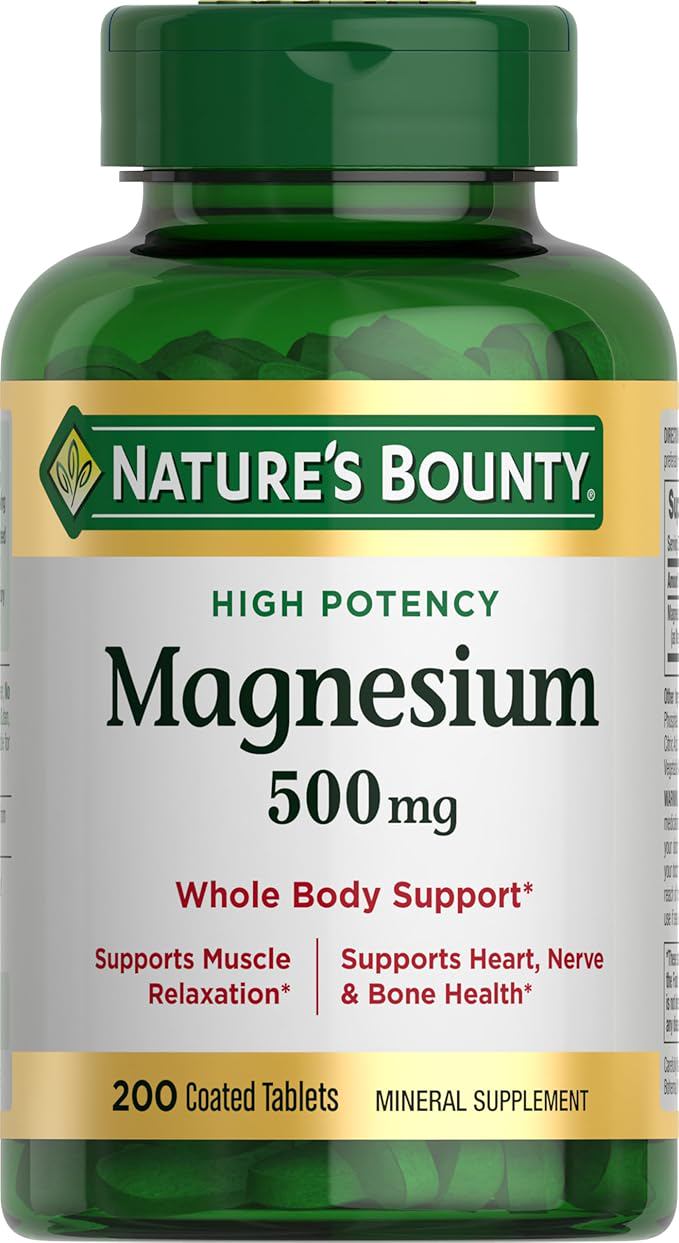
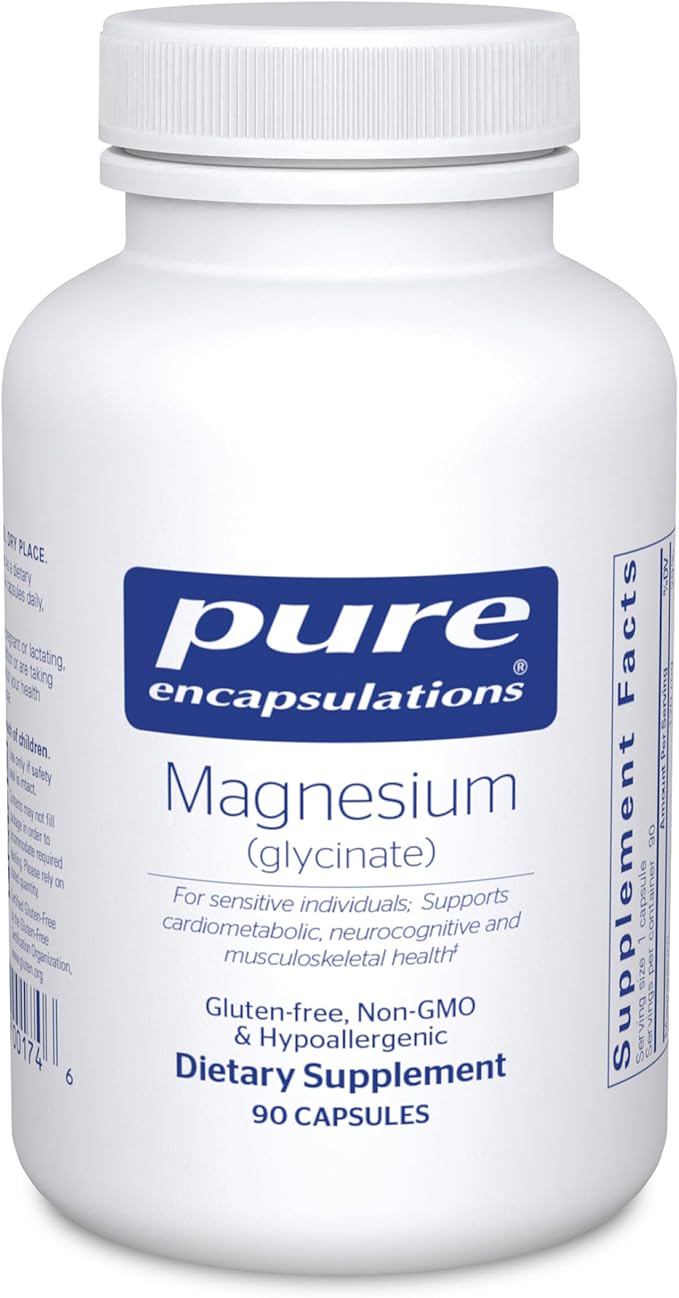
- Targeted supplements like inositol, magnesium, and vitamin D have shown benefit in some studies—but always discuss with a doctor before starting anything.
When to see a specialist
If you have irregular periods plus any of the skin or hair changes mentioned above, seeing an endocrinologist or a reproductive endocrinologist is a good next step. A primary care doctor or gynecologist can also start the initial workup. You don't need to have every symptom on the list to seek answers.
Early recognition is empowering—not scary. Knowing what to look for gives you a head start on managing your health on your own terms.