The first weeks after childbirth are a blur of feedings, diaper changes, and sleepless nights. Amid the chaos, it can be hard to tell if how you’re feeling is a normal part of healing or a sign that something serious is going on. Your body is doing an immense amount of recovery work — your uterus is shrinking back to its pre-pregnancy size, your hormone levels are shifting, and any tears or incisions are knitting together. Learning how to monitor your postpartum recovery with a clear head and a simple system empowers you to catch complications early, before they escalate.
This guide is designed to help you know what to look for, when to call your provider, and what warning signs deserve immediate medical attention. The goal here isn't to scare you — it's to replace worry with informed awareness. You've already done something incredible. Now let's make sure you have the tools to take care of yourself on the other side.
What “Normal” Looks Like in the Fourth Trimester
Healing after birth comes with predictable, manageable symptoms. It’s important to distinguish these from red flags. Normal postpartum experiences include:
- Lochia (postpartum bleeding): This discharge starts heavy and bright red, then gradually lightens to pink, brown, and finally yellowish-white over four to six weeks. Flow should steadily decrease.
- Uterine cramping (afterpains): These feel like strong menstrual cramps, especially during breastfeeding, and are a sign your uterus is contracting down to its pre-pregnancy size.
- Perineal soreness: If you had a vaginal delivery, you may feel stinging, swelling, or bruising around the perineum or episiotomy site, which improves over the first week or so.
- Breast engorgement: When your milk comes in, your breasts may become swollen, warm, and tender. This is temporary and resolves with frequent feeding or pumping.
- Fatigue: Exhaustion is universal. Your body is healing, and you’re getting broken sleep. Expect to feel very tired for several weeks.
How to Monitor Key Warning Signs
Creating a simple daily check-in routine can help you spot changes early without becoming obsessive. Here are the main areas to watch:
Blood loss and postpartum hemorrhage
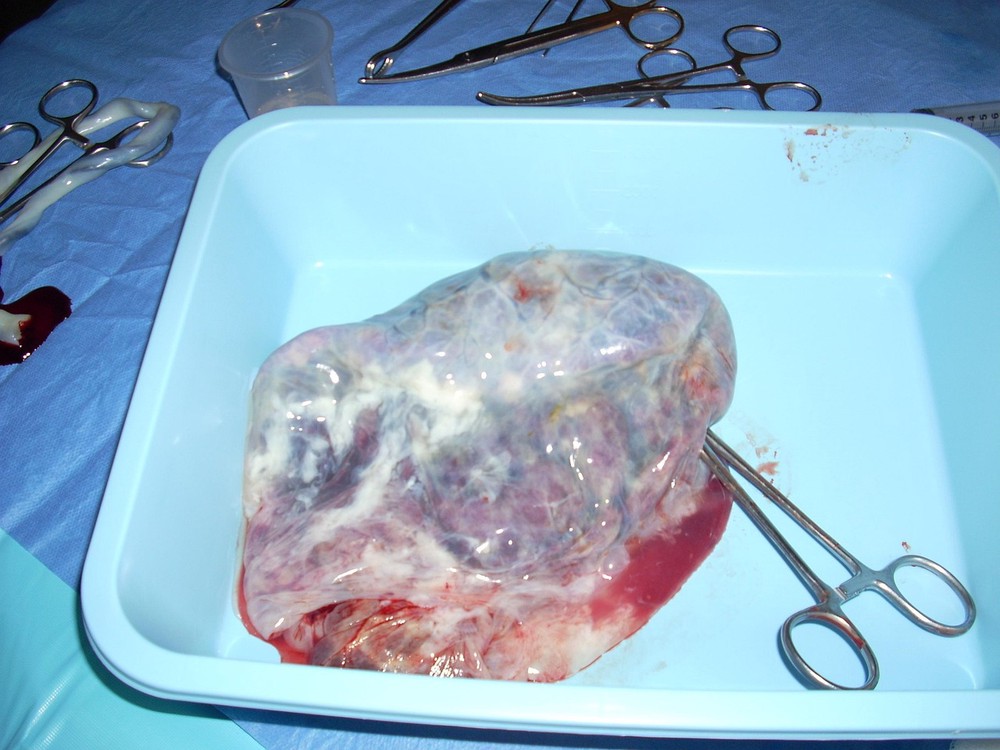
Excessive bleeding is the most dangerous postpartum complication. A good guideline: if you are soaking through one pad per hour for more than two consecutive hours, or passing clots larger than a golf ball, call your provider immediately. At around two to three weeks, if bleeding suddenly turns heavy again (especially if it was tapering), that can signal a retained placental fragment or infection.
Quick tip: Keep a couple of extra heavy-duty pads on hand for reference. If your pad is fully saturated in under an hour, treat that as a warning.
Signs of infection
Infections can occur in the uterus (endometritis), cesarean incision, episiotomy site, or urinary tract. Watch for these four signs:
- Fever of 100.4°F (38°C) or higher
- Foul-smelling discharge or an increase in pain rather than improvement
- Redness, warmth, swelling, or pus around a wound
- Pain or burning with urination
If you have a fever and pain in your lower abdomen that doesn't ease, that's a reason to seek care, even if you feel okay otherwise.
Blood pressure and preeclampsia
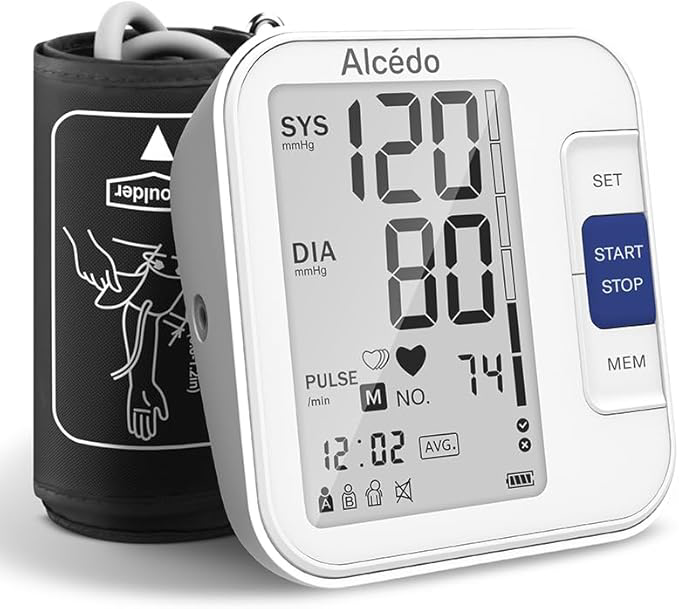
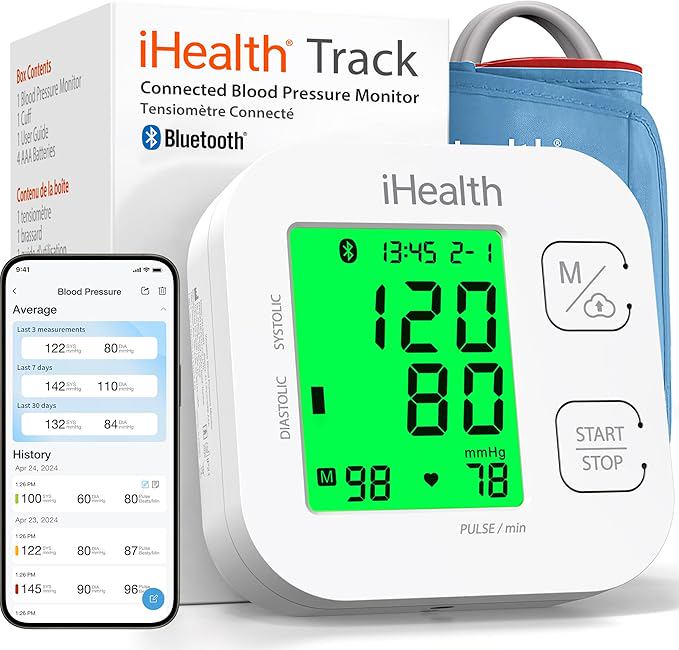
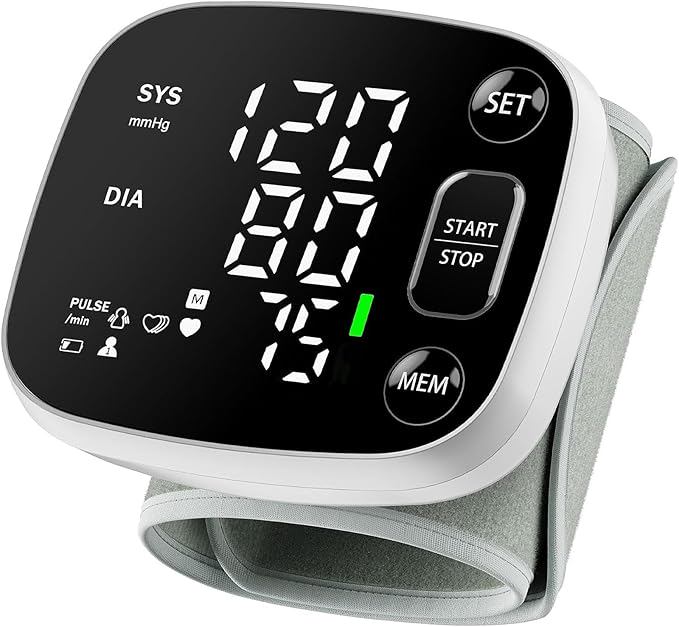
Preeclampsia can emerge for the first time in the postpartum period, even if you had normal blood pressure during pregnancy. Symptoms include a severe headache that doesn't respond to medication, vision changes (blurry spots, flashing lights), shortness of breath, and swelling that gets worse, not better, after delivery. Many providers recommend checking your blood pressure at home for the first week if you had gestational hypertension. If you don't have a cuff, pay close attention to how your head feels and whether you can take a full, easy breath.
Blood clots and pulmonary embolism
Your risk for deep vein thrombosis (DVT) is elevated for about six weeks after birth. Warning signs include persistent calf or thigh pain, swelling in one leg, warmth, or redness. If you experience sudden chest pain, coughing up blood, or difficulty breathing, call 911 — these can be signs of a clot that has traveled to your lungs.
Mental health: Your feelings matter
Postpartum depression and anxiety go beyond the “baby blues,” which typically peak around days three to five and resolve within two weeks. If you find yourself feeling hopeless, overwhelmed, or unable to feel pleasure, or if you have intrusive thoughts about harming yourself or your baby, please reach out for help immediately. The National Maternal Mental Health Hotline (1-833-943-5746) is free, confidential, and available 24/7. You don't have to wait for your six-week checkup to ask for support.
When to call your provider
Health systems vary, but most have a nurse triage line. It's always better to call than to wonder. Specific reasons to pick up the phone include:
- Soaking through more than one pad an hour or passing large clots
- Fever or chills
- Foul-smelling discharge
- Pain that gets worse instead of better
- Severe headache or vision changes
- Pain, redness, or swelling in one leg
- Shortness of breath or chest pain
- Overwhelming sadness, panic, or thoughts of harming yourself
If you have chest pain, trouble breathing, seizures, or heavy bleeding that is soaking through a pad every 15 minutes, go to the emergency room or call 911. These are emergencies, not things to wait out.
Simple tools to make monitoring easier
You don't need a complicated app to stay on top of recovery. A small notebook or a notes app on your phone can help. Jot down once a day: how many pads you're using and whether the flow is lighter or heavier, your temperature if anything feels off, and a 1-to-10 rating of any pain. This tiny habit makes it much easier to answer your provider's questions with confidence. If you track nothing else, pay attention to changes in blood loss and pain patterns — those two signals catch most problems early.
Healing isn't linear. Some days you'll feel stronger, and other days you'll feel like you're moving backward. That's part of the process. But by knowing what to look for and giving yourself permission to speak up when something feels wrong, you are taking one of the most important steps in protecting your long-term health. You deserve to recover well.