
Hearing that you or a loved one has a heart murmur can feel unsettling, but it's important to know that many murmurs are harmless—what doctors call "innocent" murmurs. However, staying informed and knowing how to track changes at home can help you partner more effectively with your healthcare team. The goal is not to diagnose or treat yourself, but to notice meaningful shifts in how you feel and communicate them clearly.
Monitoring a heart murmur at home involves paying close attention to your body's signals, keeping a consistent log of symptoms, and understanding when a change warrants a call to your doctor. Here is a grounded, expert-informed approach to doing that safely and effectively.
What symptoms should you actually track?
Not every sensation in your chest or a moment of fatigue is directly related to your murmur. Focus on these specific symptoms that cardiologists consider most relevant:
- Shortness of breath during routine activity — Are you getting winded climbing one flight of stairs or carrying groceries when you previously were not? This is often one of the earliest indicators that a murmur may be affecting your heart's ability to pump efficiently.
- Unexplained fatigue — Feeling wiped out after a normal day, or needing to nap more often than usual, can be a subtle sign that your heart is working harder.
- Swelling in your feet, ankles, or legs — Fluid retention, also called edema, is a common sign that blood isn't circulating as well as it should. Check your lower legs in the evening; press a finger gently into the skin—if an indentation remains for a few seconds, note it.
- Heart palpitations or an irregular pulse — A fluttering sensation in your chest, a feeling that your heart is racing or skipping beats, should be recorded. You can check your pulse at your wrist for 30 seconds to note if it feels steady or erratic.
- Dizziness or lightheadedness — Particularly when standing up quickly or during physical effort, this can suggest reduced blood flow.
- Chest discomfort or pressure — This is not always sharp pain; it can feel like a dull ache, tightness, or a sense of fullness that comes and goes, especially during exertion.
How to keep a symptom diary that your doctor will actually use
A jumbled list of random complaints is less helpful than a structured log. Use a simple notebook, a notes app, or a dedicated health tracker—whatever is easiest for you to maintain daily.
For each symptom event, record:
- Date and time — Was it morning, after a meal, during exercise?
- What you were doing — Walking, resting, lifting something heavy, feeling stressed?
- How long it lasted — A few seconds, several minutes, or ongoing?
- What made it feel better or worse — Sitting down, drinking water, deep breathing?
- Severity (1–10 scale) — Where 1 is barely noticeable and 10 is the worst you can imagine, be honest about the intensity.
Quick tip: Bring your log to every appointment. Doctors spend limited time per visit; having concise data helps them spot trends that a verbal description might miss.
When to take action: the yellow flags vs. red flags
Part of effective monitoring is knowing the difference between something that can wait for your next checkup and something that needs immediate attention.
Yellow flags (schedule a non-urgent appointment)
- Mild, occasional shortness of breath that does not worsen over a week
- Mild fatigue that comes and goes
- Minor ankle swelling at the end of the day that resolves overnight
Red flags (call your doctor or seek care today)
- Sudden onset of severe shortness of breath, especially while lying flat
- Chest pain, pressure, or tightness that does not go away with rest
- Fainting or nearly fainting
- Rapid, unexplained weight gain (2–3 pounds in a day or 5 pounds in a week), which can signal fluid buildup
- A heartbeat that feels extremely fast, chaotic, or stops and starts repeatedly
If you experience any red flag symptoms, do not wait for your next scheduled appointment. Call your primary care provider or cardiologist's office. If it feels like an emergency—severe chest pain or difficulty breathing—call 911.
Can you check your own heart rate and blood pressure usefully?
Yes, but only if you do it correctly. Random spot checks often cause unnecessary worry. Follow these guidelines:
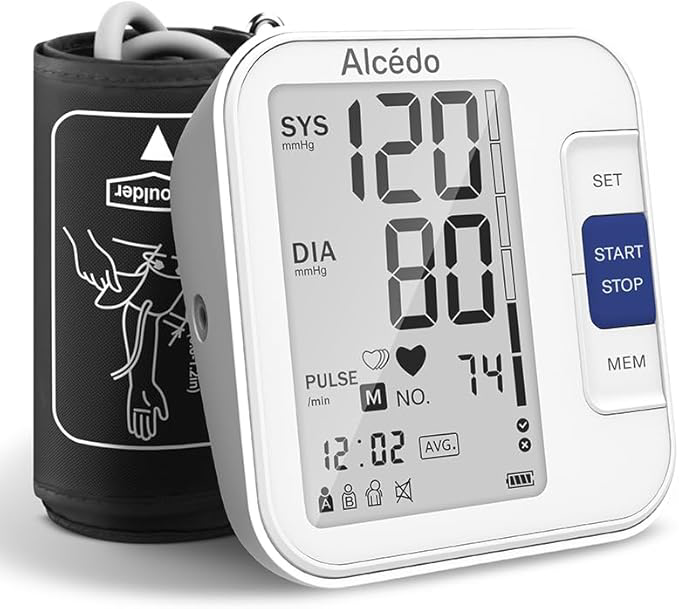
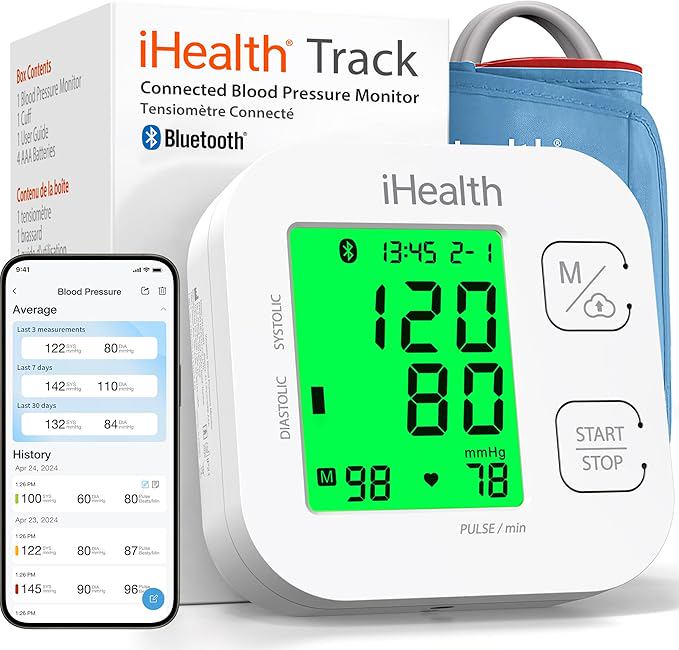
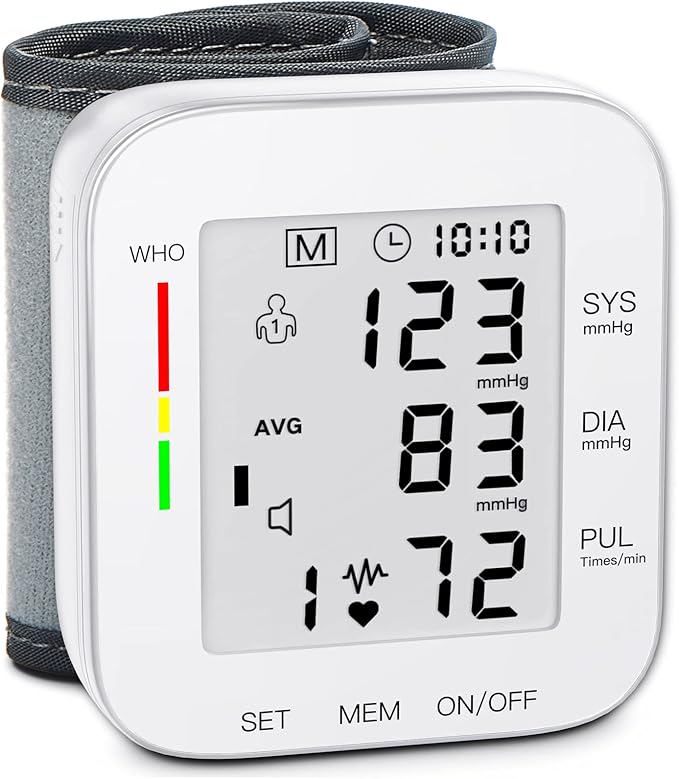
Home blood pressure monitoring: Sit quietly for five minutes before taking a reading. Use a validated upper-arm cuff—wrist monitors are less reliable. Take two to three readings one minute apart and record the average. Measure at the same time each day, such as in the morning before medication or in the evening before bed.
Pulse check: Place your index and middle fingers on the thumb side of your opposite wrist, below the base of the thumb. Count the beats for 30 seconds and multiply by two. A normal resting heart rate for adults ranges from 60 to 100 beats per minute, though well-conditioned individuals may be lower. More important than the number is the rhythm—a steady, even beat is reassuring; an irregularly irregular pattern is worth mentioning to your doctor.
Lifestyle habits that support heart health while monitoring
While you are keeping an eye on symptoms, the basics of heart-healthy living still apply—and can sometimes help reduce symptom severity over time.
- Stay hydrated, but be mindful of salt. Dehydration can stress your heart, but excess sodium can cause fluid retention. Aim for balanced meals with plenty of vegetables, lean proteins, and whole grains.
- Move your body gently. Unless your doctor has advised bed rest or restrictions, walking, stretching, and light aerobic activity are beneficial. Note how your symptoms respond to exercise and include those observations in your diary.
- Prioritize sleep. Poor sleep quality can worsen fatigue and increase the perception of palpitations. Aim for seven to nine hours per night.
- Reduce caffeine and alcohol if you notice triggers. Both can stimulate the heart and may amplify palpitations or jitteriness. Experiment with cutting back for a week and see if you feel steadier.
What your monitoring can and cannot accomplish
Being vigilant at home empowers you to catch changes early, but it has limits. Your symptom diary, blood pressure log, and pulse checks are supplementary tools—they do not replace regular checkups, echocardiograms, or other tests your cardiologist may order. A murmur's severity is ultimately determined by imaging that shows how well your heart valves are functioning.
The real value of home monitoring is the ability to give your doctor a concrete picture of how your daily life is being affected. That information is gold in clinical decision-making. It also gives you a sense of agency and calm, knowing you are paying attention without being consumed by worry.